
 Trane
Trane AC repair
 Furnace & heating
 Heat pumps
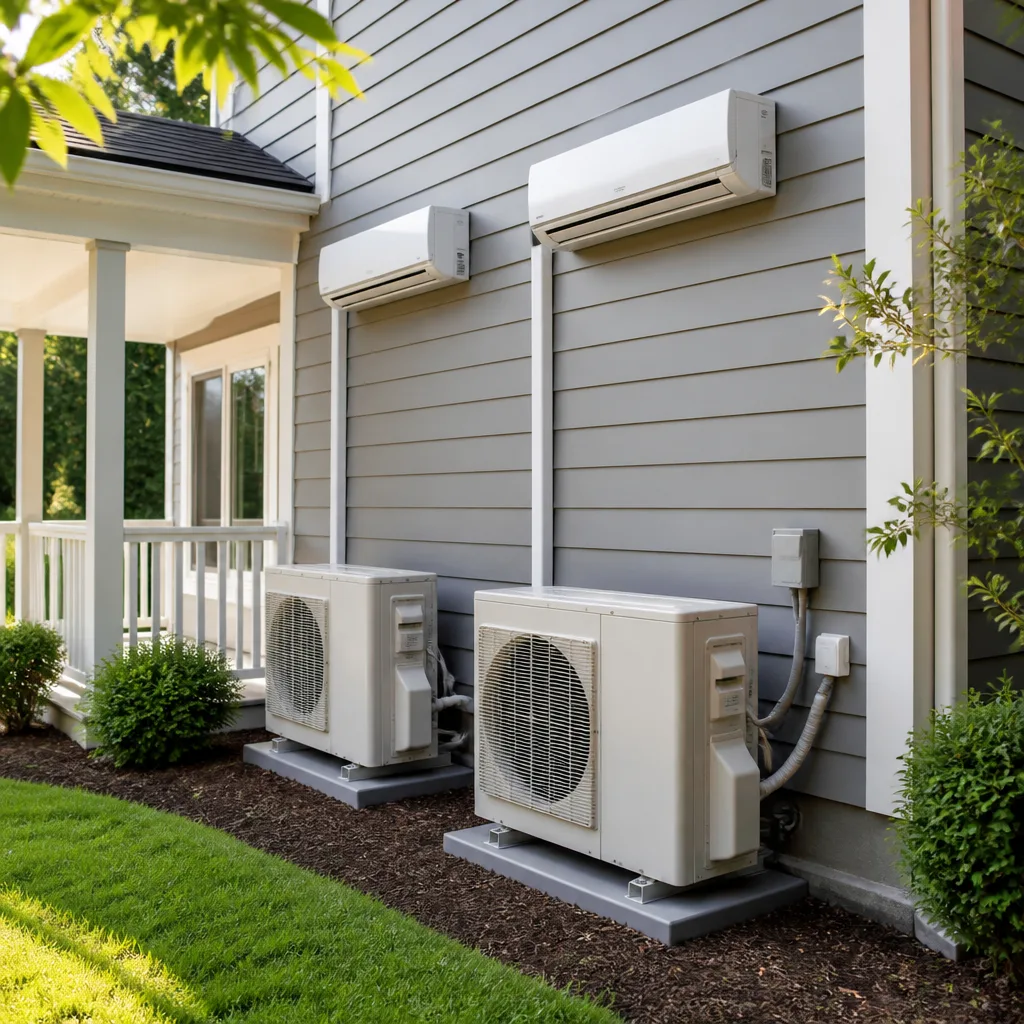 Ductless mini splits
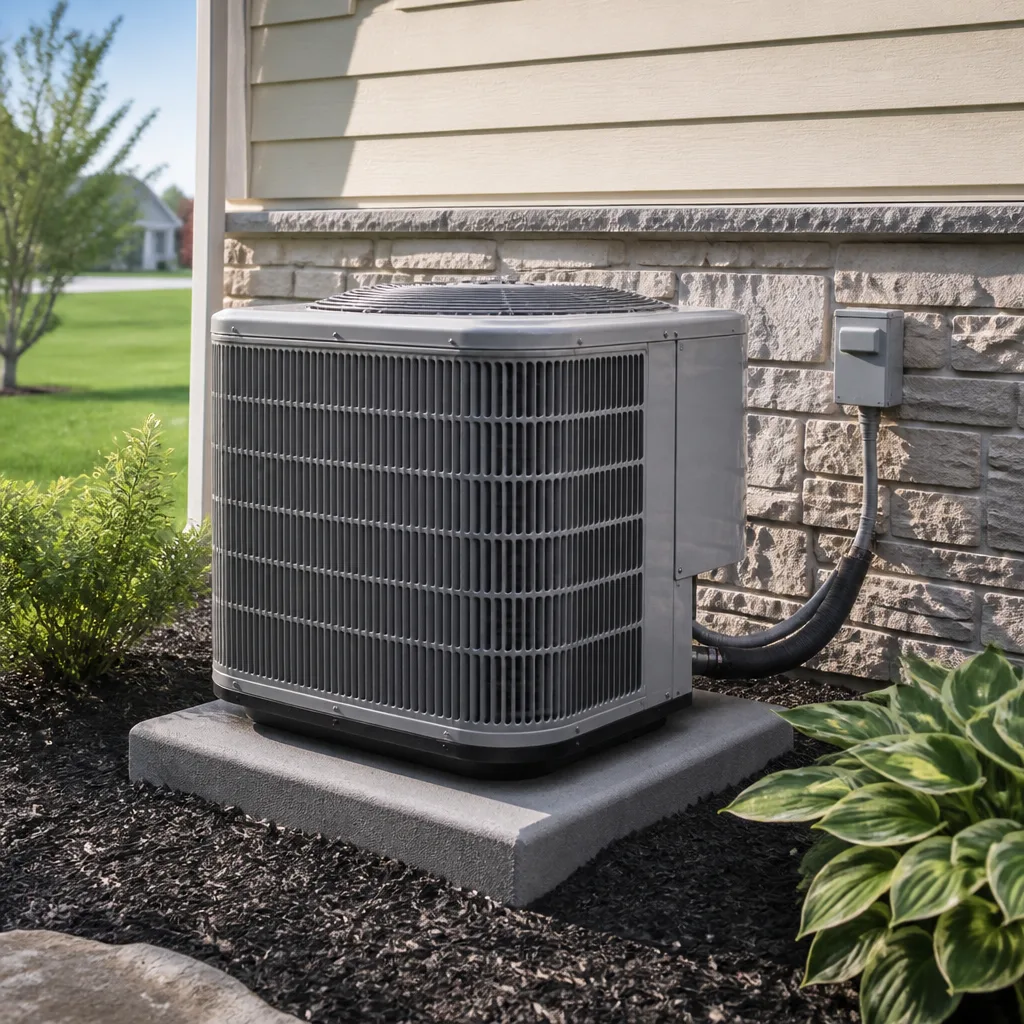 Carrier
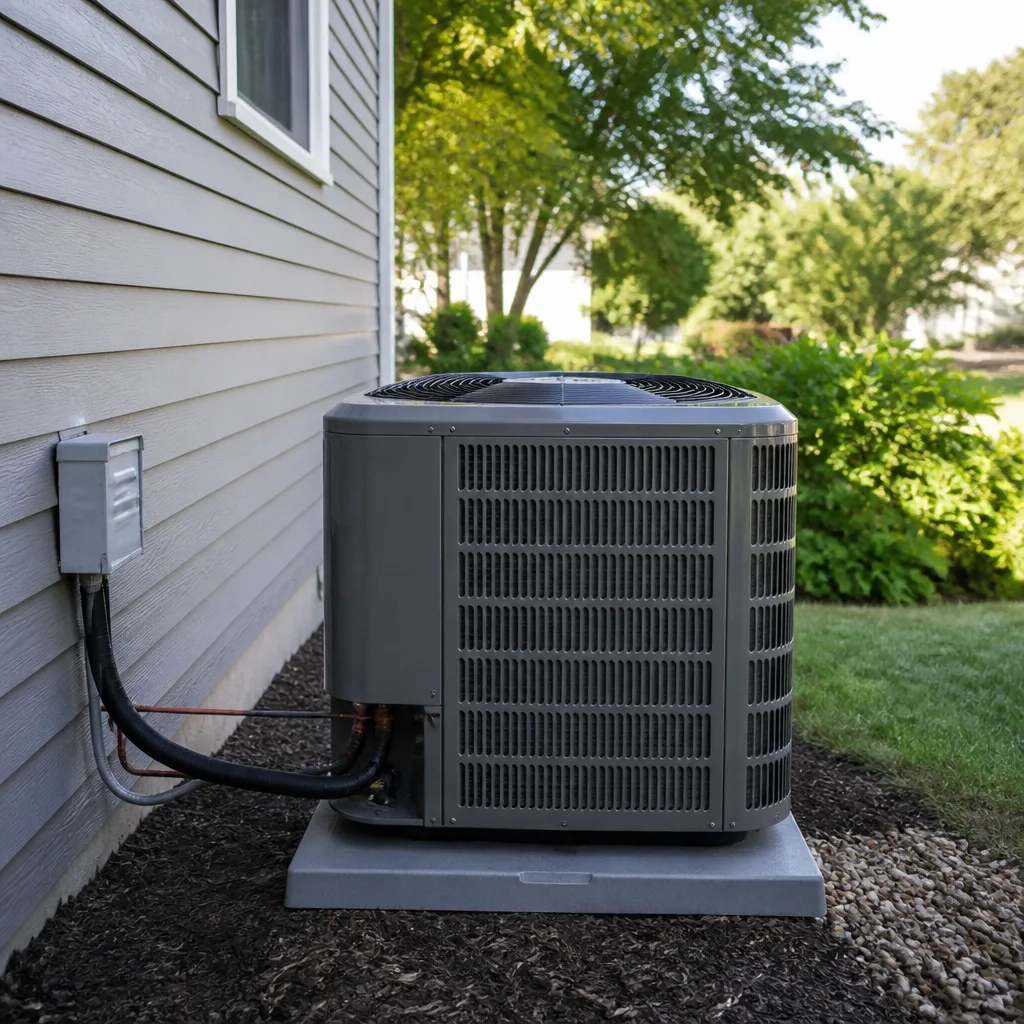 Goodman
Seasonal tune-up and full diagnostic on your Carrier, Trane, or Goodman system - readings shown to you before any repair is proposed
Diagnosis first, numbers second - you approve the repair price before a single part goes in.
Get your free estimateTrane Capacitor Replacement: The Ventura Owner’s Guide
A Trane capacitor replacement in Ventura typically runs $150 – $320 installed, including the part, labor, and a written guarantee on the work. We stock Trane-compatible capacitors on our trucks, so most jobs are done same-day, often in under an hour from doorbell to handshake. Most homeowners discover the failure when their outdoor unit hums but won’t start, or the fan spins slowly on a hot afternoon and the house never quite cools down.
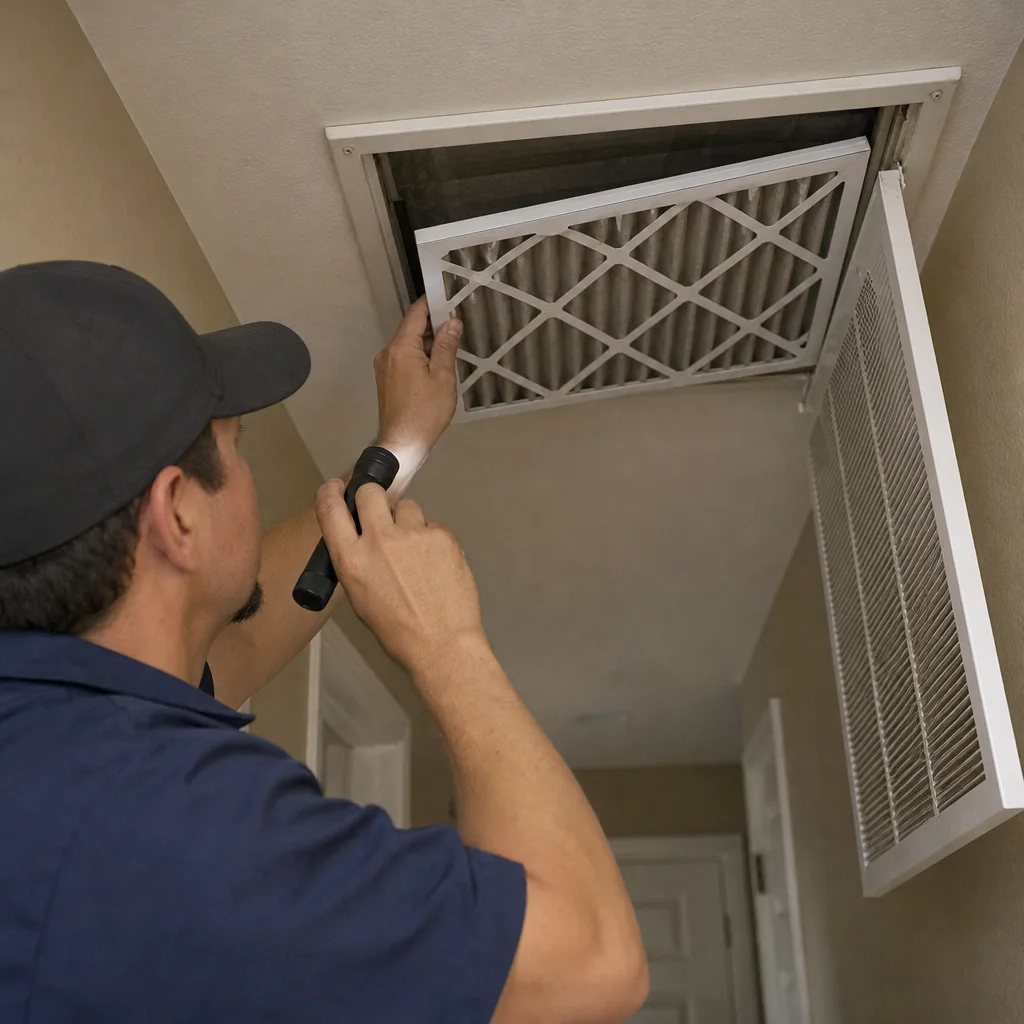
Here’s the thing about capacitors: they don’t usually fail all at once. They degrade. A Trane unit that ran fine last September might struggle in July because the capacitor has been quietly losing its ability to hold a charge through the winter and spring. Along the Ventura coast, that marine layer keeps things damp and cool until June, then the heat hits and suddenly the system can’t keep up. The capacitor is often the culprit.
Which Trane Models This Applies To
If you have a Trane central air conditioner or heat pump built in the last twenty years, there’s a very good chance it uses one of three capacitor configurations. Single-stage Trane XR and XL series units (model numbers starting with 4TTR, 4TTX, or 4TWR) typically use a dual-run capacitor rated at 35/5, 40/5, or 45/5 microfarads. Variable-speed Trane XV and higher-end XL20i units use different, often larger capacitors, and some have separate start capacitors that require a specific relay.
The compatibility gotcha most people miss: the microfarad rating on your old capacitor is the number that matters, not the brand name stamped on the side. A 40/5 dual capacitor from Trane and a quality aftermarket equivalent from AmRad or Titan will both do the job, as long as the voltage rating meets or exceeds spec (usually 370 or 440 VAC). We prefer 440-volt rated capacitors even on 370-volt systems because the higher rating lasts longer in real-world heat. That’s a checkable difference: look at your current capacitor and see if it says 370 or 440. If it says 370, upgrading to 440-rated is a no-brainer that costs a few dollars more and buys you an extra season or two.
Brandt HVAC Co Ventura is an independent service provider, not affiliated with Trane. We stock OEM Trane capacitors and quality aftermarket equivalents, and we’ll show you the part before we install it.
Styles & brands we work with
Signs Your Trane Capacitor Replacement Is Failing
- The outdoor unit hums but the fan doesn’t spin. That hum is the compressor trying to start without enough stored energy. The capacitor’s job is to provide that starting jolt, and when it’s dead, the motor just sits there vibrating. This is the single most common capacitor failure symptom we see in Ventura.
- The fan spins slowly, or only starts when you nudge it with a stick. A weak capacitor can still deliver some charge, just not enough to get the fan motor moving from a standstill. If you find yourself poking the fan blades every spring, the capacitor is done.
- The condenser unit cycles on and off every few minutes. When the capacitor can’t maintain the charge, the compressor starts, strains, overheats, and shuts off on thermal protection. Then it cools down and tries again. This on-off cycling is hard on the compressor and the strain shows up on your electric bill.
- You hear a clicking sound from the outdoor unit. That click is the relay trying to engage, but the capacitor isn’t storing enough energy to respond. A healthy capacitor should kick on immediately, no clicking, no hesitation.
- The system runs but cools poorly on hot days. A capacitor that’s partially failed may let the compressor run at reduced capacity, which means the refrigerant isn’t moving as efficiently as it should. You’ll notice the house struggles to hold temperature when it’s over 85 degrees.
Key takeaways: Most Trane capacitor failures show up as starting problems, not running problems. If your unit is running but not cooling well, it’s probably not the capacitor. If it won’t start, hums, or clicks, it probably is.
See the difference
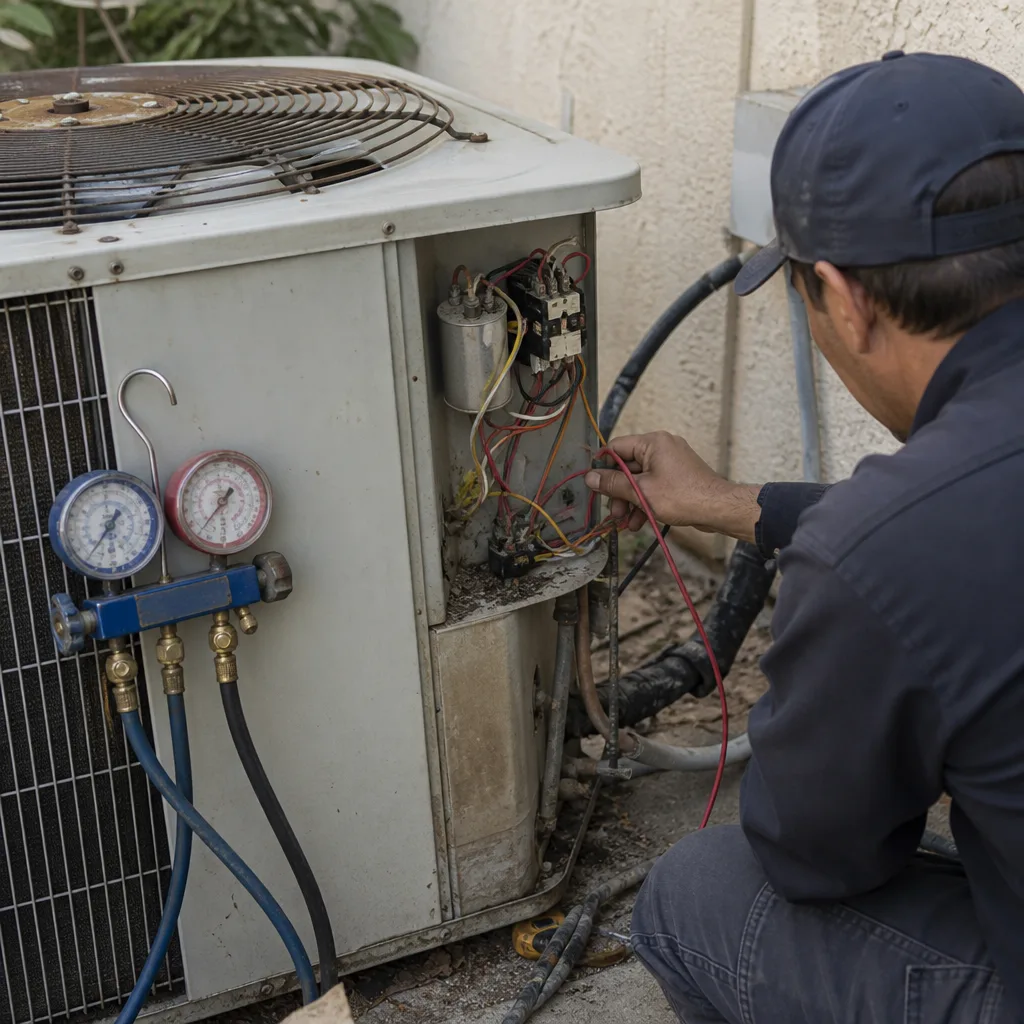 Before
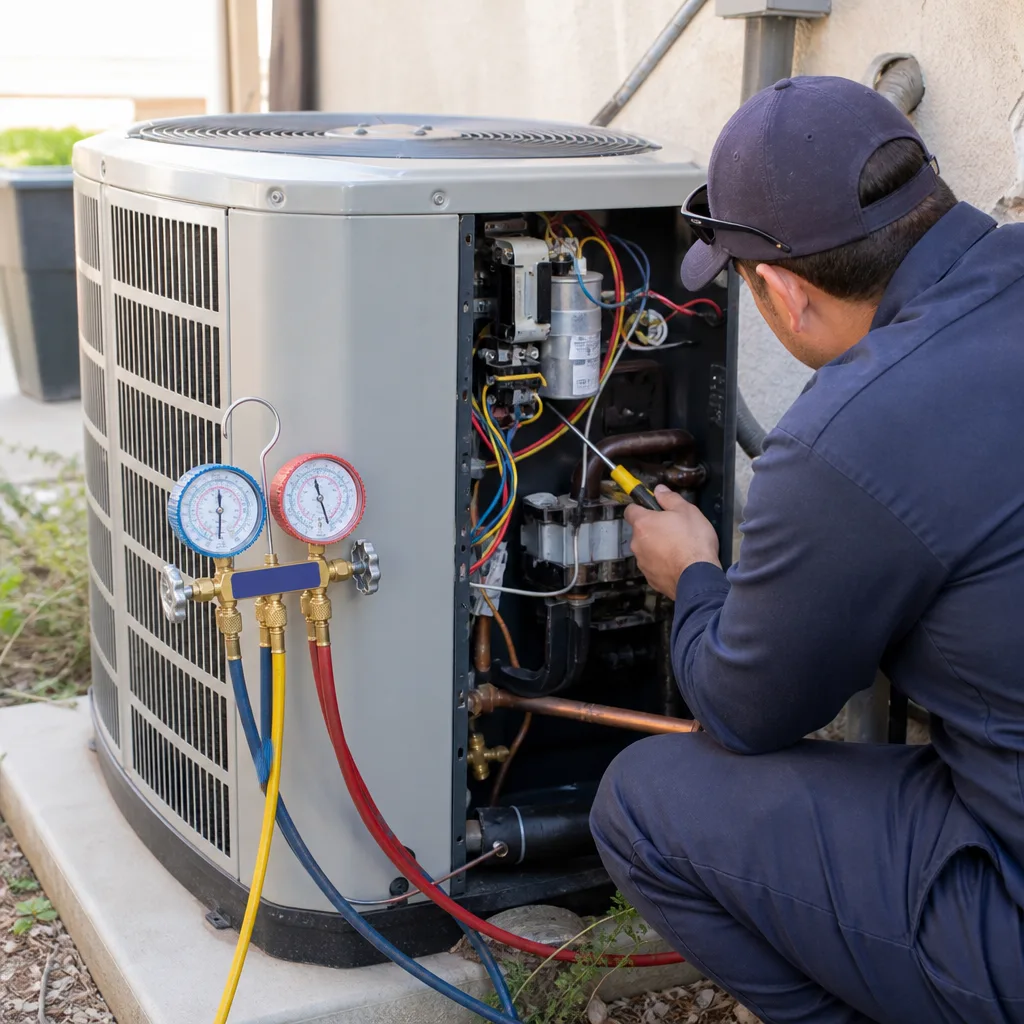 After
After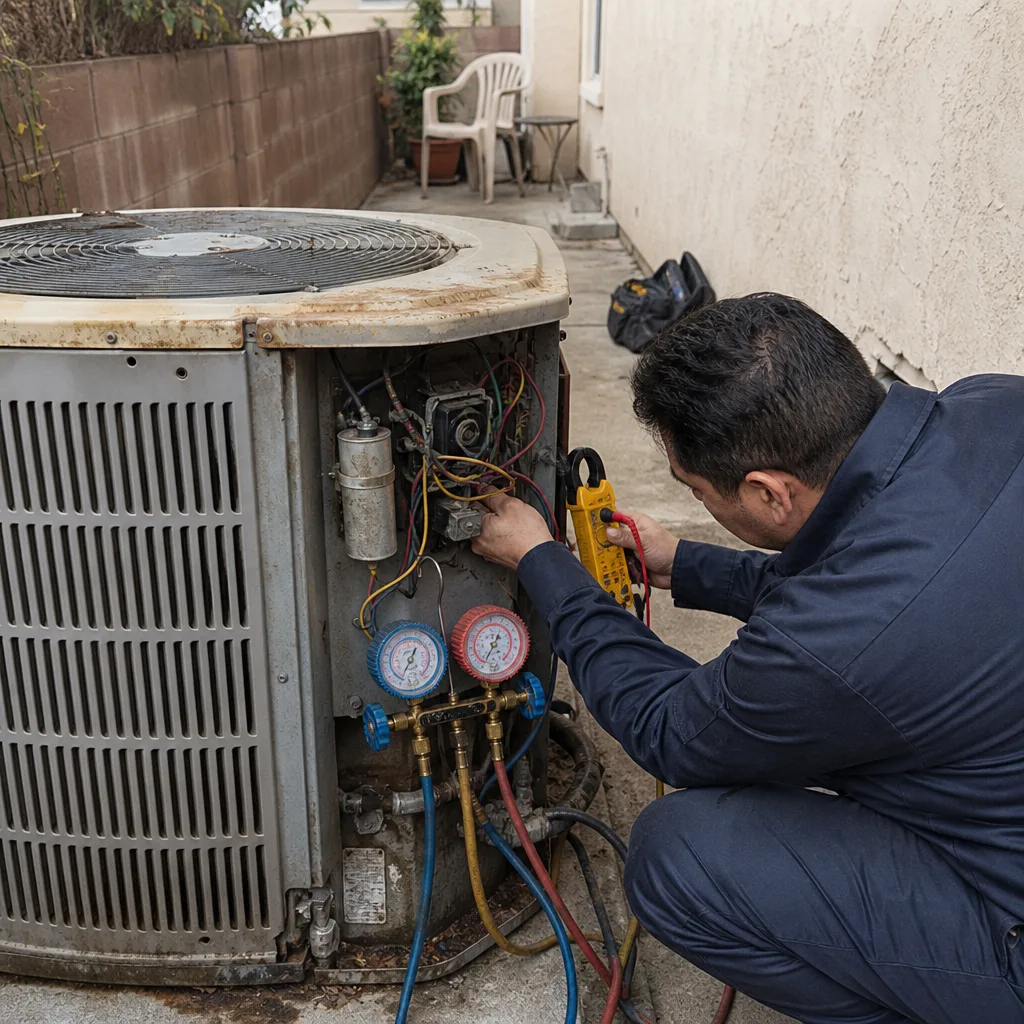 Before
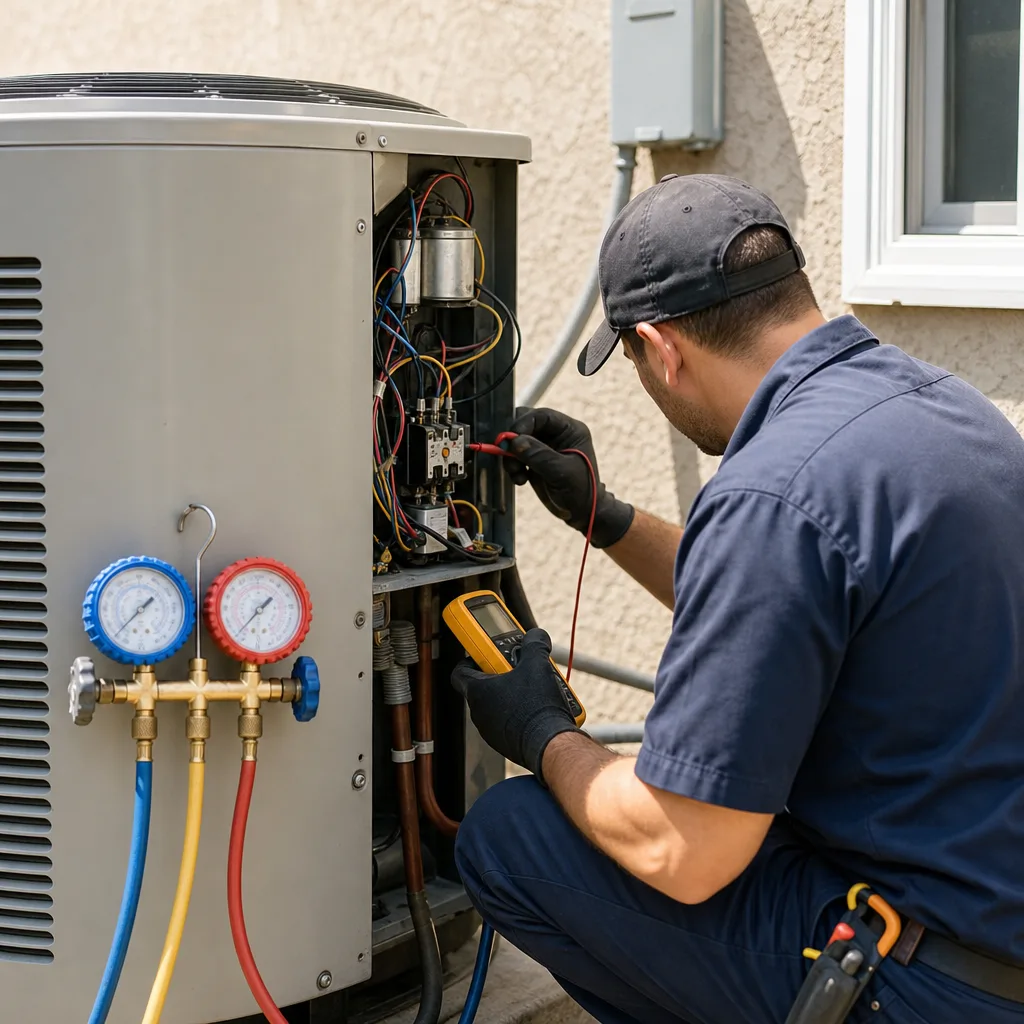 After
After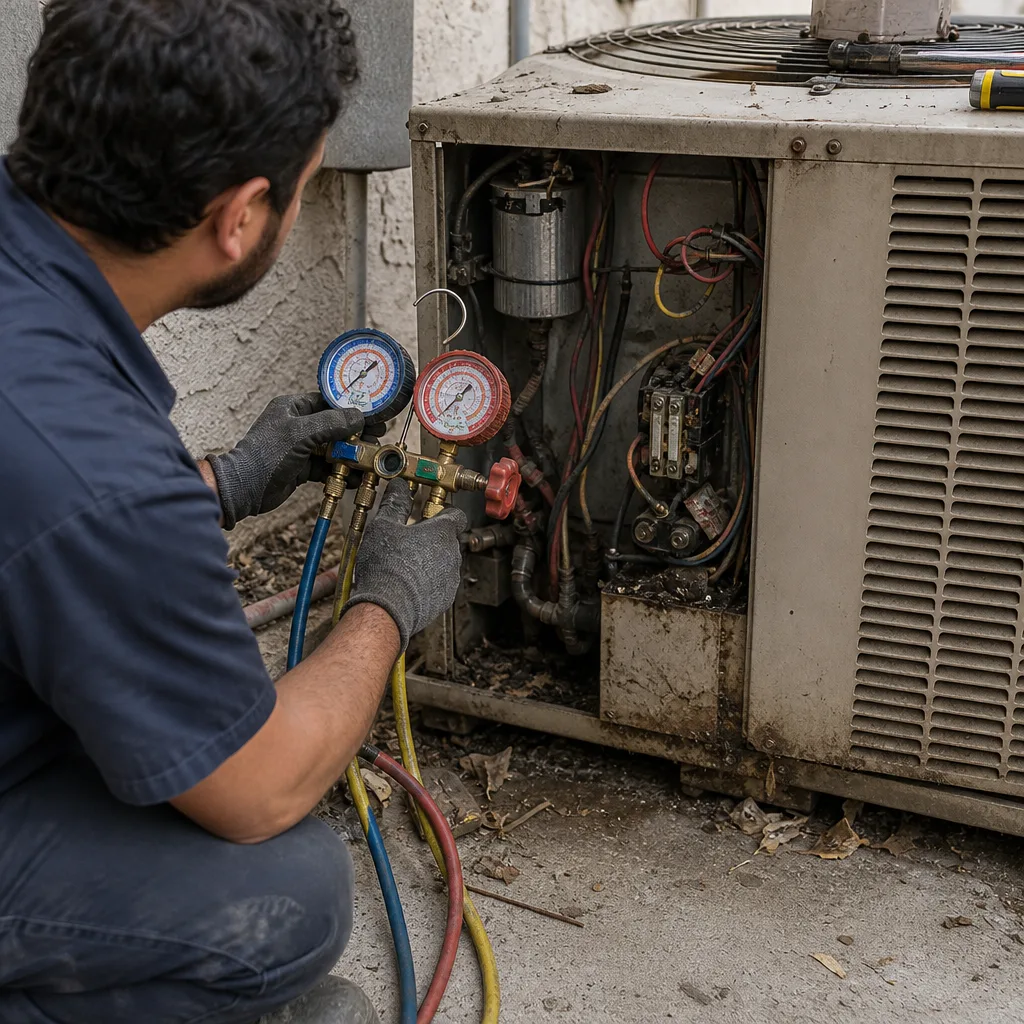 Before
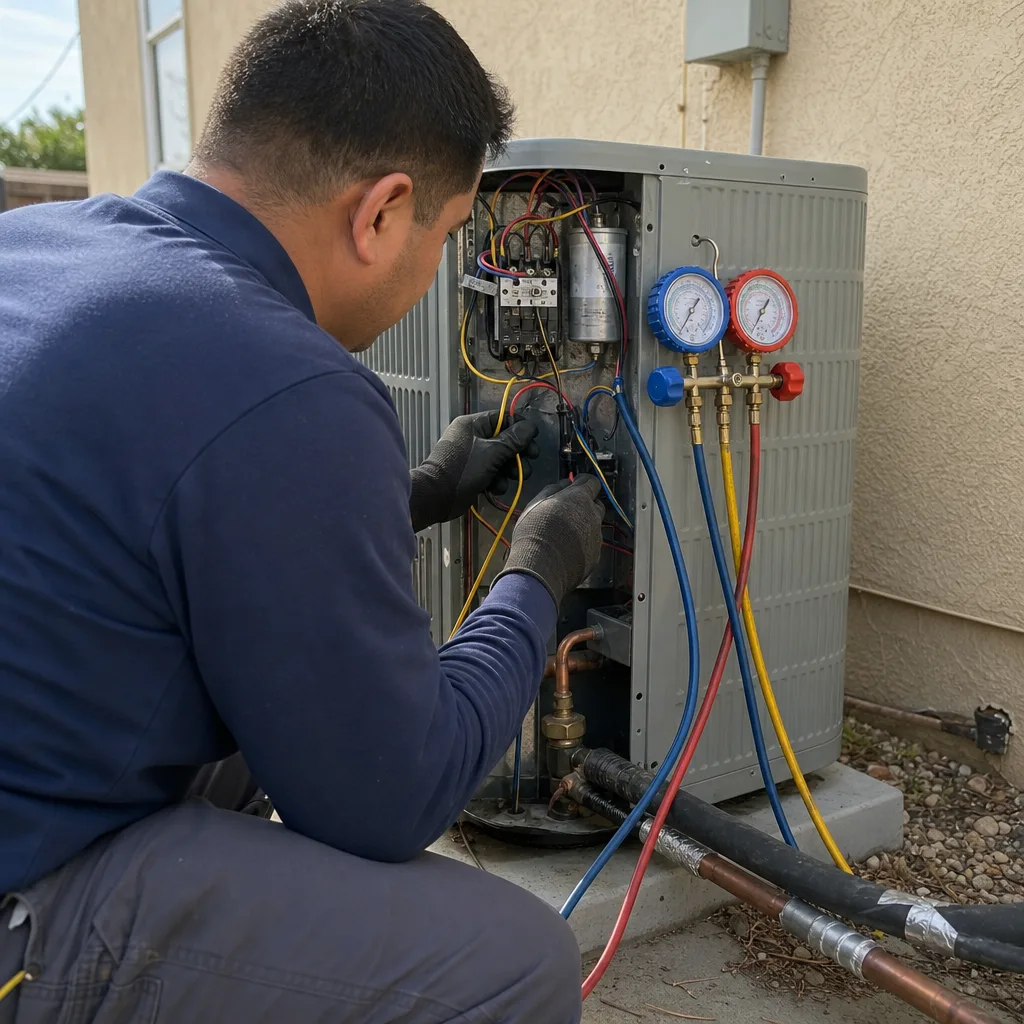 After
AfterReplacement Cost & What’s Included
Installed Trane capacitor replacement in Ventura runs $150 – $320, parts and labor included. Here’s what drives the range:
- Single-run capacitor replacement on a basic Trane XR unit: $150 – $220
- Dual-run capacitor replacement on most Trane residential systems: $180 – $280
- Capacitor plus hard-start kit on older units that need extra starting assistance: $250 – $320
The part itself runs $15 – $70 depending on whether it’s a basic single-run, a dual-run, or a heavy-duty 440-volt unit. The rest is labor and the guarantee. We give you a written price before any work starts, no exceptions. And if the capacitor we install fails within 365 days, we come back and replace it at no charge, period. That’s the 365-Day Done Right Promise, and it applies to this repair.
DIY or Call Us?
First, the honest warning: a capacitor stores electricity even when the power is off. A charged capacitor can deliver a serious shock, and cracking one open to see what’s inside is a genuinely bad idea. We’ve seen homeowners try this repair on YouTube confidence and end up with a fried control board or worse. This is one of those parts where the savings from DIY don’t justify the risk.
That said, there are two things you can safely do before calling us. One: look at the capacitor through the side panel of your outdoor unit and read the microfarad rating. That helps us come prepared with the right part. Two: confirm the unit has power and the breakers aren’t tripped. If the breakers are fine and the unit still won’t start, the capacitor is the likely culprit. Call (831) 539-0291 and we’ll send a technician who carries these on the truck. Devin Marlowe has been working on Trane systems across Ventura County for the better part of two decades, and he’ll tell you what it is, tell you what it costs, and stand behind the work.
FAQs
A Trane capacitor typically lasts five to ten years, but in Ventura’s coastal climate the combination of salt air, humidity, and summer heat tends to shorten that to the lower end, especially for systems near the water that cycle frequently. Capacitors degrade faster when they sit unused, so a unit that runs year-round often outlasts one that sits idle all winter.
No, you can’t repair a capacitor; once the internal dielectric breaks down, the only fix is replacement. Anyone offering to repair one is either confused or not being honest with you. Replacement is the repair, and it’s a quick one. Call (831) 539-0291 for an exact quote, estimates are free.
A capacitor replacement on a Trane system usually takes 30 to 60 minutes from the time we arrive, including testing the new part under load and checking the contactor and wiring while we’re in there. Most jobs are done same-day because we stock Trane-compatible capacitors on every truck.
We stock Trane-compatible capacitor replacements on our trucks, including dual-run units in the most common Trane microfarad ratings and 440-volt heavy-duty options. We also carry parts for Carrier and Lennox systems. If you have an unusual variable-speed Trane configuration, we can usually source the part same-day from local supply houses in Ventura.
If your Trane unit is humming, clicking, or just won’t start, don’t keep resetting the breakers and hoping. Call Brandt HVAC Co Ventura at (831) 539-0291. We answer the phone with a live person, we’ll give you a written price before we touch anything, and we’ll send a background-checked technician whose name and photo you’ll receive before they arrive. Tell you what it is, tell you what it costs, and stand behind the work.
Written by Devin Marlowe, Owner, Brandt HVAC Co Ventura at Brandt HVAC Co Ventura, serving Ventura and nearby areas.