
Last updated October 16, 2026
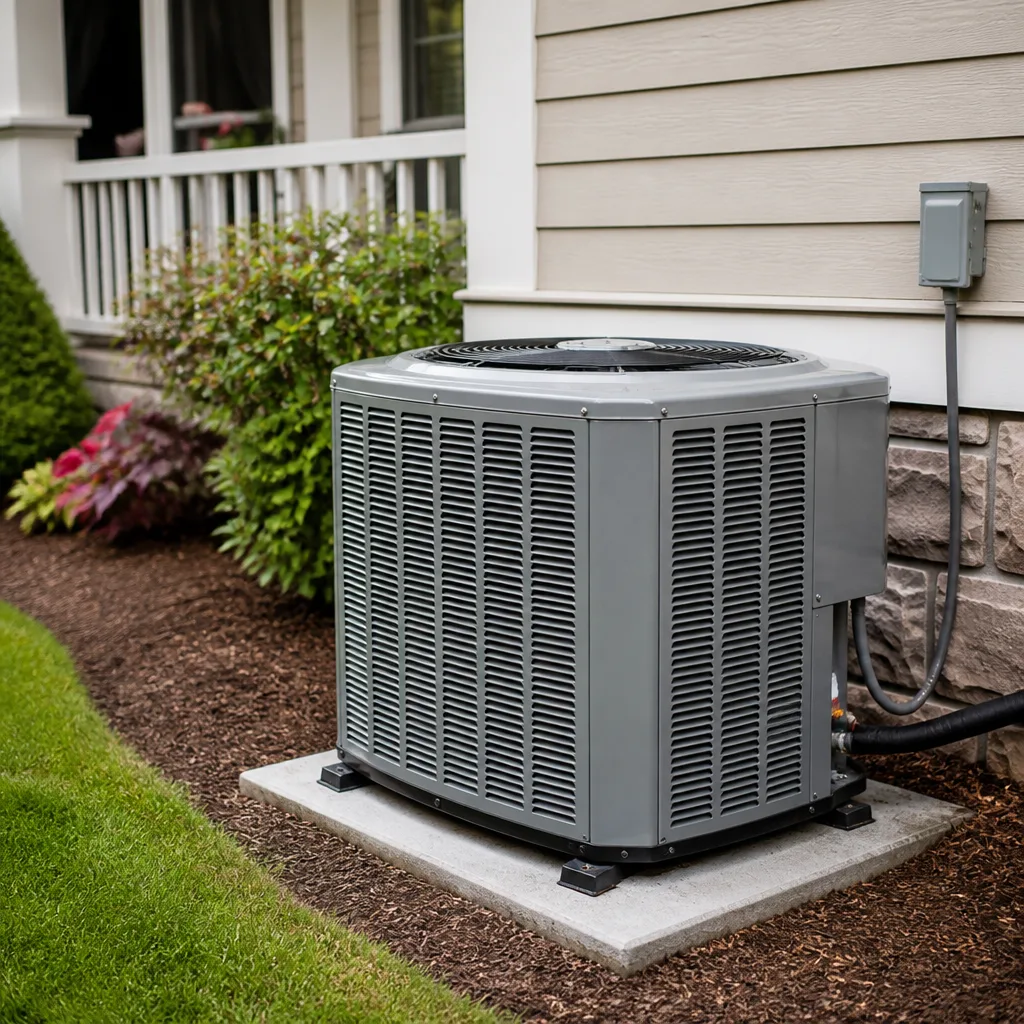 AC repair
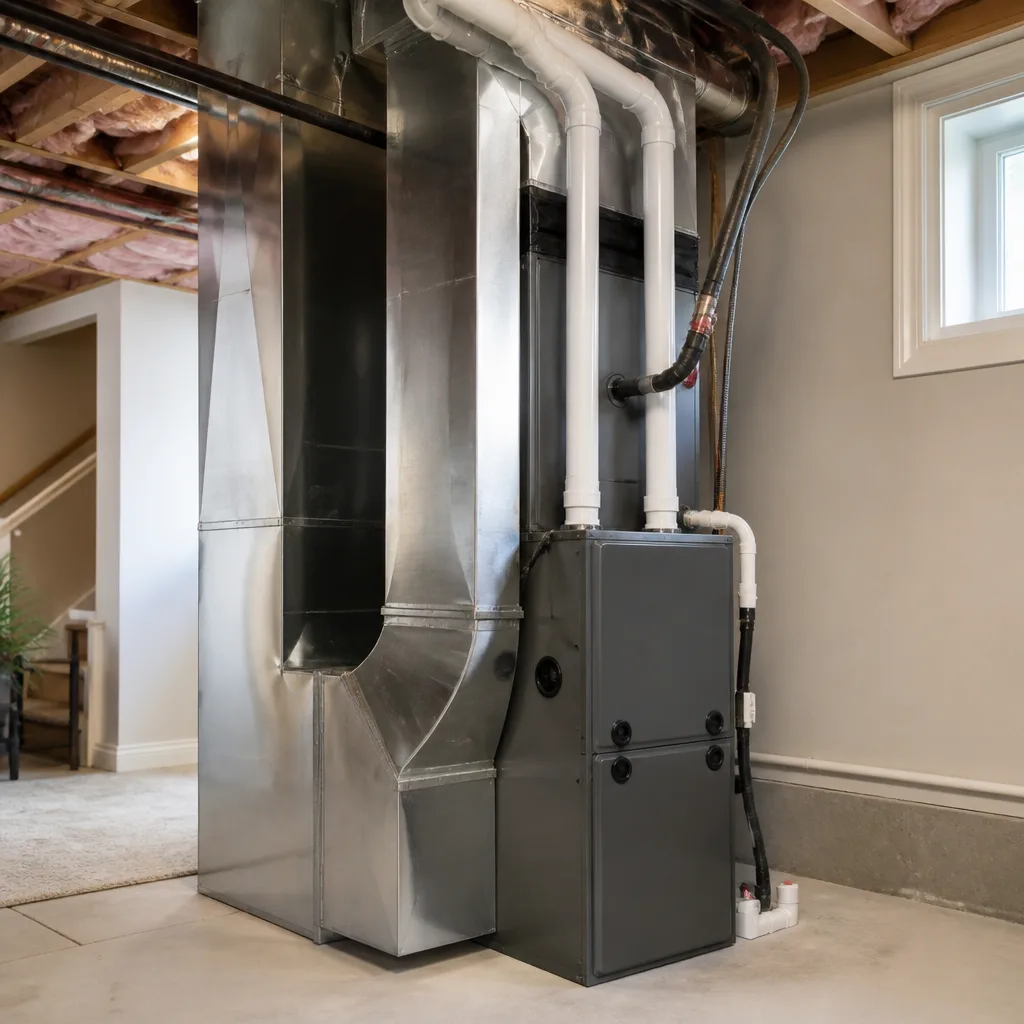 Furnace & heating
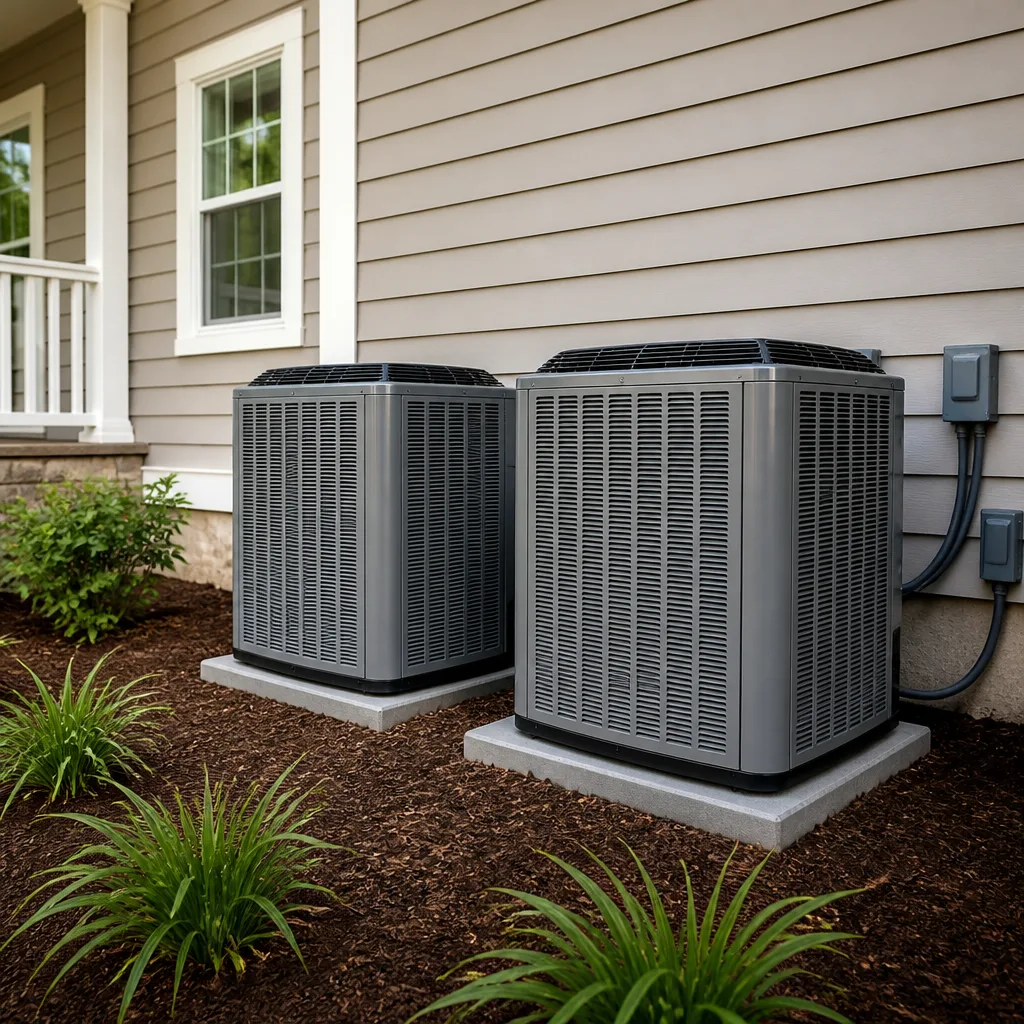 Heat pumps
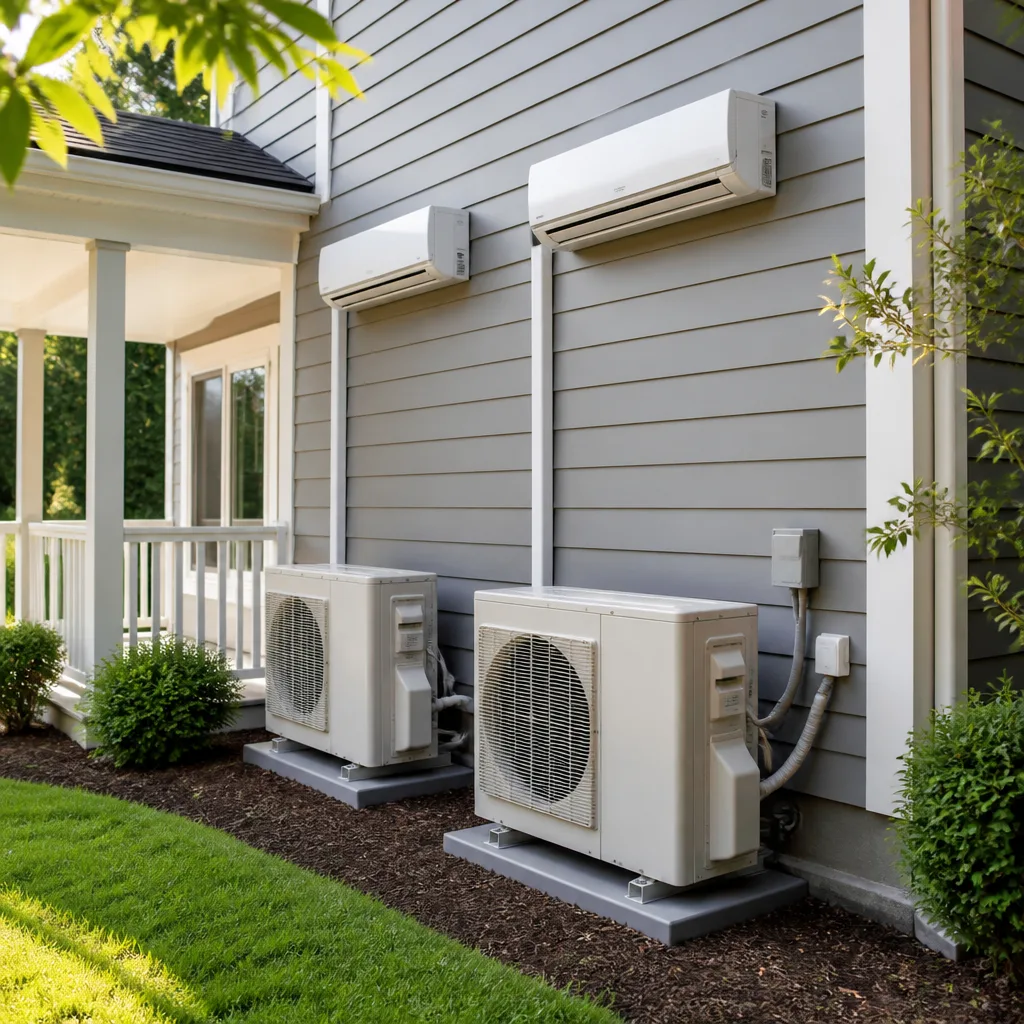 Ductless mini splits
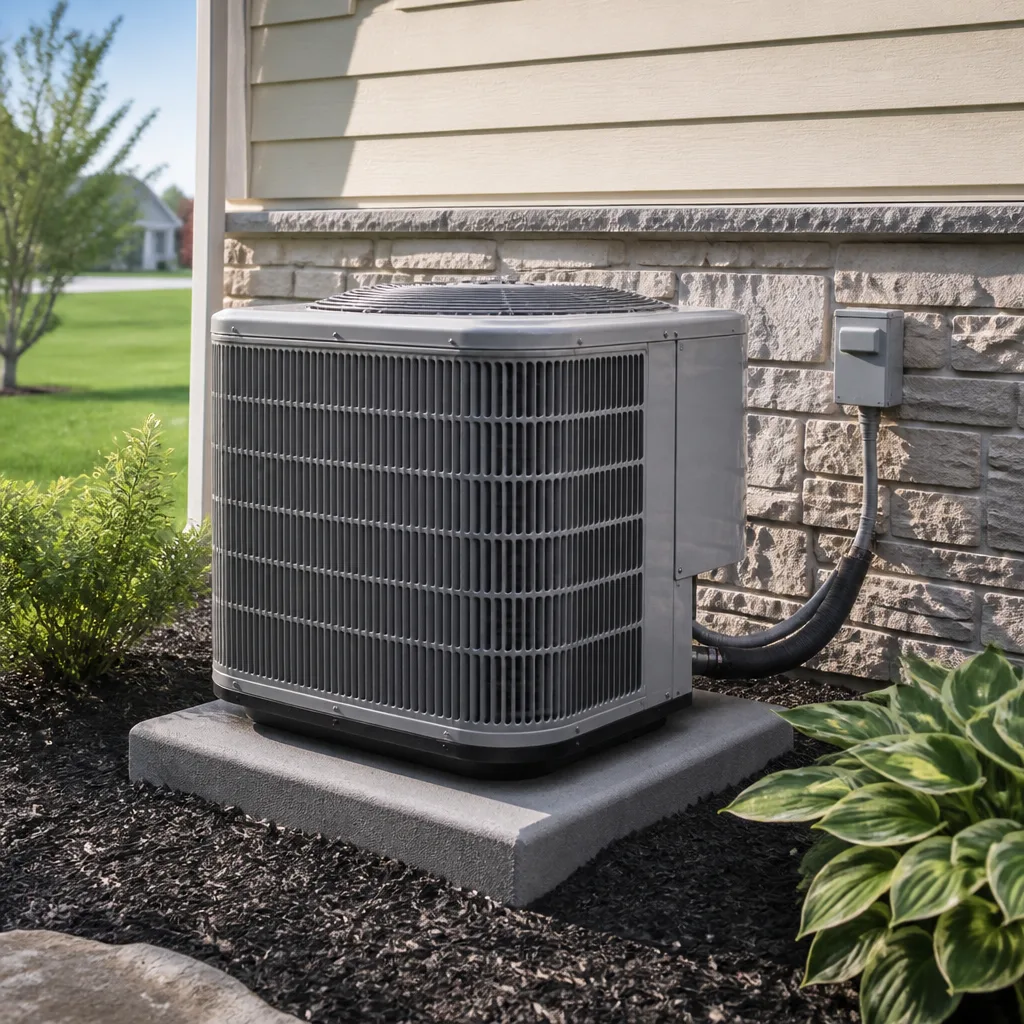 Carrier
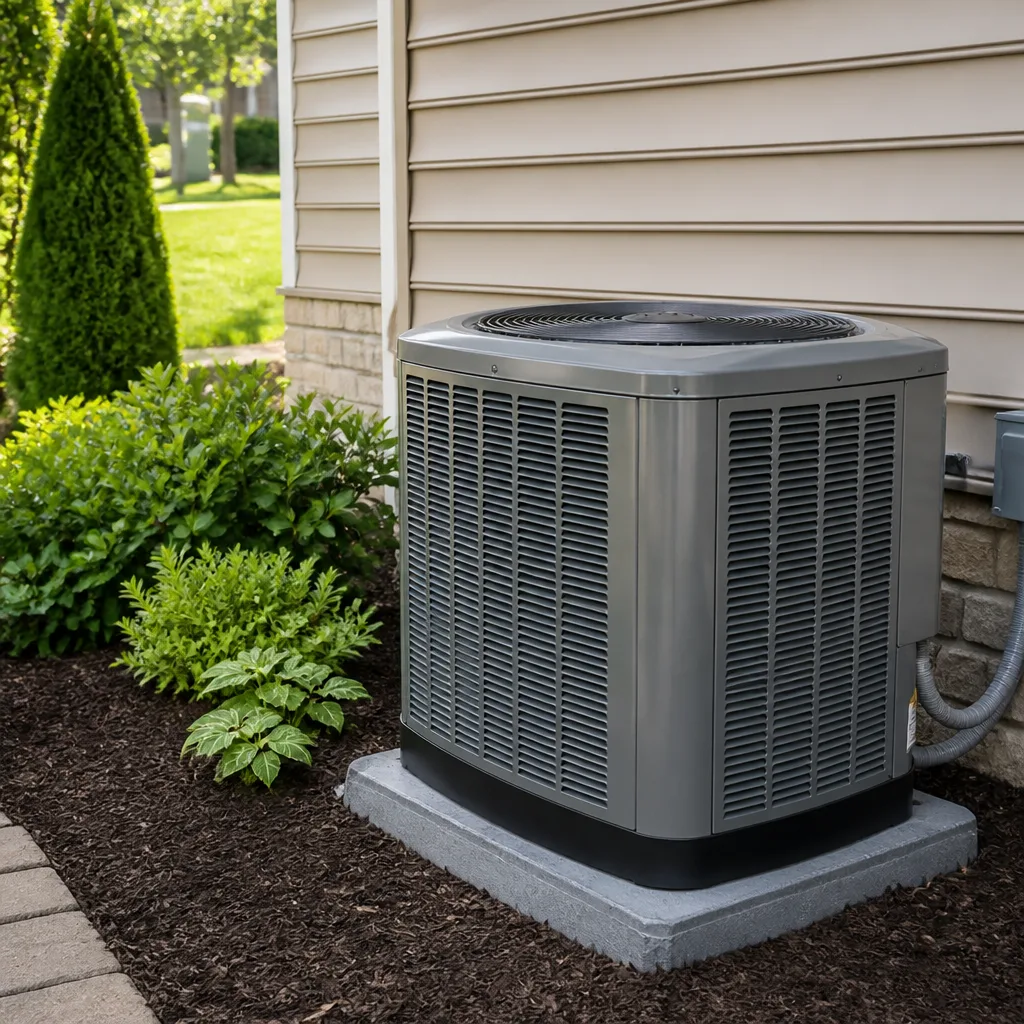 Trane
Trane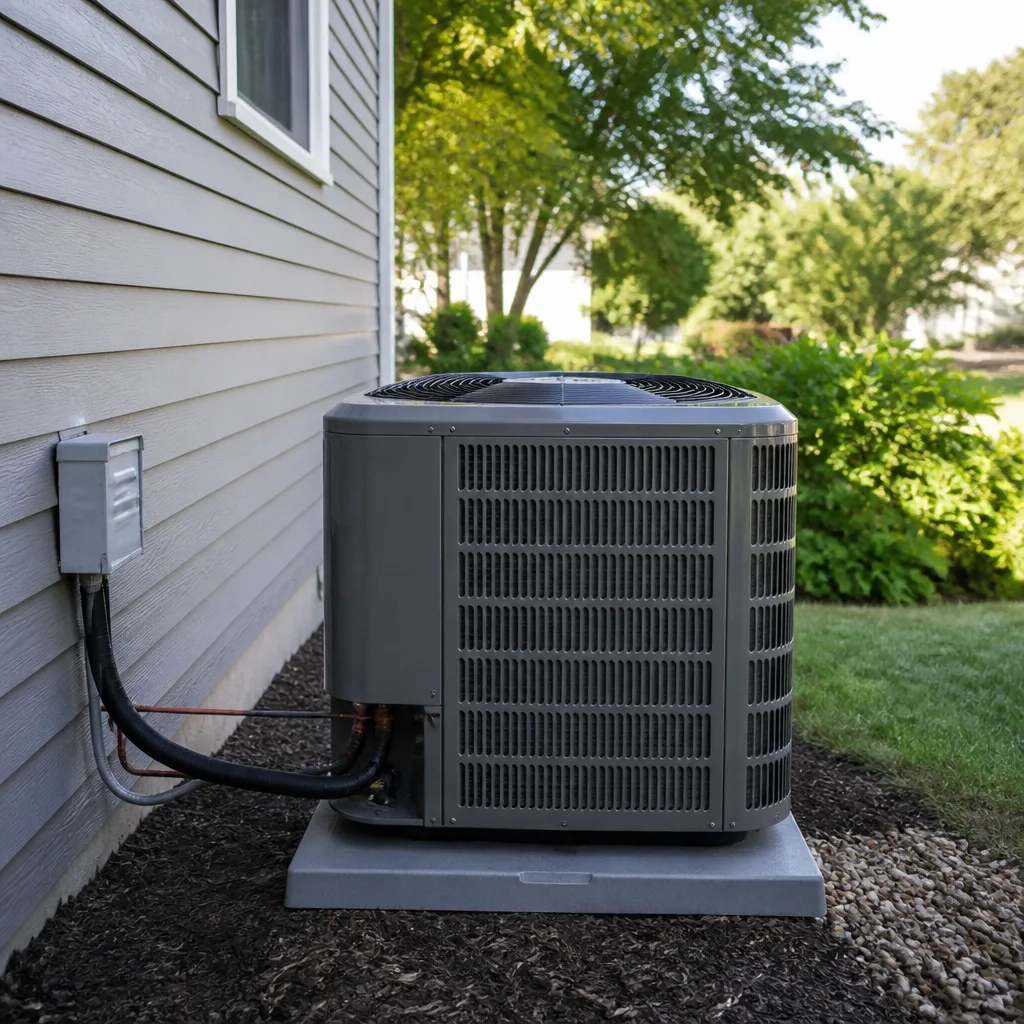 Goodman
Seasonal tune-up and full diagnostic on your Carrier, Trane, or Goodman system - readings shown to you before any repair is proposed
Diagnosis first, numbers second - you approve the repair price before a single part goes in.
Get your free estimateAC Repair Maintenance Checklist for Ventura Homeowners
The standard “change your filter every 90 days” advice was not written for a home two miles from the Pacific. Salt air deposits on condenser fins don’t care about your reminder app. They build up constantly, and a Ventura system that skips a coil rinse for one season can lose 15 to 20 percent of its cooling efficiency before a homeowner notices anything wrong. This guide is different. It’s sequenced around when Ventura’s actual climate demands action, not when a national HVAC brand’s marketing calendar says spring tune-up season starts. You’ll learn the month-by-month tasks that matter here, which ones you can safely do yourself, which ones require a licensed technician, and how to spot the coastal-specific failures that generic checklists miss entirely.
Quick Answer
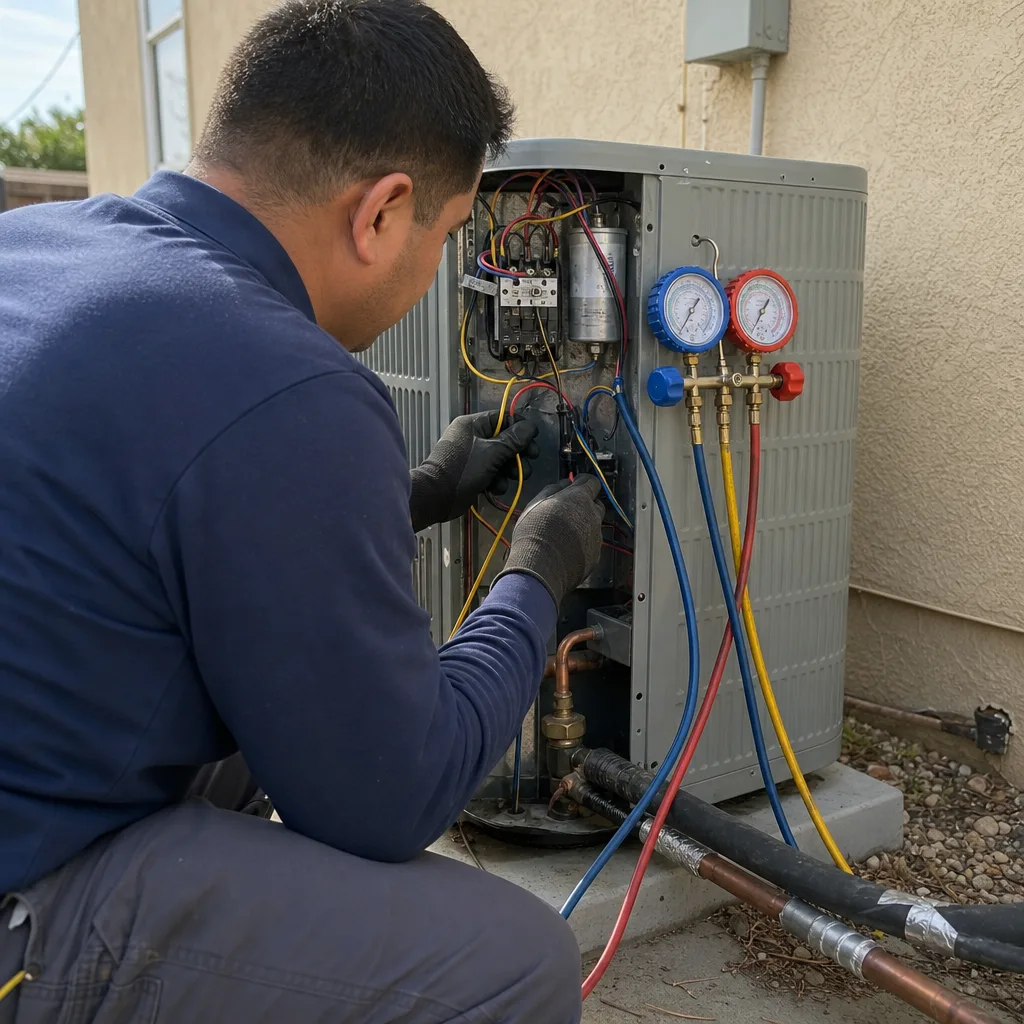
An effective AC maintenance checklist for Ventura homeowners follows the city’s actual weather patterns, not generic spring and fall tune-up buckets. The most important tasks are rinsing condenser coils of salt deposits every 60 to 90 days for homes within five miles of the coast, checking refrigerant line insulation for UV and salt damage monthly during summer, and replacing filters every 30 to 60 days depending on household dust and pet load. A homeowner can handle filter changes, visual inspections, and basic debris clearing, but coil cleaning on the condenser interior, refrigerant checks, and electrical testing require our AC Repair services.
Styles & brands we work with
Table of Contents
- Why Ventura’s Climate Demands a Different Maintenance Calendar
- The Month-by-Month Ventura AC Maintenance Checklist
- The Coastal Salt Problem: Coil Cleaning Within 5 Miles of the Ocean
- Refrigerant Line Insulation: The Failure Point Nobody Checks
- Three Warning Readings You Can Capture with a $15 Thermometer
- DIY-Safe Tasks vs. Tasks That Void Warranties or Require EPA 608 Certification
- Common Mistakes to Avoid
- When to Call a Professional
- Frequently Asked Questions
Why Ventura’s Climate Demands a Different Maintenance Calendar
Ventura doesn’t get the punishing humidity of Houston or the brutal dry heat of Phoenix. What it gets is something quieter and more insidious: persistent marine layer mornings, salt-laden air off the Pacific, afternoon sun that beats directly on condenser units, and temperature swings that push systems to cycle on and off more often than in steadier climates. That cycling matters. Each start and stop puts mechanical stress on capacitors, contactors, and compressors. A system in Ventura can accumulate more starts in a single summer than a Phoenix system does in two years, even though the Phoenix system runs longer total hours. Wear patterns differ, and so should the maintenance approach.
Homes in the Ventura hills above Foothill Road experience different conditions than homes in Midtown or along the Avenue. Higher elevation means less marine layer, more direct sun, and faster UV degradation of exposed components. Homes closer to the beach deal with salt spray and persistent moisture that accelerates corrosion on aluminum fins and copper line sets. A checklist that treats all Ventura homes the same misses the point. The sequence below accounts for both the coastal zone and the inland bench areas, with notes on when each zone should act.
The other factor most national checklists ignore is Ventura’s Santa Ana season, which typically hits September through November. Santa Ana winds carry dry, hot air from the high desert and can push temperatures into the 90s when homeowners have already mentally closed the book on summer. A system that was just barely holding on in August will fail outright during a September Santa Ana. That’s why this calendar extends real maintenance attention into autumn, when most guides tell you to just swap a filter and forget about it.
The Month-by-Month Ventura AC Maintenance Checklist
This list is built around what actually happens in Ventura, month by month. It’s not the generic “spring and fall” split. It’s a sequence. Follow the sequence and you’ll stay ahead of every failure mode this climate produces.
January through February: The system is mostly idle, which makes this the best time for deep inspection work. The marine layer keeps mornings damp, and standing moisture on a dormant condenser is where corrosion starts. Walk the unit. Look for rust beginning at weld points, any sign of critter nesting (Ventura rats and mice love a quiet condenser cabinet in winter), and vegetation growing within two feet of the unit. Trim it back. Change the filter. If your system has a heat pump, it’s still working in winter, so move to the next step.
March: This is when Ventura starts warming in short, teasing bursts. The first real AC demand often comes in late March. Before that first hot afternoon, do a test run. Set the thermostat five degrees below room temperature and listen. You’re listening for a hard start (a thump or buzz when the compressor kicks on), any grinding, or a fan that takes more than a few seconds to spin up. A $15 thermometer taped to a supply vent should show air 15 to 20 degrees cooler than the return air within 10 minutes. If it doesn’t, you have a problem before the season even starts. This is the month to schedule a professional pre-season check if you haven’t already.
April and May: The marine layer is thickest in these months. May Gray is real, and it means your condenser is spending every night coated in damp, salt-laden air. This is the critical window for coastal homes within five miles of the shore. Do a visual check of the condenser fins every two weeks. If you see white or gray crust forming on the aluminum, that’s salt and mineral deposit. Light buildup can be rinsed with a garden hose at low pressure. Heavy buildup needs a professional coil cleaning, because the wrong technique bends fins and makes the problem worse. For homes in the inland bench areas above the 126, May is when UV damage to exposed plastic components starts to show. Check the capacitor cover, wire insulation, and any plastic drain pan fittings for cracking.
June through August: Peak season. The system is under its highest load, and Ventura’s late-afternoon sun is brutal on west-facing condenser placements. The tasks narrow to three high-value checks: filter condition (check every 30 days, replace as needed), drain line function (look for water pooling near the indoor unit or a musty smell from the vents), and noise changes. A system that’s getting louder is trying to tell you something. Don’t ignore a new hum, rattle, or clank just because it’s still cooling. Small problems in June become compressor failures in August. Our AC Repair in Ventura calls spike hardest in July and August, and almost all of them trace back to a warning sign that appeared weeks earlier.
September and October: Santa Ana season. Ventura homeowners make a specific mistake every single year: they assume cooling season is over after Labor Day. Then a Santa Ana event pushes temperatures into the mid-90s with single-digit humidity, and a system that’s been neglected since August fails. Keep the filter fresh through October. Keep the area around the condenser clear of the leaves and debris that Santa Ana winds deposit. And if you noticed any performance dip in August, don’t postpone the repair thinking you won’t need cooling again. You will.
November and December: This is when maintenance attention shifts to the heating side for most Ventura homes, but the AC still needs a final wrap-up. Do a last visual inspection. Clean debris from the condenser. If you have a cover for the unit, use a breathable one (solid plastic traps moisture and accelerates corrosion, especially in the coastal zone). If you have a heat pump, skip the cover entirely because the system needs airflow year-round. This is also the ideal month to schedule any deferred maintenance you put off during summer, when technicians and parts are both easier to get. For furnace work, our Furnace Repair in Ventura page covers the heating side of the calendar.
The Coastal Salt Problem: Coil Cleaning Within 5 Miles of the Ocean
Salt air is the single biggest difference between maintaining an AC system in Ventura versus maintaining one in Thousand Oaks or Simi Valley. The Pacific doesn’t just put salt in the air. It puts salt in the air consistently, night after night, and salt is corrosive to the aluminum fins that make up the condenser coil. Salt deposits on the fins do two things: they reduce the coil’s ability to transfer heat (efficiency loss), and they create the conditions for galvanic corrosion that pits and weakens the metal over time (equipment lifespan loss).
The problem is that salt buildup is invisible in the early stages. You won’t see a dramatic white crust forming. You’ll see a slight dulling of the fins, maybe a powdery residue if you wipe them with a finger. Meanwhile, the efficiency loss is already happening. A coastal Ventura system that goes one full season without a coil rinse can lose 15 to 20 percent of its cooling capacity. The system runs longer to hit the same setpoint, energy bills climb, and the compressor accumulates wear hours faster than it should.
What a proper coastal coil cleaning involves:
- A visual inspection to identify fin damage, bent sections, and the thickness of the salt and debris layer.
- A low-pressure water rinse from the inside out (never high-pressure, which folds fins flat).
- Application of an alkaline coil cleaner that breaks down salt and mineral deposits without etching the aluminum.
- A rinse cycle to clear the cleaner and all dissolved material.
- A fin check to straighten any bent sections with a fin comb.
- Final visual confirmation that airflow is unrestricted through the entire coil face.
Here’s the part most checklists skip: for Ventura homes within five miles of the coast, this coil cleaning needs to happen twice per cooling season, not once. The marine layer means constant salt deposition from May through July. A single cleaning in April won’t carry you through October. The second cleaning should land in late July or early August, when the first cleaning’s benefit is fading and the system is under peak load. Homes east of the 101 and inland from the Avenue can usually get by with one professional coil cleaning per year, plus homeowner rinses at the hose level.
Refrigerant Line Insulation: The Failure Point Nobody Checks
The refrigerant line set is the pair of copper pipes that connect the outdoor condenser to the indoor evaporator coil. One of those pipes carries cold refrigerant, and it’s wrapped in foam insulation to prevent condensation and energy loss. In Ventura, that foam insulation fails in a specific way: UV radiation from direct sun breaks down the foam’s structure, and then salt-laden marine air accelerates the deterioration once the surface is cracked. The result is insulation that disintegrates to the touch, leaving bare copper exposed.
Exposed refrigerant line does two bad things. It sweats in Ventura’s humid marine mornings, and the constant moisture against the copper creates corrosion risk. And it absorbs heat from the surrounding air, which means the refrigerant inside is warmer than it should be when it reaches the indoor coil. Warmer refrigerant means less cooling capacity and longer compressor run times. It’s a silent efficiency killer.
How to check it: once a month during cooling season, walk the visible portion of the line set from the condenser to where it enters the house. You’re looking for: cracking or crumbling foam, sections where the foam has pulled away from the pipe, gaps at joints and elbows (the most common failure point), and any exposed copper that looks wet or green. If you find damaged insulation, the fix is straightforward but needs a trained hand, because the line set can get cold enough to cause frostbite from mishandling during operation. A technician can replace the insulation with UV-stable, closed-cell foam that’s rated for coastal exposure. Don’t use standard pipe insulation from the hardware store. It degrades within a season or two in Ventura’s sun and salt combination.
This one check, done monthly, takes 60 seconds and catches a problem that robs efficiency from an otherwise healthy system. It’s on this list because it’s not on anyone else’s list, and it should be.
Three Warning Readings You Can Capture with a $15 Thermometer
Before you call a technician, you can gather three temperature readings with a basic digital thermometer. These readings tell the technician exactly what the system is doing, and they tell you whether the problem is urgent or minor. A service call that starts with data is faster and cheaper than one that starts with “it just doesn’t feel cold.”
Reading One: Supply air temperature drop. Place the thermometer probe in a supply vent (the ones that blow air out) and read the temperature. Then read the return air temperature at the intake grille. The difference should be 15 to 20 degrees. If the difference is less than 14 degrees, the system is underperforming and needs attention. This is the single most useful diagnostic reading a homeowner can provide.
Reading Two: Compressor discharge line temperature. Outside at the condenser, find the larger of the two copper lines. This is the discharge line, and it carries hot refrigerant away from the compressor. During normal operation, it should feel very warm to the touch, typically 120 to 160 degrees. If it feels only slightly warm or close to ambient temperature, the compressor may not be running at full capacity. If it’s scorching hot to the point you can’t keep a hand near it, the system may be overcharged or the coil may be blocked. Both are conditions a technician should evaluate.
Reading Three: Condenser air outflow temperature. Stand where the condenser fan blows air upward and out. That air should feel noticeably warmer than the surrounding air, because it’s carrying the heat your home is rejecting. A system that’s working properly produces an outflow 15 to 25 degrees warmer than ambient. If the outflow feels barely warm, the system isn’t moving heat properly, which usually means a coil problem or a charge issue.
Write these three readings down before you call. The technician who answers will use them to prioritize and prepare. It’s the difference between a 30-minute diagnostic visit and a two-hour hunt.
DIY-Safe Tasks vs. Tasks That Void Warranties or Require EPA 608 Certification
There’s a clean line between what a Ventura homeowner can safely do and what requires a licensed professional. Some of that line is about safety. Some of it is about warranties. Some of it is about federal law. Knowing where the line sits protects both you and your system.
Tasks that are genuinely DIY-safe:
- Filter replacement: use a MERV 8 to 11 filter for most Ventura homes, check every 30 days, replace when visibly dirty.
- Debris clearing: leaves, dirt, grass clippings, and anything else within two feet of the condenser. A clean radius means proper airflow.
- Condensate line flushing: pour a cup of white vinegar into the drain line access point once every two months to prevent algae and mold growth.
- Thermostat battery changes: a dead thermostat battery is one of the most common causes of a “dead” system.
- Visual inspections: line set insulation, coil fins, electrical disconnect box condition, and condenser pad level.
- Breaker inspection: check that the AC breaker hasn’t tripped and that the disconnect next to the condenser is in the “on” position.
Tasks that require a licensed technician:
- Refrigerant handling: anything involving refrigerant charge, leak repair, or recovery requires EPA 608 certification. This is federal law, not a company policy.
- Coil cleaning beyond a basic hose rinse: proper coil cleaning requires removing the condenser top and using commercial cleaners. Doing this wrong bends fins and worsens the problem.
- Electrical work: capacitors, contactors, wiring, and any component inside the electrical panel. Capacitors hold a charge even when the power is off and can deliver a dangerous shock.
- Compressor work: any diagnosis or repair involving the compressor itself. This is the most expensive component in the system, and amateur work voids warranties from Rheem, York, Daikin, Bryant, and every other major brand.
- Fan motor replacement: involves electrical connections and proper blade alignment. A misaligned blade creates vibration that destroys bearings.
One note on warranties: most manufacturer warranties are explicit that unauthorized service voids coverage. That includes DIY attempts at refrigerant work or electrical repairs. A “simple fix” attempted on a weekend can end up costing the full replacement price of a compressor, because the warranty protection is gone. For systems from brands like York or Daikin, the warranty language is specific, and manufacturers do enforce it. When in doubt, the rule is simple: if you’re not certain, the technician call is cheaper than the alternative.
Common Mistakes to Avoid
- Following a national-brand maintenance calendar. Ventura’s climate doesn’t match what a generic spring and fall schedule assumes. The marine layer, salt air, and Santa Ana winds create failure patterns that need a Ventura-specific sequence.
- Skipping the second coil rinse for coastal homes. One coil cleaning per year is not enough within five miles of the Pacific. Salt deposits rebuild through summer, and by September the system is working against a crust of buildup.
- Using a solid plastic condenser cover in winter. Solid covers trap moisture inside the unit, and in Ventura’s damp marine air that trapped moisture accelerates corrosion on every metal component. A breathable cover or no cover at all is the right call.
- Ignoring a new noise because the system still cools. A new hum, rattle, or click is the early warning of a bigger failure. Systems almost never fail without warning. They warn, then they fail. The homeowners who listen spend hundreds. The ones who don’t spend thousands.
- Delaying repairs after Labor Day. Santa Ana season reliably brings hot days into October. A system that limped through August will not magically hold through a 95-degree September afternoon. Fix it when you first notice the issue.
- Replacing the filter on a “set it and forget it” schedule. Ventura homes with pets, open windows during marine layer mornings, or ongoing construction nearby need filter changes more often than homes without those factors. Check every 30 days and replace based on what you see, not what the calendar says.
- Attempting refrigerant work without certification. EPA 608 certification exists for a reason. Refrigerant is dangerous to handle, illegal to vent, and improper charging destroys compressors. This is a hard line, and no legitimate technician will advise otherwise.
When to Call a Professional
Some maintenance tasks are genuinely yours to own. Filter changes, debris clearing, visual inspections, thermostat checks. But the moment you encounter refrigerant concerns, electrical components, compressor behavior, or coil cleaning beyond a light hose rinse, the right move is a call to a licensed technician. The symptoms that warrant immediate attention: warm air from the vents when the system is set to cool, ice forming on the indoor coil or the larger refrigerant line, a burning smell from the unit, the breaker tripping repeatedly, water pooling under the indoor unit, or any of the three thermometer readings falling outside normal ranges. These are not wait-and-see situations. They’re diagnostic calls. Brandt HVAC Co Ventura offers free estimates in Ventura. Call (831) 539-0291 and a live person answers, day or night. We’ll send a technician you know by name and photo before arrival, with a written price before any work begins.
Frequently Asked Questions
Check every 30 days and replace when visibly dirty, which for most Ventura homes means every 30 to 60 days depending on pets, dust, and how often windows are open during marine layer mornings. A filter that looks dark or clogged is already restricting airflow and costing you efficiency. Call (831) 539-0291 if you’re not sure which filter rating is right for your system.
A professional maintenance visit in Ventura typically runs $120 to $250 depending on what’s included. Coil cleaning, electrical inspection, drain line flush, and a written report are the core components. Watch for “tune-up specials” that include almost nothing but a filter change and a sales pitch. A real maintenance visit takes 60 to 90 minutes and produces a written summary of what was checked and what was found.
Yes. Salt deposits on condenser coil fins reduce heat transfer efficiency and accelerate corrosion that pits the aluminum. In coastal Ventura zones within five miles of the ocean, systems without regular coil rinses lose 15 to 20 percent of cooling capacity within a single season and suffer measurably shorter compressor lifespans. The damage is cumulative and mostly invisible in early stages.
On peak summer days, longer run cycles are normal, but a system that runs continuously from afternoon through evening without reaching the setpoint is not. That indicates a capacity problem: low refrigerant, a dirty coil, a failing capacitor, or an undersized system. The supply air temperature drop test described earlier will tell you whether the system is producing cold air. If it is but the house still won’t cool, the problem may be duct leaks, insulation, or system sizing.
Maintenance is preventive work done on a schedule: cleaning, inspection, and small adjustments that keep the system running properly. Repair is corrective work done after something breaks or degrades: replacing a failed capacitor, fixing a refrigerant leak, or rebuilding a damaged coil. The two connect directly: systems that get regular maintenance need far fewer repairs. See our AC Maintenance in Ventura page for what a full maintenance visit includes.
The general rule: if the repair cost multiplied by the system’s age in years is less than half the cost of a new system, repair is usually the right call. For example, a $600 repair on a 10-year-old system ($6,000) versus a $14,000 replacement means repair makes sense. A $2,000 repair on a 15-year-old system ($30,000) flips the math. But the bigger factor is reliability. Once a system starts accumulating failures year after year, each additional repair buys less time. For Ventura-specific replacement advice, start with a Brandt HVAC Co Ventura home consultation that includes a written price before anything is ordered.
The Bottom Line
A useful AC maintenance checklist for Ventura is not the one you’ll find on a national filter brand’s website. It’s a sequence built around what actually happens here: salt air eating at condenser fins all summer, the marine layer keeping units damp for months, Santa Ana heat arriving after everyone assumes cooling season is over, and line set insulation degrading under UV and salt a little more every week. The homeowners who stay ahead of this climate save money on energy, avoid mid-summer breakdowns, and extend the life of their equipment by years. The homeowners who follow the generic advice don’t know anything is wrong until a compressor fails on the hottest day of the year. This guide gives you the Ventura-specific sequence. Follow it, and your system will do what it’s supposed to do: keep your home cool, quietly, without surprise failures.
Written by Devin Marlowe, Owner at Brandt HVAC Co Ventura, serving Ventura since 2003.
See the difference
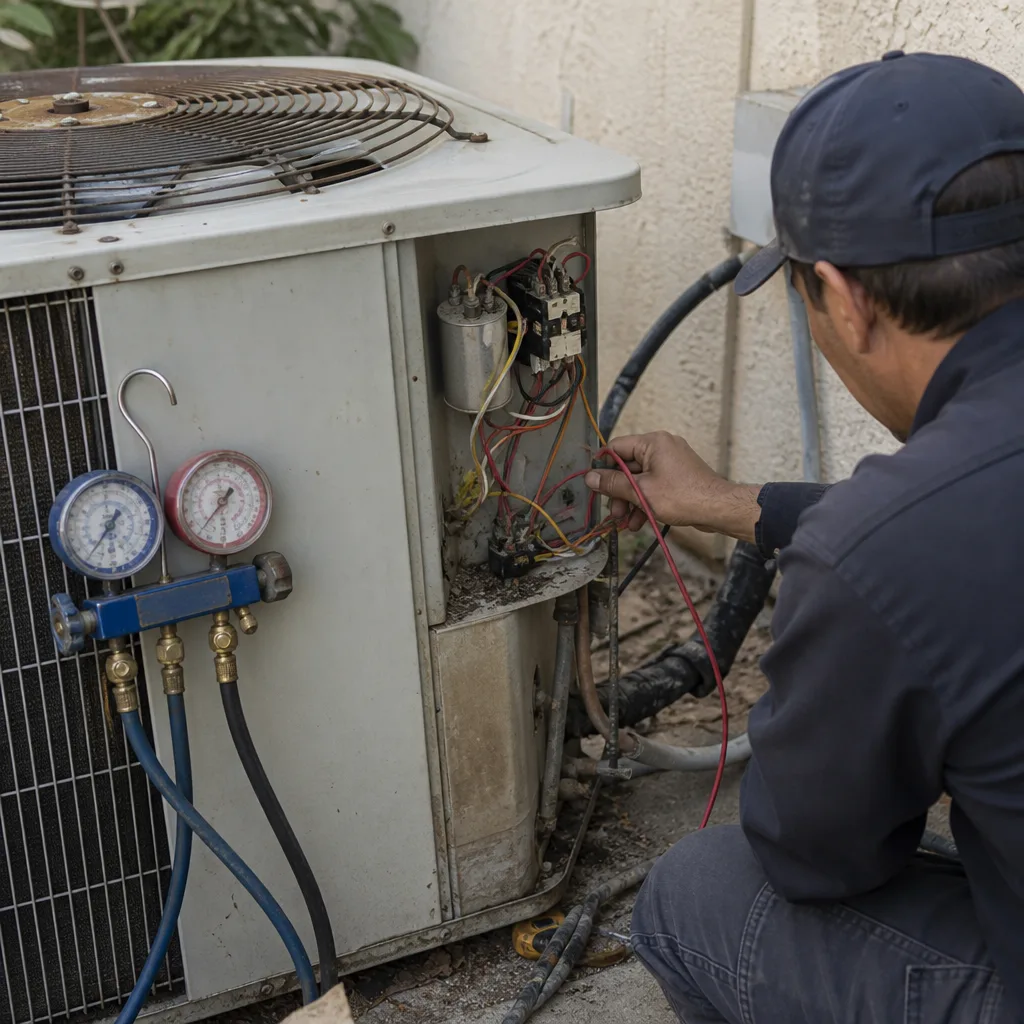 Before
 After
After Before
 After
After Before
 After
After