
Last updated October 16, 2026
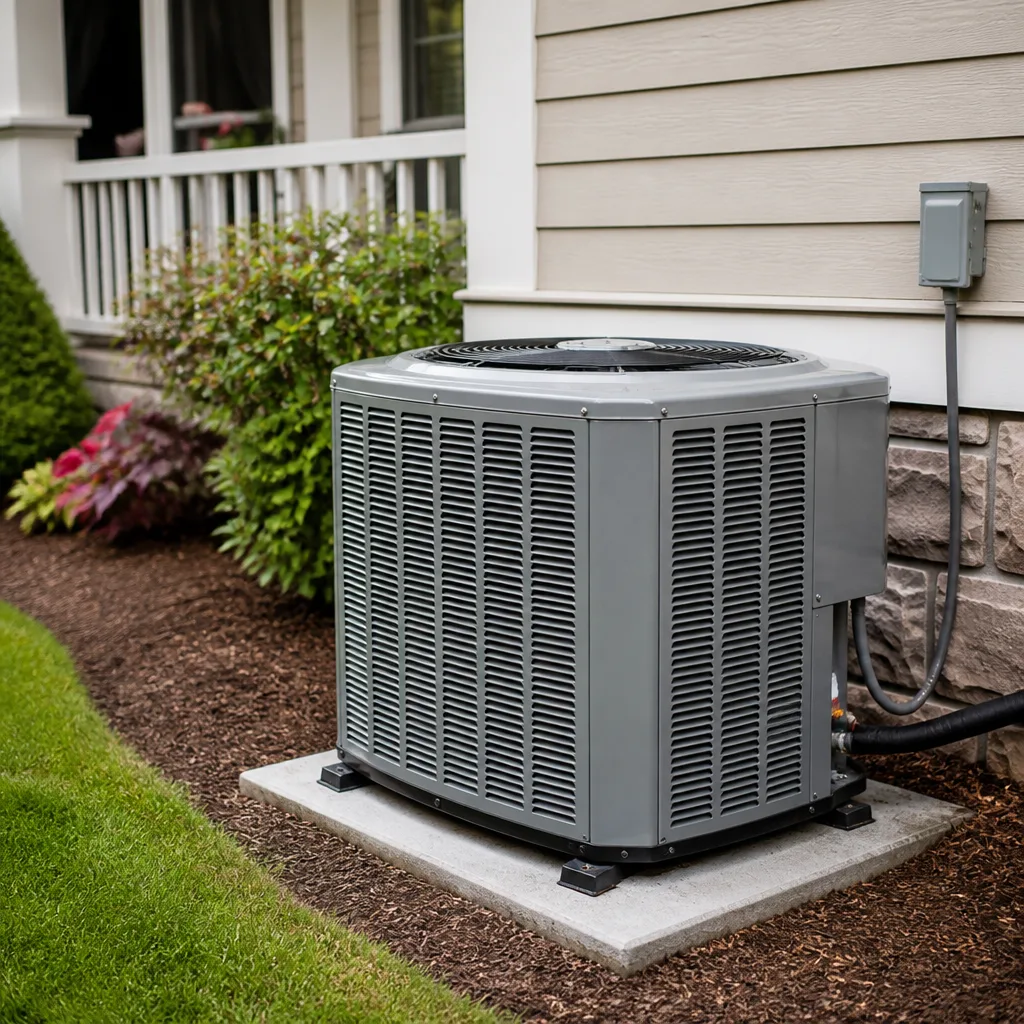 AC repair
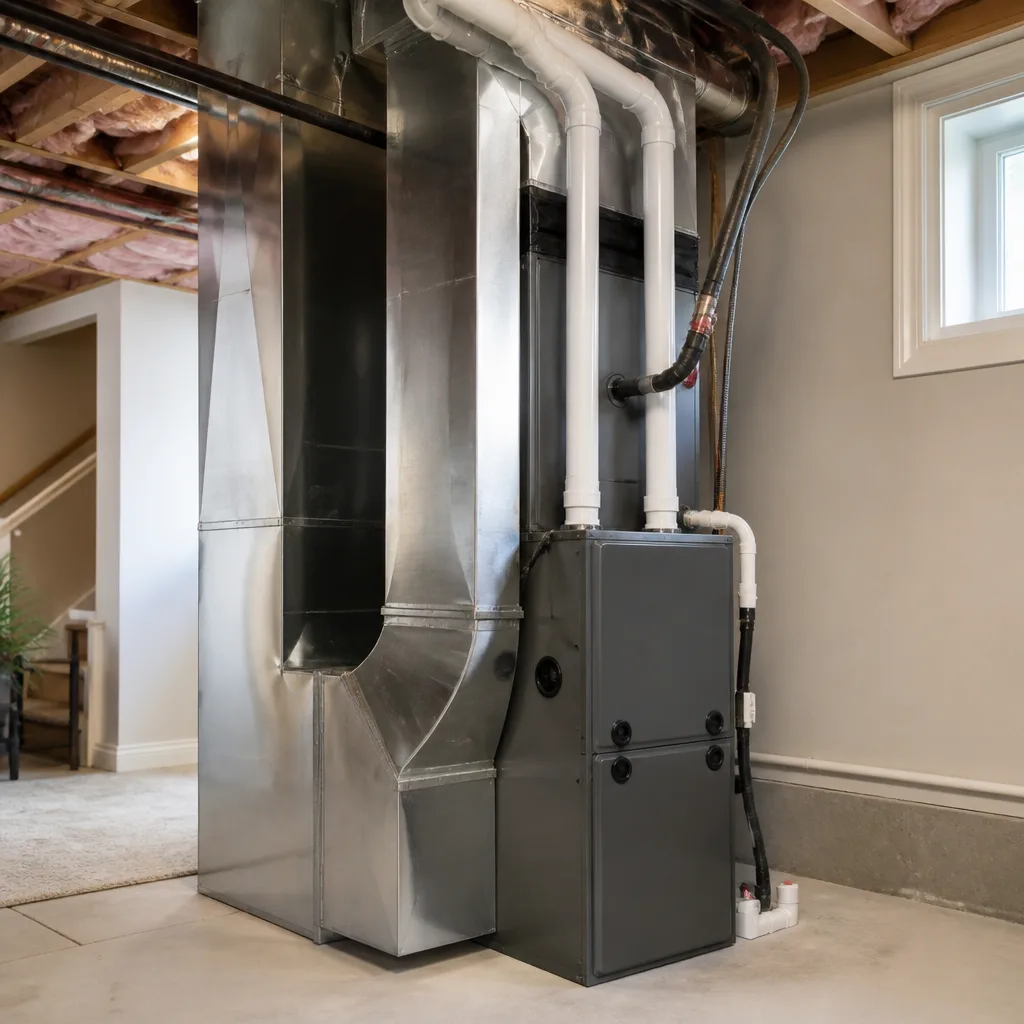 Furnace & heating
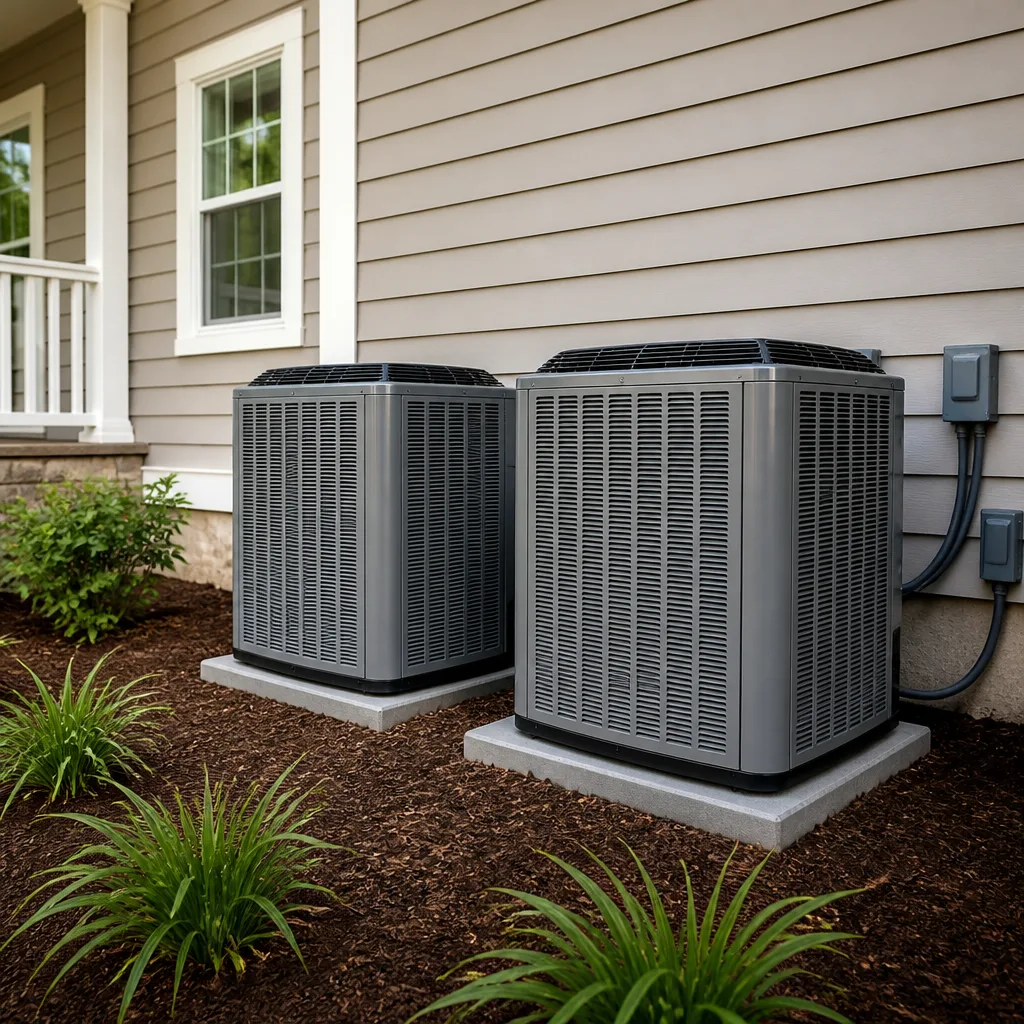 Heat pumps
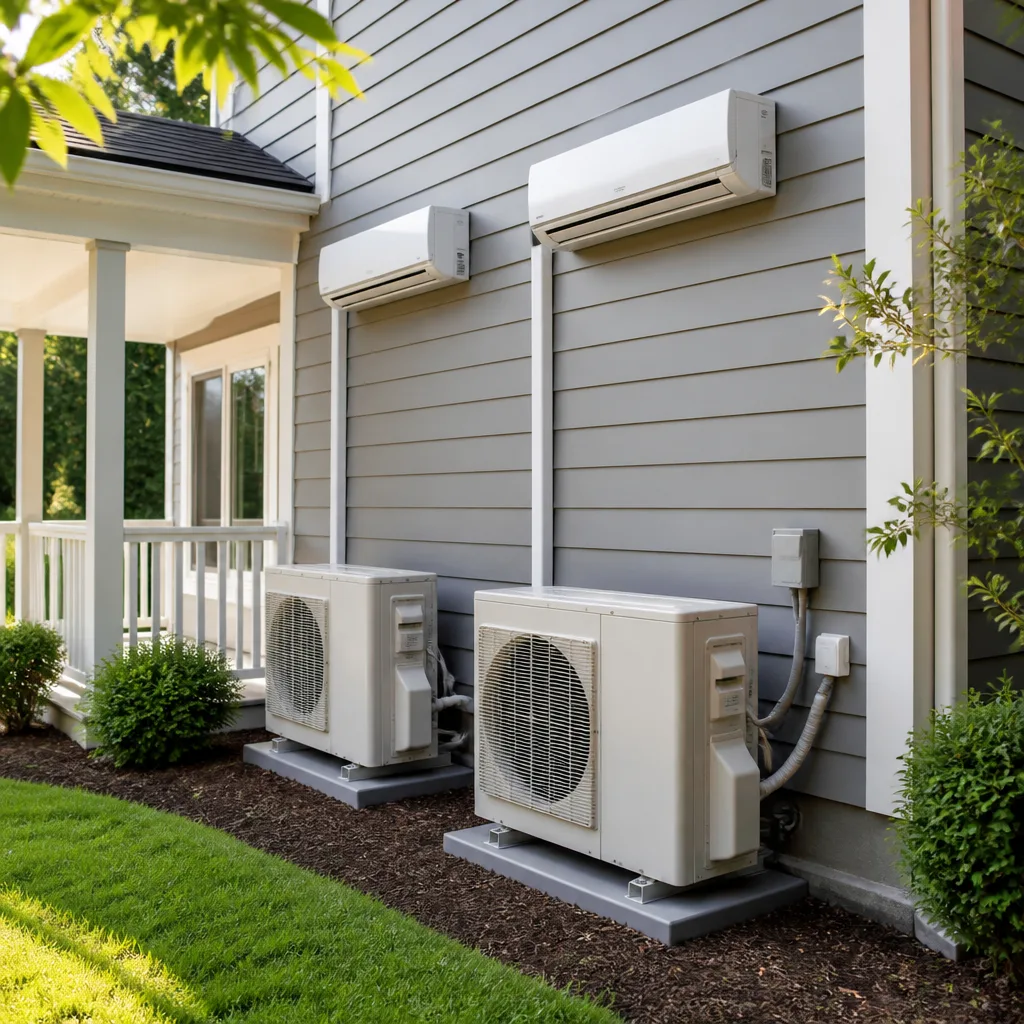 Ductless mini splits
 Carrier
 Trane
Trane Goodman
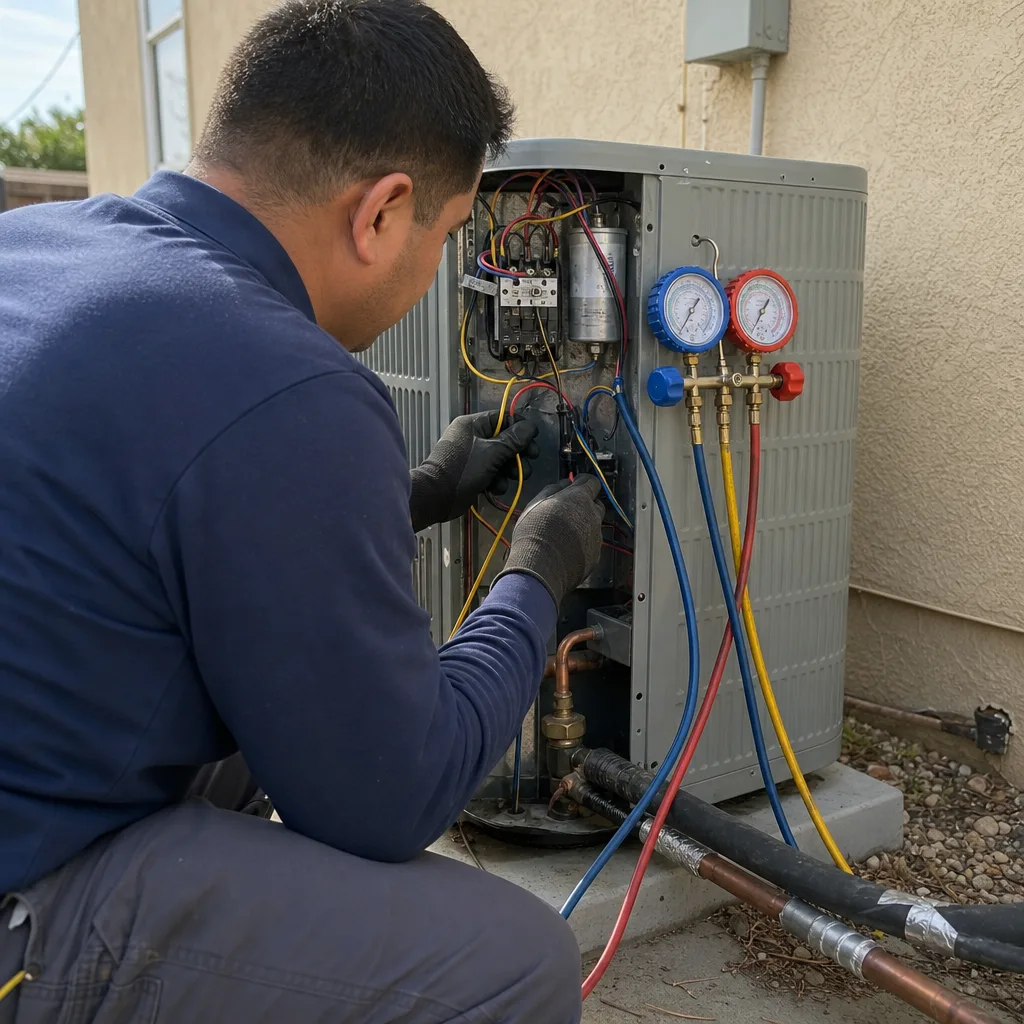
Seasonal tune-up and full diagnostic on your Carrier, Trane, or Goodman system - readings shown to you before any repair is proposed
Diagnosis first, numbers second - you approve the repair price before a single part goes in.
Get your free estimateHow to Hire a HVAC Contractor in Ventura: A Step-by-Step Guide
In California, a C-20 HVAC license gets a contractor legally through your front door. That license, however, tells you almost nothing about the person standing in your living room. The technician who shows up could be the licensed contractor you vetted, or a subcontracted helper hired that morning with no background check, no company badge, and no accountability to you. This guide walks through what to verify, what to ask, and what to walk away from before you let anyone touch your furnace or air conditioner in Ventura. For more guides & resources, see our blog.
Quick Answer
To hire an HVAC contractor in Ventura, verify their C-20 license on the CSLB website, require a written estimate before any work starts, ask who specifically will arrive at your home and what that person’s credentials are, and confirm the quote covers the full scope of work in writing. A reputable contractor should volunteer their license number, put pricing on paper without being asked, and tell you the technician’s name before the visit.
Styles & brands we work with
Table of Contents
- Step 1: Verify the C-20 License on the CSLB Website
- Step 2: Ask Who Specifically Will Walk Through Your Door
- Step 3: Demand a Written Estimate That Includes Specifics
- Step 4: Compare Bids on Scope, Not Just Price
- Step 5: Recognize the Red Flags Before You Sign
- What Ventura Homeowners Should Know About Local HVAC Work
- Common Mistakes to Avoid
- When to Call a Professional
- Frequently Asked Questions
Step 1: Verify the C-20 License on the CSLB Website
Every HVAC contractor in Ventura must hold a valid C-20 Warm-Air Heating, Ventilating and Air-Conditioning Contractor license issued by the California Contractors State License Board, or CSLB. This is not optional. An unlicensed contractor cannot legally perform HVAC work in California on any job exceeding $500 in combined labor and materials. The problem: homeowners rarely check. In our experience across Ventura neighborhoods like Midtown, East Ventura, and College Area, maybe one in five customers has looked up their contractor’s license before we arrive.
Here is how to verify a C-20 license in under two minutes:
- Go to the CSLB website at cslb.ca.gov.
- Click “Check a License” near the top of the page.
- Enter the contractor’s name or license number. You can search by business name or individual name.
- Look for the license status. It should say “Active” in green. If it says “Expired,” “Suspended,” or “Revoked,” do not proceed.
- Check the classification. It must say “C-20” or “C20” for HVAC work. A general building license (B) is not sufficient for standalone HVAC contracting.
- Check the issue date. A license issued three months ago with no prior history deserves further scrutiny, though some legitimate new businesses pass this test with flying colors when their owner has years of prior industry experience under another license.
- Verify the business name on the license matches the company you are dealing with. A technician who gives you a license number belonging to a completely different business name is a red flag.
You should also confirm the contractor carries workers’ compensation insurance if they will have employees on your property. The CSLB website shows this. In California, a contractor with no employees may be exempt, but if they send a helper or apprentice, they need workers’ comp. If an uninsured worker gets hurt on your Ventura property, the liability can fall on your homeowner’s insurance.
One more layer: check the contractor’s bond. California requires a $25,000 contractor’s license bond. If a contractor damages your home and refuses to make it right, the bond is one route to recover losses. The CSLB website shows bond status. A contractor with a canceled bond is not legally able to pull permits.
Step 2: Ask Who Specifically Will Walk Through Your Door
This is the question most hiring guides never mention, and it matters more than almost anything else. A company’s license, reviews, and website tell you about the business. None of those tell you who will stand in your hallway at 9 a.m. on a Tuesday. Many HVAC companies in Ventura use subcontractors, day-labor helpers, or rotating crews. The person you vet over the phone may never set foot in your home.
Ask these questions before booking:
- Will the technician who arrives be an employee of your company or a subcontractor? Some companies send both, but the answer reveals their staffing model.
- What is the technician’s name? A company that will not tell you who is coming is a company that cannot guarantee who is coming.
- Can you send a photo before arrival? This is a reasonable request for a trade that works inside your home. Any resistance is a signal.
- Does the technician carry a company ID badge? Will they show it at the door without being asked?
- Has this technician passed a background check? Ask the question directly. The answer should be an unqualified yes or no. “We hire good people” is not an answer.
We built our process at Brandt HVAC Co Ventura around answering these questions before the customer asks. Every technician is background-checked, identity-verified, and introduced to you by name and photo before the visit through our Threshold Verified standard. When they arrive, they show a photo badge at the door. If anyone shows up who you were not told to expect, that visit is on us and we make it right.
For homeowners who are often home alone, parents with young children, or older adults, this matters enormously. You should never have to open your door and wonder whether the person standing there is the person the company described.
Step 3: Demand a Written Estimate That Includes Specifics
A verbal quote is worthless in California. Before any HVAC work begins in Ventura, you should have a written estimate or contract that spells out the scope of work, materials, labor, and total price. This is not just good practice. Under California law, a contractor must provide a written contract for home improvement work over $500. HVAC repairs and replacements almost always exceed that threshold.
A legitimate written estimate should include:
- The contractor’s full business name and CSLB license number
- A detailed description of the work to be done, including the specific equipment being repaired or installed
- A line item breakdown of costs: materials, labor, and any permit fees
- The total price, clearly stated
- A start date and estimated completion date
- Payment terms, including any deposit required
- Any warranty or guarantee language, including what it covers and for how long
The omissions matter more than the inclusions. A contractor who writes “AC repair – $400” with no description of what that repair involves is protecting themselves, not you. If the compressor fails two weeks later, you have no documentation of what was actually done. Push back on vague wording. Ask them to write out exactly what part they are replacing and what the repair involves.
At Brandt HVAC Co Ventura, we give a written price before any work starts, on every job, with no exceptions. Every repair also includes a written guarantee that states exactly what it covers and for how long. If a repair fails within the guarantee period, we return and fix it at no charge under our 365-Day Done Right Promise.
Step 4: Compare Bids on Scope, Not Just Price
The most common mistake Ventura homeowners make is comparing three bids and picking the lowest number, as our HVAC Cost Breakdown: The Ventura Homeowner’s Reference for 2026 explains. That is not comparison shopping. That is shopping for the cheapest person willing to do work in your home, and it has a predictable outcome.
A low HVAC bid usually means one of three things:
- Unlicensed or uninsured work. An unlicensed contractor has lower overhead because they skip license fees, bonds, insurance, and workers’ comp. They undercut legitimate bids because they are not paying for the protections you should demand.
- Reduced scope. The contractor plans to replace only the failed part and skip related work that prevents the next failure. You pay less now and more in three months.
- Deferred liability. The contractor does not carry the warranty burden because they do not plan to answer the phone when you call back.
To compare bids correctly, put them side by side on scope. Does each bid include the same parts? Does each bid specify a particular brand and model for replacement equipment? Does each bid include the same cleanup, testing, and follow-up? A bid for a Carrier compressor replacement is not comparable to a bid for a generic aftermarket compressor. A bid that includes a load calculation before a new system is installed is not comparable to a bid that skips it.
Ask each contractor: what exactly does this bid cover? If they cannot answer in specific terms, the bid is a number, not a proposal.
Step 5: Recognize the Red Flags Before You Sign
Most bad HVAC experiences in Ventura are preventable. The HVAC Warning Signs: A Ventura Homeowner’s Reference Guide appears before the work starts, but homeowners often miss them because they are focused on getting the furnace working again. Here are the signals we tell our own friends and family to watch for:
- The contractor hesitates to give a license number. A licensed contractor knows their number by memory. Hesitation means something.
- The estimate is verbal only. No written estimate means no accountability. Walk away.
- The price is dramatically lower than every other bid. Healthy competition produces a range. A bid 40% below the next closest number is not a deal. It is a warning.
- The contractor asks for full payment upfront. California law limits a home improvement deposit to 10% or $1,000, whichever is less. A contractor demanding 50% down is not acting lawfully.
- The company will not say who is coming. If they cannot name the technician, they cannot vouch for the technician.
- Pressure to sign immediately. A legitimate contractor will give you the written estimate and let you think about it. “Sign now or the price goes up” is a sales tactic, not a business practice.
- No permit mention. Some HVAC replacement work in Ventura requires a permit. A contractor who brushes off the question or says permits are unnecessary may be cutting corners.
What Ventura Homeowners Should Know About Local HVAC Work
Ventura’s coastal climate shapes HVAC work in ways homeowners often don’t anticipate. We see it every season. The marine layer keeps summer temperatures moderate near the coast, but inland neighborhoods like Saticoy and East Ventura can run 10 to 15 degrees warmer on the same afternoon. A system sized for coastal airflow may struggle inland. That is why a proper load calculation matters when you replace equipment, not just a swap of the old unit.
Salt air is another factor. Homes within a mile or two of the ocean deal with corrosion on outdoor condenser coils and electrical connections. Components that last 15 years in Ojai may fail in 8 years near Pierpont. A good contractor accounts for that in maintenance recommendations and equipment choices.
Ventura’s older housing stock also shapes the work. Homes built before the 1990s frequently have undersized ductwork, older electrical panels, and no dedicated circuit for modern heat pumps. A contractor who quotes a new high-efficiency system without checking your ductwork and panel is not doing the job properly. We run into this regularly in Midtown Ventura and the Avenue area, where charming older homes often hide HVAC skeletons.
HVAC Permits, Codes & Inspections in CA: What You Need to Know vary by scope. A simple capacitor or igniter replacement typically does not require a permit. A full system changeout usually does, and the contractor should pull it, not you. The city of Ventura processes HVAC permits through its building and safety division. A contractor who suggests skipping the permit to save money is asking you to accept risk on the largest mechanical system in your home.
Finally, consider how your contractor handles the major brands. Most Ventura homes we service run Carrier, Trane, Lennox, Goodman, Rheem, York, Daikin, Bryant, or American Standard systems. A contractor should be comfortable across all of them. If someone tells you they only work on one brand, that is not a specialty. That is a limitation.
Common Mistakes to Avoid
- Hiring without checking the license. The CSLB website takes two minutes to use. Every year, Ventura homeowners hand money to unlicensed operators because they never checked. Once the money clears, there is often no way to recover it when the work fails.
- Accepting a verbal quote as a final price. If it is not in writing, the number can change the day of the job. A written estimate protects both parties and gives you a reference point if the work goes wrong.
- Choosing the lowest bid without comparing scope. A $900 AC repair bid and a $1,600 bid for the same symptom usually include different work. Compare what is actually included before comparing the total.
- Not asking who will arrive at your home. You vet the company, but the technician is the person inside your house. Ask for a name and photo before the appointment.
- Skipping the written guarantee. Every repair should come with a written guarantee that names the part, the work, and the coverage period. A contractor who won’t put the guarantee in writing is not standing behind the work.
- Ignoring compatibility with Ventura’s climate. Coastal corrosion and inland temperature swings are real. An HVAC system or repair performed without accounting for these conditions will not last as long.
- Paying too much upfront. California caps home improvement deposits at 10% or $1,000. Anyone asking for more is either unfamiliar with state law or counting on you not knowing it.
When to Call a Professional
Some HVAC situations simply should not be handled by a homeowner, no matter how capable. If your system has stopped cooling or heating during a Ventura heat wave or cold snap, the problem is urgent, especially for older adults, infants, or anyone with respiratory conditions. If you smell gas near a furnace, leave the house and call your utility provider first, then a licensed HVAC contractor to inspect the system. If you hear grinding, banging, or buzzing from the air handler or outdoor unit, those sounds often indicate a failing compressor, motor, or blower assembly. Working around electrical panels and refrigerant lines carries real risks. Refrigerant is federally regulated and requires proper handling. Electrical work on a 240-volt HVAC circuit can be lethal.
For any of these situations, call a licensed contractor rather than attempting a repair yourself. Brandt HVAC Co Ventura offers free estimates in Ventura. Call (831) 539-0291 and a live person will answer, day or night. We diagnose the problem, put a written price in front of you before any work begins, and tell you the technician’s name before they arrive.
Frequently Asked Questions
You verify an HVAC contractor’s license through the California Contractors State License Board website at cslb.ca.gov. Click “Check a License,” enter the contractor’s name or license number, and confirm the status is “Active,” the classification is C-20, and the business name matches the company you are dealing with. The entire check takes under two minutes and should happen before you book an appointment.
The five questions that matter most are: who specifically will arrive at my home, are they a company employee or subcontractor, have they passed a background check, can you send a photo before arrival, and will the price be in writing before work starts. A contractor who answers all five comfortably is one you can trust. A contractor who hesitates on any of them is telling you something worth hearing.
HVAC repair in Ventura typically ranges from $150 to $800 depending on the component. A furnace igniter replacement usually runs $150 to $300 including parts and labor. A dual capacitor replacement runs $200 to $350. A blower motor replacement can run $500 to $900. A compressor replacement can exceed $2,000. Any quote should be in writing before work starts. Call (831) 539-0291 for an exact quote on your system, free of charge.
Repair is usually the right call if the system is under 12 years old and the repair cost is under 30% of a replacement system’s cost. Replace when the system is over 15 years old, uses R-22 refrigerant, needs a compressor, or has required multiple repairs in the last two years. Ventura’s coastal corrosion can accelerate the math for homes near the ocean.
Some do, some don’t. Many companies charge a diagnostic fee that they waive if you proceed with the repair. Others build the diagnostic into the repair price. At Brandt HVAC Co Ventura, estimates are free. You will see a written price before any work begins, and there is no obligation if you decide not to proceed.
A written HVAC estimate in California must include the contractor’s license number, a description of the work, the materials to be used, the total price, and payment terms. For home improvement contracts over $500, California law requires a written contract. Estimates that omit the scope of work, the specific equipment, or the contractor’s license number are not legitimate.
The lowest bid usually cuts somewhere: unlicensed labor, skipped permits, reduced scope, no warranty, or aftermarket parts. You pay for those cuts later as repeat repairs, code violations, or outright failures. A legitimate bid reflects the true cost of licensed, insured, guaranteed work. The gap between a low bid and a fair bid is usually the cost of accountability.
The Bottom Line
Hiring an HVAC contractor in Ventura should be an identity and accountability decision before it becomes a price decision. Verify the C-20 license on the CSLB website. Ask who specifically will arrive at your home and what that person’s credentials are. Require a written estimate with the scope of work spelled out. Compare bids on what is included, not just the bottom line. Watch for the red flags that signal unlicensed or unaccountable work. A good contractor will answer every question without hesitation and put everything on paper. That is who we are. Call Brandt HVAC Co Ventura at (831) 539-0291 and talk to a real person who can help you make the right call. Our technicians show up by name, badge, and photo, every time. Learn more about our Brandt HVAC Co Ventura home services, or read our guides on AC Repair in Ventura, Furnace Repair in Ventura, and AC Maintenance in Ventura.
Written by Devin Marlowe, Owner at Brandt HVAC Co Ventura, serving Ventura since 2003.
See the difference
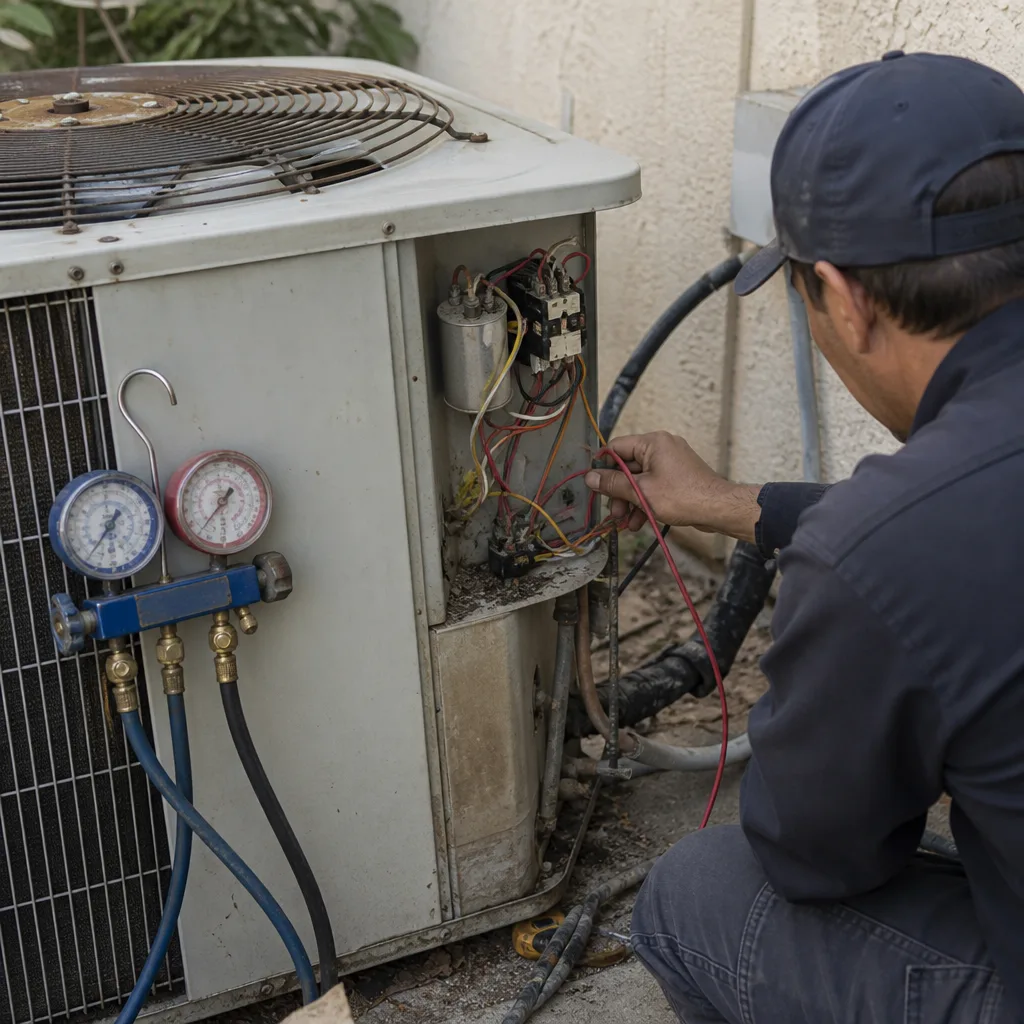 Before
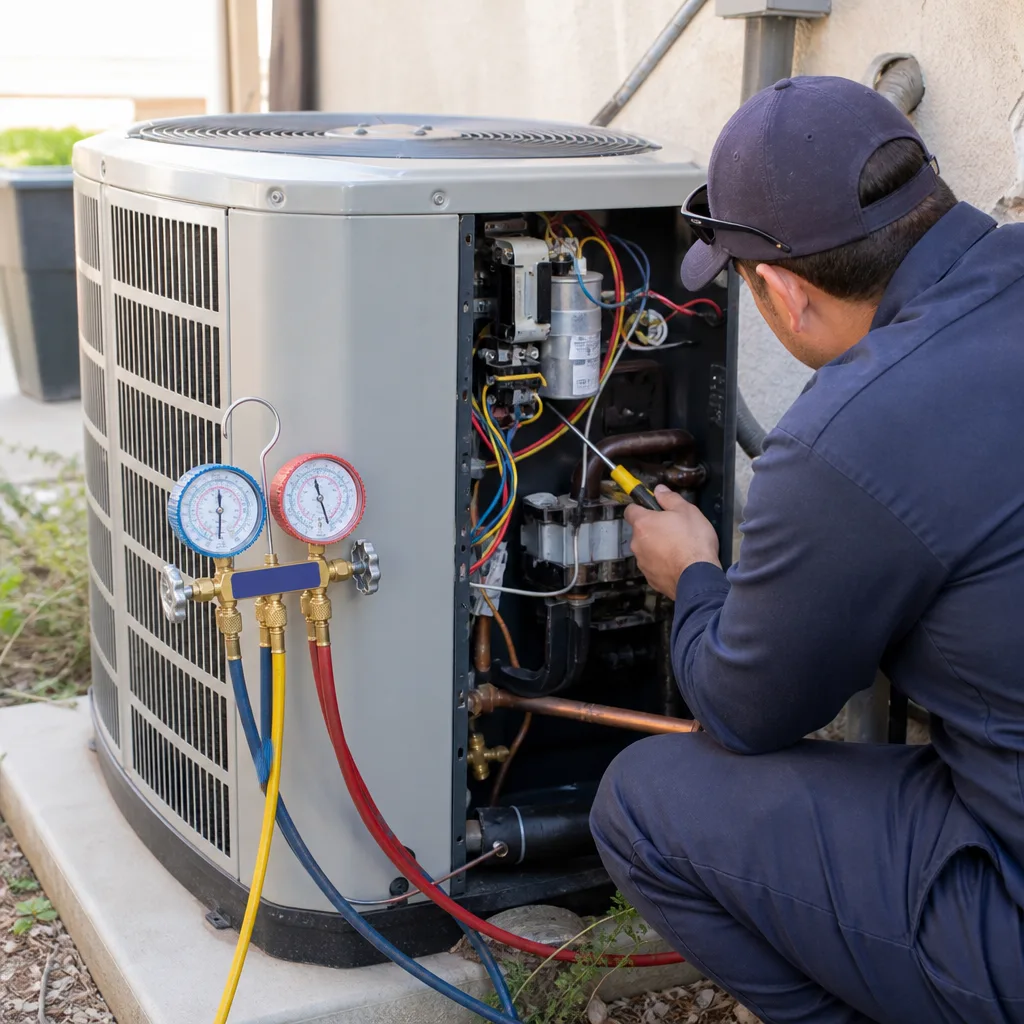 After
After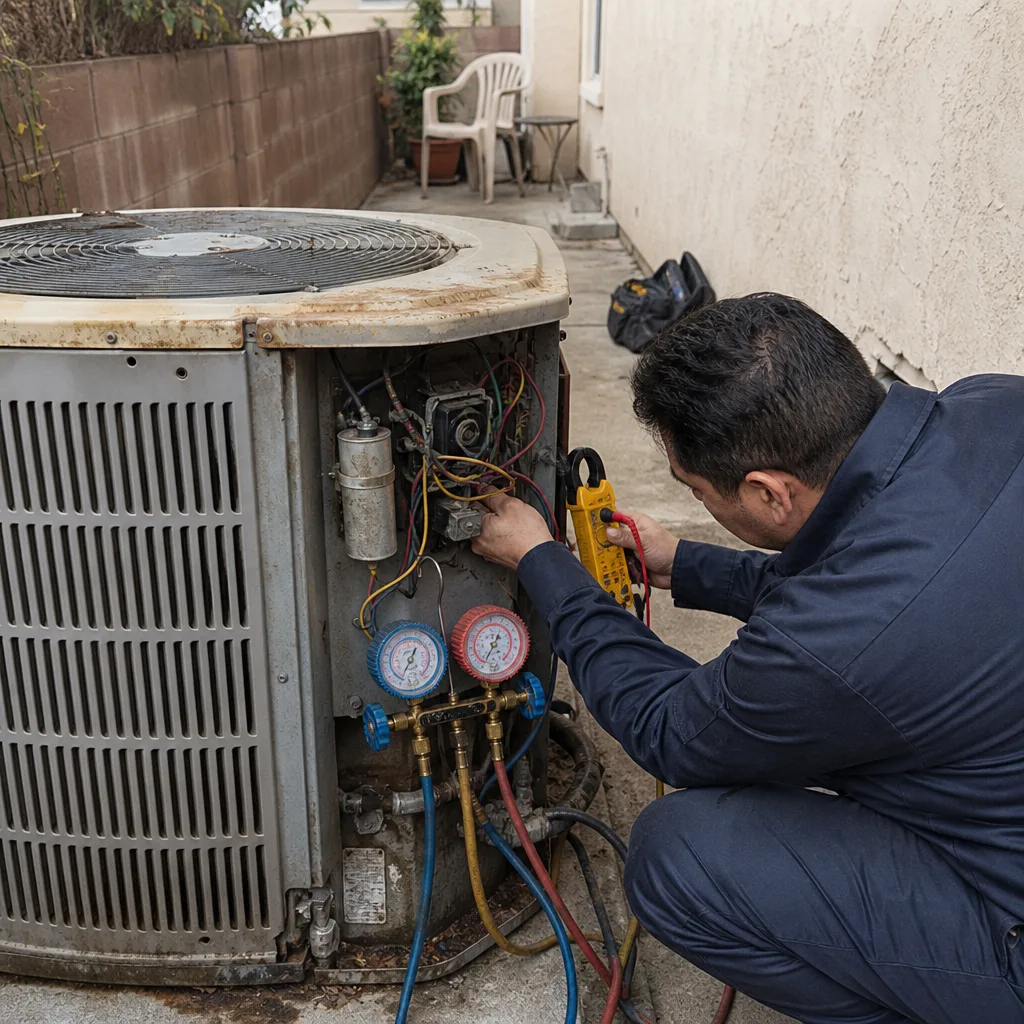 Before
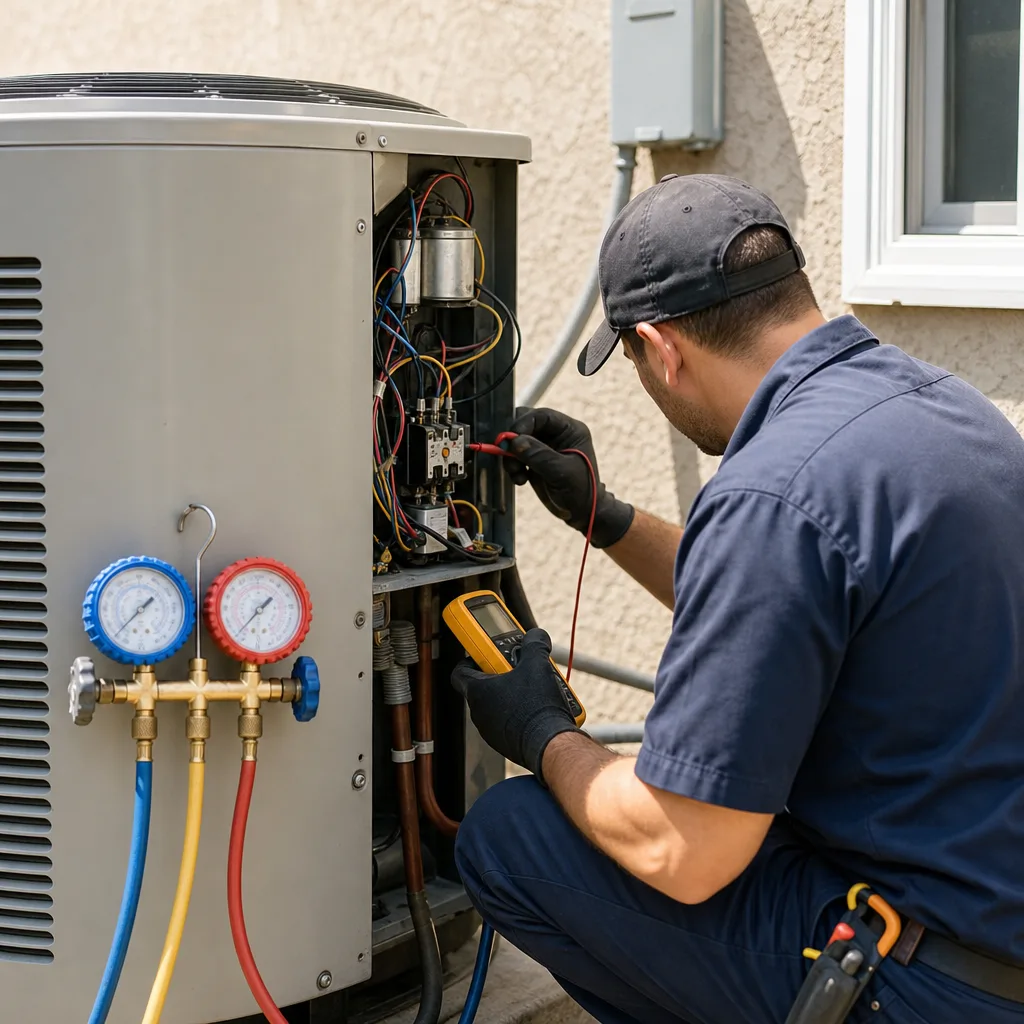 After
After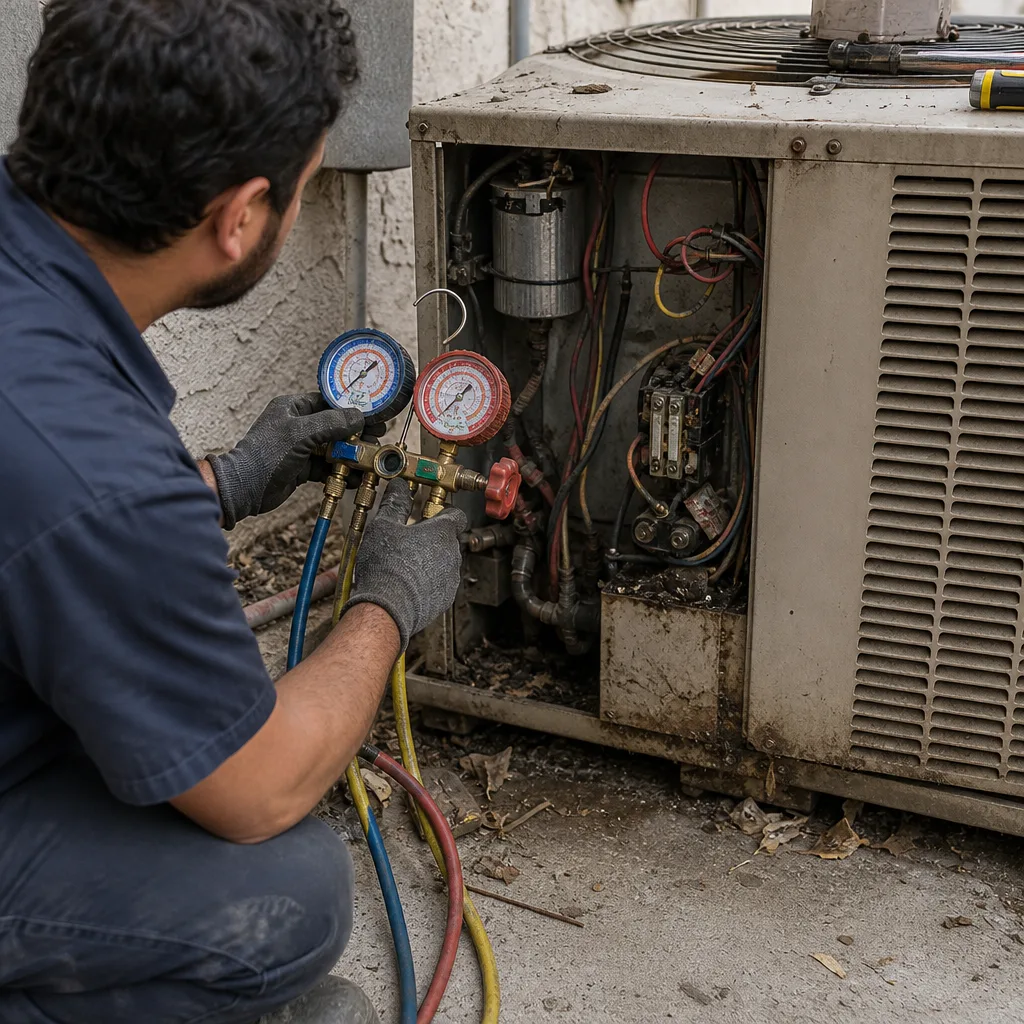 Before
 After
After