
Last updated October 16, 2026
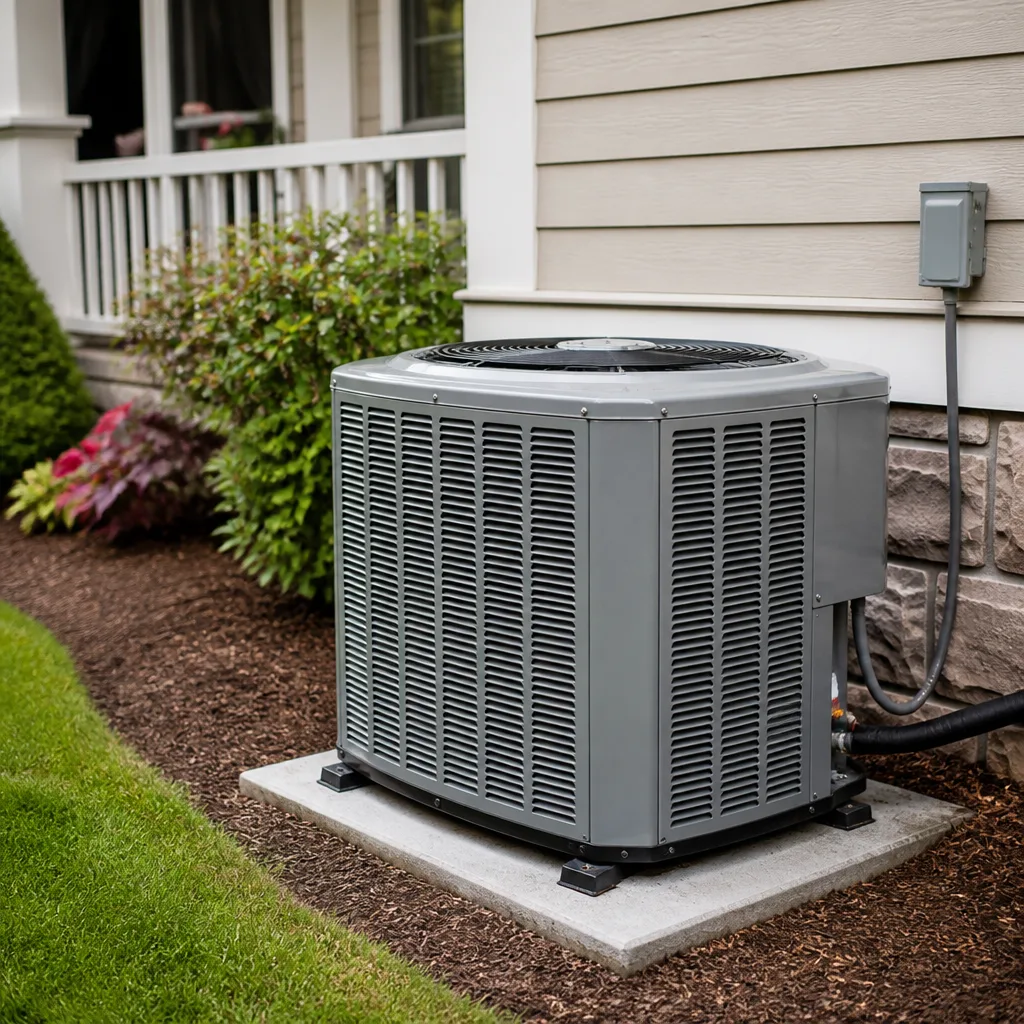 AC repair
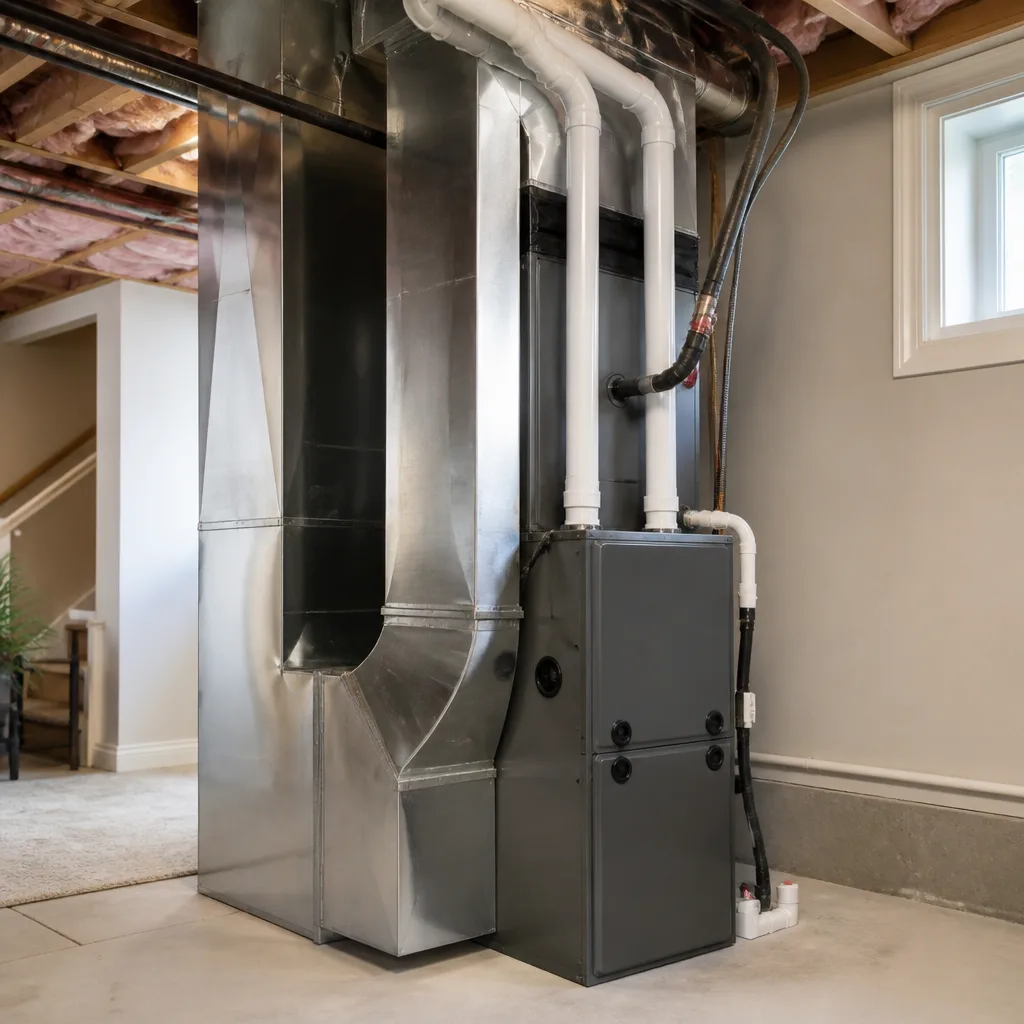 Furnace & heating
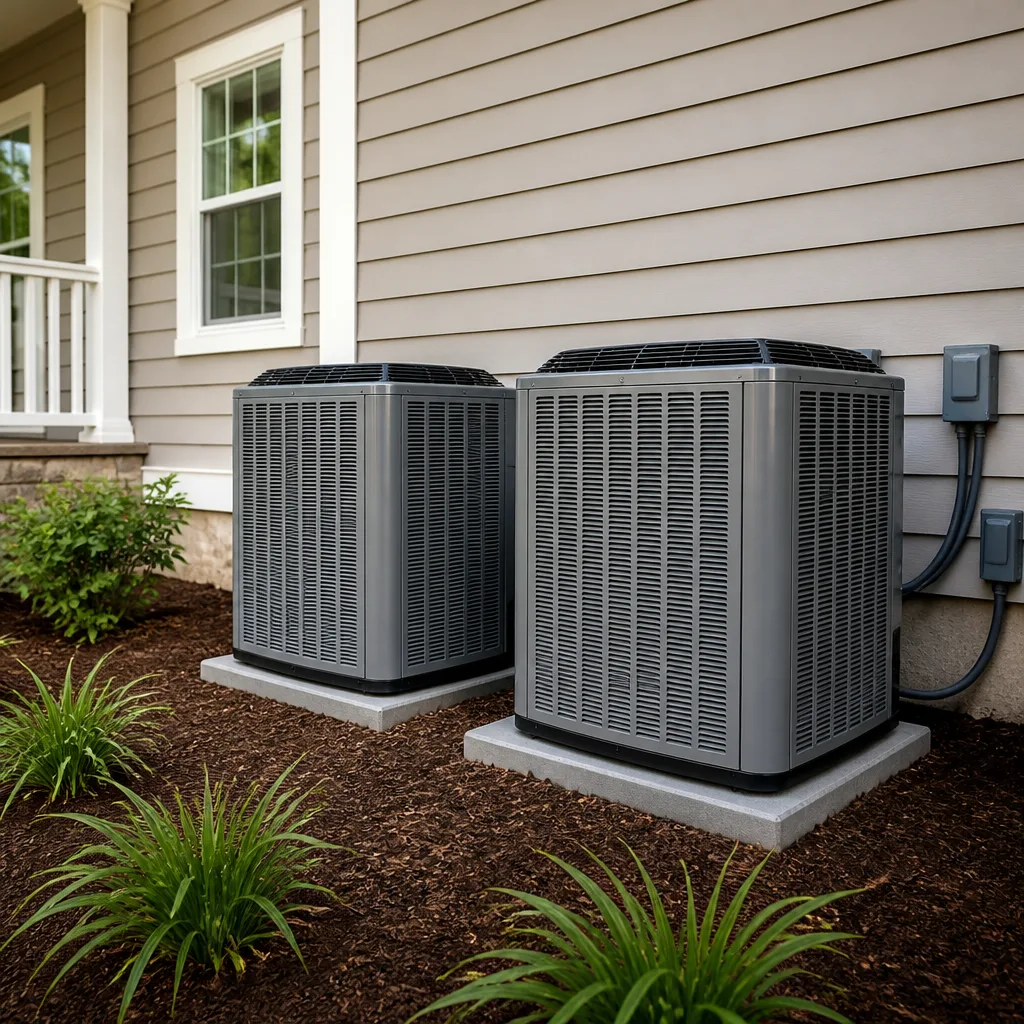 Heat pumps
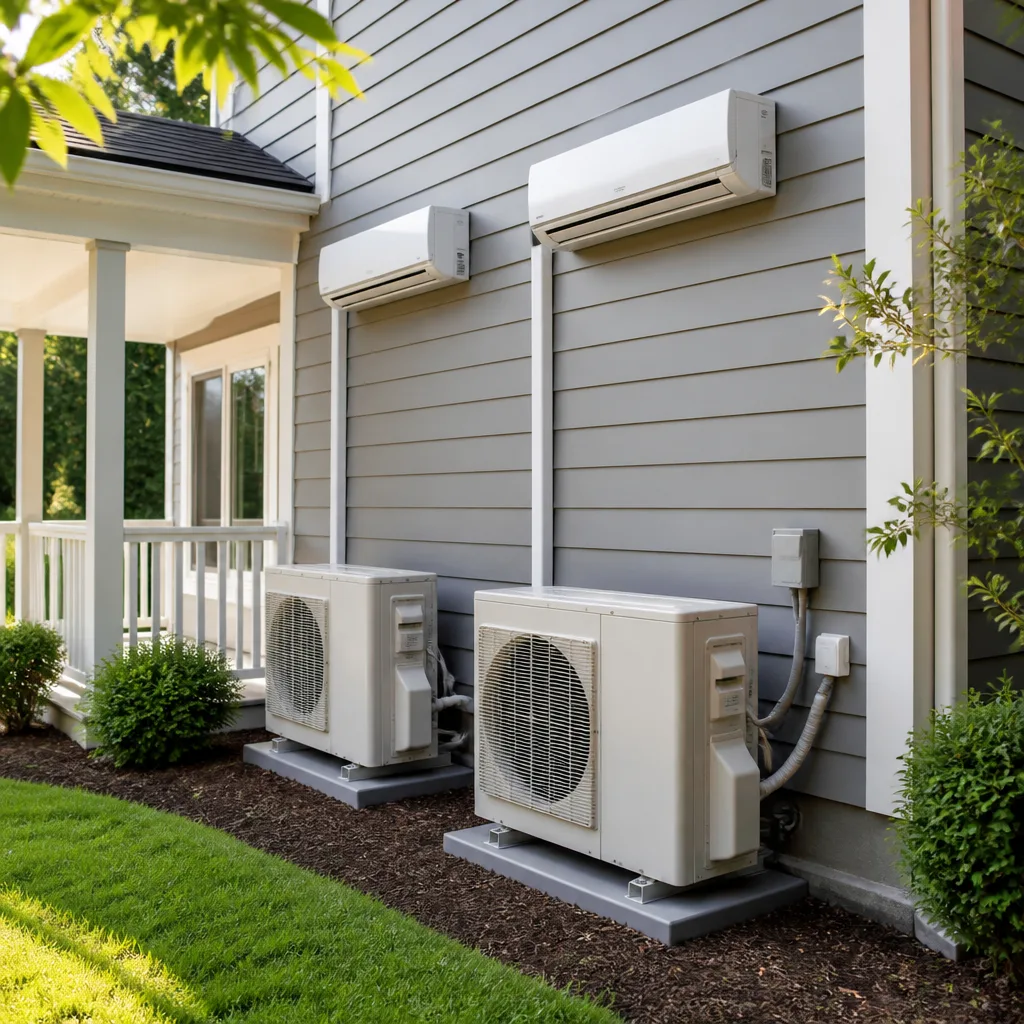 Ductless mini splits
 Carrier
 Trane
Trane Goodman
Seasonal tune-up and full diagnostic on your Carrier, Trane, or Goodman system - readings shown to you before any repair is proposed
Diagnosis first, numbers second - you approve the repair price before a single part goes in.
Get your free estimateHVAC Warning Signs: A Ventura Homeowner’s Reference Guide
Most HVAC warning-sign articles read like a hospital pamphlet: here are the symptoms, call a professional, the end. That leaves a Ventura homeowner standing in the driveway with a grinding condenser and no idea whether they’re about to spend $400 or $4,000. This guide is different. We’ll name the sound, explain what it means mechanically, and give you a realistic cost range before you ever pick up the phone. Because when your AC starts making a noise you’ve never heard before, the most expensive thing you can do is not know what you’re listening to.
Styles & brands we work with
Quick Answer
The most common HVAC warning signs in Ventura are grinding or screeching sounds from the outdoor unit, warm air blowing from vents, ice on the refrigerant lines, musty smells from the ductwork, and a system that runs constantly without cooling the house. For a full rundown, see our AC Repair Maintenance Checklist for Ventura Homeowners. A grinding sound usually means a failing blower motor bearing ($300 – $600) or a seized compressor ($1,500 – $2,500). Ice on the copper lines or a hissing sound always means turn the system off immediately and call for service.
Table of Contents
- The Symptom-by-Symptom Reference Table
- Ventura-Specific Warning Signs Coastal Homeowners See More Often
- Repair vs. Oversold: How to Know the Difference
- Warning Signs That Always Mean Turn It Off Now
- What to Photograph and Describe Before the Technician Arrives
- Questions to Ask Before Authorizing Any Diagnostic Finding
- Realistic Repair Cost Ranges for Common Ventura HVAC Problems
- Common Mistakes to Avoid
- When to Call a Professional
- Frequently Asked Questions
- The Bottom Line
The Symptom-by-Symptom Reference Table
When your HVAC system starts talking to you, it’s speaking a specific dialect. A rattle is not a hum, a hiss is not a squeal, and mistaking one for the other is where homeowners get taken for expensive rides. We’ve put together the table below so you can name what you’re hearing, understand what it likely means, and know how urgently to act. This is the reference we wish every Ventura homeowner kept taped to the side of the furnace.
| Symptom | Most Likely Cause | Urgency | Typical Repair Cost in Ventura |
|---|---|---|---|
| Grinding or metal-on-metal scraping from outside unit | Failing blower motor bearing or seized compressor | Call today | $300 – $600 (bearing) / $1,500 – $2,500 (compressor) |
| High-pitched squeal when system starts | Worn blower belt or dry motor bearing | Monitor; call within a week | $90 – $250 |
| Rapid clicking from outdoor unit | Failing capacitor or contactor | Call today | $90 – $250 |
| Humming but fan not spinning | Failed start capacitor | Call today | $90 – $200 |
| Hissing or bubbling sound | Refrigerant leak | Emergency: turn off now | $200 – $800 for leak repair, plus $150 – $300 for refrigerant recharge |
| Warm air from vents while set to cool | Low refrigerant, failed capacitor, or frozen coil | Call today | $90 – $800 depending on cause |
| System runs constantly, house never cools | Undersized system, low refrigerant, or dirty coil | Call within 3 – 5 days | $150 – $500 for most causes |
| Burning or electrical smell from vents | Overheating motor, wiring issue, or melting plastic component | Emergency: turn off now | $150 – $600 for most motor replacements |
| Ice forming on copper refrigerant lines | Low refrigerant or restricted airflow | Emergency: turn off now | $150 – $450 for airflow issues; $300 – $800 for refrigerant repair |
| Water pooling around indoor unit | Clogged condensate drain or frozen coil | Call within 2 – 3 days | $100 – $300 |
| Musty or mildew smell from vents | Mold or bacteria in ductwork or drain pan | Call within a week | $150 – $400 for cleaning and treatment |
| Short cycling (turns on and off every few minutes) | Dirty air filter, failing thermostat, or oversized system | Monitor; check filter first | $0 (filter change) to $150 – $300 (thermostat) |
One note on those cost ranges: they reflect what we see across Ventura, Oxnard, and Camarillo as of 2025. Prices move with parts availability and copper costs, so treat these as planning numbers, not quotes. A reputable company will give you a written price before any work starts. If a technician won’t name a number until after they’ve opened the unit, that’s not how the trade should work.
Ventura-Specific Warning Signs Coastal Homeowners See More Often
Living a mile from the Pacific changes how your HVAC ages. We’ve been servicing systems in Ventura since 2003, and there are failure patterns we see here that you won’t find in a generic article written for a Phoenix or Dallas market. Here are the coastal warning signs that should put you on alert.
Salt-pitted condenser fins
The outdoor condenser sits in your yard, and in Ventura, the air moving through it carries salt. Over five to ten years, that salt eats away at the thin aluminum fins that wrap the condenser coil. Pitted, crumbling fins can’t transfer heat, so the system runs longer and hotter to do the same work. You can spot this yourself: look at the sides of the outdoor unit. If the fins look like they’ve been sandblasted or you can see white, chalky corrosion blooms, the unit is aging faster than its years suggest. A coil cleaning helps short-term, but severely pitted fins often mean the condenser is approaching replacement age.
Condensate backup during May Gray and June Gloom
Ventura’s marine layer months produce humidity spikes that don’t match the temperature. When outdoor humidity sits at 80% while the thermostat reads 68, your AC runs in short, wet cycles. Condensate drains clog more often here than in drier inland climates, and a backed-up drain pan becomes a breeding ground for mildew within days. If you notice water staining on the drywall below the indoor unit, a musty smell from the supply vents, or a small puddle forming around the base, the drain line needs attention. The fix is usually simple and inexpensive when caught early. Left alone, a clogged condensate line in a humid Ventura spring can warp drywall and ruin the blower motor.
Corrosion lines on the condenser cabinet
Take a walk around your outdoor unit. If you see rust streaks running down from the top grill or around the electrical access panel, that’s a coastal corrosion signature. The combination of salt air and morning fog condensing on cool metal accelerates rust in ways that inland systems simply don’t experience. Surface rust is cosmetic. Rust that has eaten through the cabinet or reached the contactor and wiring inside is a fire hazard and a repair bill waiting to multiply. An annual service can catch this early; missing it means replacing the condenser years before its expected lifespan.
Repair vs. Oversold: How to Know the Difference
Here’s a truth about this trade that most guides won’t print: some HVAC technicians are paid on what they sell, not what they find. When a $90 capacitor job can be disguised as a $1,800 “system failure,” the homeowner who knows the difference keeps thousands of dollars. The homeowner who doesn’t is shopping for a new unit they may not need. Here’s how to tell which situation you’re in.
- Ask for the reading, not the conclusion. A failing capacitor has a measurable microfarad rating. A low refrigerant charge has a measurable pressure and a temperature differential. Before you authorize anything, ask: “What reading did you get, and what is the normal range?” A technician who can answer with numbers is doing diagnostic work. One who says “it’s just old” or “these units always fail this way” is selling you a story.
- Ask to see the part before it’s replaced. Every failed part leaves evidence. A burned contactor has visible pitting. A seized compressor won’t turn by hand. A legitimate repair shop will show you the old part and point to the failure. If the old part disappears before you can look at it, that’s your red flag.
- Get the repair price in writing before work begins. At Brandt HVAC Co Ventura home, every job gets a written price before we touch a screw. No exceptions. If a company won’t commit to a number in writing, they haven’t earned the right to open your system.
- Ask what happens if the repair doesn’t fix the problem. A trustworthy answer is specific: the repair is covered, a return visit is free, here’s the guarantee period. A vague answer means you’re bearing the risk of their misdiagnosis. The 365-Day Done Right Promise is our version of that answer: if a repair fails within the guarantee period, we come back and make it right at no charge.
- Separate emergency pricing from routine pricing. Some companies quote differently at 2 a.m. on a Sunday than they do at 2 p.m. on a Tuesday. That’s legitimate within reason, but you should always see the number before you say yes. If the emergency premium is more than about 50% above normal rates, get a second line item explaining why.
The point here isn’t cynicism. Most technicians in this trade are honest people doing hard work. But the economic incentive to oversell a replacement exists, and the homeowner who arrives informed is the one who gets the repair they need and nothing more.
Warning Signs That Always Mean Turn It Off Now
Some HVAC symptoms are announcers of future trouble. Others are active emergencies happening in real time. These three signs fall in the second category, and we encourage every Ventura homeowner to treat them as stop-now conditions. Calling for AC repair in Ventura is the right response, but first, the system goes off.
Refrigerant hiss
A hissing or bubbling sound from the indoor coil or the refrigerant line means refrigerant is escaping under pressure. Refrigerant is the fluid that moves heat out of your home, and when it leaks, two things happen at once: the system loses cooling capacity, and the compressor begins running with less oil and less refrigerant flowing through it. Every minute the compressor runs low on refrigerant, its lifespan shortens. Turn the system off at the thermostat. Then flip the breaker for the outdoor unit if you can do so safely. Then call. A refrigerant leak is repairable when caught early; ignore the hiss and you’re looking at a compressor replacement down the road.
Burning or electrical smell
An electrical smell from your vents is never normal. It means a motor winding is overheating, a capacitor is about to fail violently, or a wire connection has come loose and is arcing inside the unit. Loose wiring in an HVAC system is a fire hazard in the literal sense, not the dramatic sense. Turn the system off immediately, and don’t run it again until a professional has inspected the wiring, the motors, and the electrical connections inside both units.
Ice on the refrigerant lines
Ice on the copper line running to the indoor unit looks wrong because it is wrong. Refrigerant lines should be cool to the touch in summer, not frozen solid. Ice means either the refrigerant charge is too low or airflow across the coil has dropped dramatically, usually from a clogged filter or a failed blower motor. Running the system while it’s frozen forces the compressor to work against a condition it was never designed for. The ice itself tells you the system is broken; letting it run while frozen turns a $150 airflow fix into a compressor failure. Shut it off and let the ice melt completely before anyone works on it.
What to Photograph and Describe Before the Technician Arrives
Here’s something that will save you money without lifting a tool: the documentation you gather before the diagnostic call. When a technician arrives with a clear picture of what you’re seeing and hearing, they spend less time searching and more time fixing. Here’s the list we give our own customers in Ventura.
- Photograph the outdoor unit from all four sides. Include close-ups of any visible rust, pitting, or fin damage. One shot from ten feet away is nearly useless. Three or four close shots showing the condition of the fins and cabinet will tell a seasoned technician more than a phone description.
- Record the sound. A fifteen-second phone video with good audio is worth a thousand adjectives. “It sounds like gravel in a washing machine” is different from “it sounds like a whistle.” The recording is the truth.
- Photograph the thermostat reading and settings. Show the set temperature and the actual room temperature. If the system has been running for an hour and the gap hasn’t closed, that’s diagnostic information on its own.
- Note the model and serial number. The outdoor unit’s data plate has both. This tells the technician which parts are compatible before they even arrive, and it tells you whether the unit is under manufacturer warranty.
- Photograph any ice, water, or staining. If you see ice on the lines, water around the base, or staining on drywall, document it. These signs are time-sensitive and can change before the technician arrives.
- Describe the timing. When did the symptom start? Does it happen all day or only at certain temperatures? Worse at night? Better after the system has been off for a while? The pattern often identifies the cause faster than the symptom itself.
This is the difference between a 45-minute diagnostic and a two-hour search, and many companies bill by the hour. Your photographs are a free diagnostic tool. Use them.
Questions to Ask Before Authorizing Any Diagnostic Finding
When the technician comes back from the condenser with a diagnosis, you’re about to make a financial decision. These are the questions that separate a homeowner making an informed choice from one signing a work order on faith.
- “Show me the reading.” Every real diagnostic finding has a number attached to it. Capacitance, refrigerant pressure, temperature differential, amperage draw. If the finding doesn’t have a measurement, it’s an opinion.
- “Is this a repair or a patch?” A recharge without a leak fix is a patch. A new capacitor without addressing the cause of the failure may be a patch. Ask directly whether the proposed repair addresses the root cause or just restores function temporarily.
- “What does the guarantee cover, and for how long?” We put this in writing on every repair we do. If a company hesitates to state the guarantee terms before you pay, that hesitancy is your answer.
- “What would you do if this were your mother’s house?” Some technicians will look uncomfortable. The honest ones will answer. The answer tells you whether they’re recommending a repair they’d actually pay for or a job they need to sell.
- “What happens if this doesn’t fix it?” The answer should be specific: free return visit, additional diagnostic at no charge, a defined escalation path. If the answer is “we’ll see,” get another opinion.
None of these questions are confrontational. They’re the baseline a competent professional expects from a homeowner who’s paying attention. At AC maintenance in Ventura, we treat these questions as a sign we’re working with someone who takes their home seriously. If a company treats them as an insult, that tells you something too.
Realistic Repair Cost Ranges for Common Ventura HVAC Problems
The difference between a $200 repair and a $2,000 repair is often the diagnosis, not the part. Here’s what Ventura homeowners should expect to pay for the most common fixes, based on what we see across the city, from the Keys to Montalvo, from Pierpont to Saticoy.
Capacitor replacement: $90 – $250
Capacitors are the most common failure in residential HVAC, and they’re one of the least expensive parts in the system. The capacitor stores the electrical charge that starts the compressor and fan motors. When it fails, the system won’t start or the fan won’t spin. The part costs $15 – $40 wholesale; you’re paying for the diagnostic, the drive, the installation, and the guarantee. A fair market price in Ventura is $90 – $250, including the service call. If someone quotes you $500 for a capacitor, they’re pricing the customer, not the job.
Refrigerant leak repair and recharge: $200 – $800 plus $150 – $300 for the recharge
The leak fix itself depends on location. A leak at an access valve is cheap to fix. A leak inside the evaporator coil in the attic often means replacing the coil, which runs $600 – $1,200. The recharge cost depends on refrigerant type: R-410A systems are less expensive to recharge than older R-22 systems, where the refrigerant itself can run $100 or more per pound. Every recharge should follow a leak repair. Charging a leaking system without fixing the leak is like filling a tire with a nail still in it.
Blower motor replacement: $300 – $600
The blower motor pushes air through the ducts. When it fails, you get weak airflow or none at all, and the system may run but never reach temperature. Blower motors in Ventura homes take extra wear during the marine layer months when systems cycle in short, humid bursts. The part itself runs $150 – $350, and installation involves removing the blower assembly, which takes a technician one to two hours. Expect $300 – $600 all in.
Compressor replacement: $1,500 – $2,500
The compressor is the heart of the air conditioner, and replacing it is the most expensive repair short of a full system swap. A seized compressor, one that hums but won’t turn, or one that’s drawing too many amps can sometimes be replaced under manufacturer warranty if the unit is less than ten years old, which drops your cost to labor only. If the unit is out of warranty, compressor replacement on a twelve- or fifteen-year-old system is often the moment to consider replacement instead. Spending $2,500 on a compressor for a system with a 15-year lifespan left is arithmetic, not repair.
Thermostat replacement: $150 – $300
Thermostats fail less often than mechanical components, but when they do, the symptoms look like everything else: short cycling, failure to start, temperature swings. The thermostat is also the most commonly misdiagnosed part, which is why we recommend ruling out a $20 filter change and a $90 capacitor before blaming the thermostat. A new programmable or smart thermostat costs $100 – $250 for the unit plus installation.
Condensate drain cleaning: $100 – $300
The drain line clogs with algae and debris over time, and in Ventura’s humid months, that clog happens faster. Signs include water around the indoor unit, a musty smell from the registers, or a full drain pan. Cleaning the line, treating it to prevent regrowth, and checking the drain pan costs $100 – $300. It’s one of the cheapest repairs we do and one of the most commonly deferred until it causes real water damage.
Common Mistakes to Avoid
- Ignoring the first unusual sound. The grinding that starts as a faint intermittent scrape becomes a $1,500 compressor failure inside a few weeks of continued operation. Early repair is cheaper than late replacement, every time.
- Charging a leaking system without fixing the leak. Adding refrigerant to a system with a known leak is spending money to watch it escape. The system will be warm again within weeks, and you’ll have paid twice for the same problem.
- Authorizing a big repair without a written price. This is the single easiest way to be overcharged. A written price before work starts is the standard for reputable shops, and ours includes the guarantee terms in writing on every job.
- Using a dirty filter as a substitute for annual maintenance. A clean filter prevents some problems but doesn’t check refrigerant levels, electrical connections, or drain lines. A system with a clean filter and no annual service can still fail catastrophically.
- Replacing a fifteen-year-old compressor instead of evaluating the whole system. A compressor replacement is a major investment. On a system that age, the arithmetic often favors full replacement when you factor in the remaining lifespan of the coil, the fan, and the electrical components.
- Calling a company that sends a technician you know nothing about. Every Brandt technician is introduced to you by name and photo before arrival, and they show a photo ID badge at the door. If a company won’t tell you who’s coming, that’s a security decision you didn’t agree to make.
- Shutting the system off when it’s iced over and then restarting it hours later without addressing the cause. The ice will melt, and the symptom will disappear, but the underlying problem is still there. Running it again before fixing the cause just sets the cycle back up.
When to Call a Professional
This guide gives you the language to describe what you’re seeing and a realistic sense of what repairs cost. But the actual diagnostic work belongs to a trained technician with the right meters, gauges, and experience reading what those numbers mean. Call when you hear grinding or hissing, when you smell anything electrical, when ice appears on the lines, when the system runs without cooling, or when water appears where it shouldn’t. Call when the symptom has persisted for more than a day or two and you haven’t found an obvious cause like a dirty filter. Brandt HVAC Co Ventura offers free estimates in Ventura and publishes more guides & resources. Call (831) 539-0291 and you’ll talk to a person, not a recorded menu, at any hour.
We service every major residential brand, including Carrier, Trane, and Lennox systems, and we’ve been working on these units in Ventura since 2003. The name Brandt comes from an old word for a firebrand, which is fitting for the work of keeping a home warm. Every job starts with a written price. Every technician is someone you know by name and face before they ring the bell. If you need furnace repair in Ventura or AC work, the same standard applies: certain price, certain identity, certain outcome.
Frequently Asked Questions
Most common HVAC repairs in Ventura run between $90 and $600. Capacitor replacements (the most common fix) run $90 – $250. Blower motor replacements run $300 – $600. Compressor replacements, the most expensive single-component repair, run $1,500 – $2,500. Every reputable company should give you a written price before work starts.
The most common failure we see in Ventura is the start capacitor, which takes the brunt of short, humid cycling during the marine layer months. Salt-air corrosion on condenser fins and cabinetry runs a close second for systems that have been installed more than eight years.
The useful rule of thumb: multiply the repair cost by the age of the system in years. If that number exceeds about $5,000, replacement usually makes more financial sense than repair. A $400 repair on a five-year-old system is obvious. A $2,000 compressor on a fifteen-year-old system is not. Get a real diagnostic with measurements, then do the arithmetic.
A system that runs constantly without dropping the temperature usually has one of three problems: a low refrigerant charge (often from a leak), a dirty or frozen evaporator coil, or an undersized system for the home’s square footage. A diagnostic with temperature-differential and pressure readings will identify which one you’re dealing with.
No. Turn the system off immediately and leave it off until the ice has melted completely and a technician has diagnosed the cause. Running a system with frozen lines forces the compressor to work against conditions it wasn’t designed for, which can turn a $200 repair into a $2,000 one.
Ask for the diagnostic reading behind every finding, ask to see the failed part before it’s replaced, and get the repair price in writing before any work starts. A technician who can show you the measured failure and the written price is doing legitimate work. Call (831) 539-0291 for an estimate you can compare.
The Bottom Line
Your HVAC system tells you when it’s failing. The grinding, the hissing, the ice, the water, the warm air, the constant running: these are all messages with specific meanings, and understanding them changes your position at the negotiating table. You don’t need to be an HVAC technician. You need to know the difference between a $90 capacitor and a $2,500 compressor, the questions to ask before authorizing any repair, and the signs that demand immediate shutdown. Ventura’s coastal climate adds its own variables, from salt-pitted fins to humid-month condensate backups. When you know what you’re hearing, you can describe it accurately, price it realistically, and hire a company that shows you who they are before they step through your door.
Written by Devin Marlowe, Owner at Brandt HVAC Co Ventura, serving Ventura since 2003.
See the difference
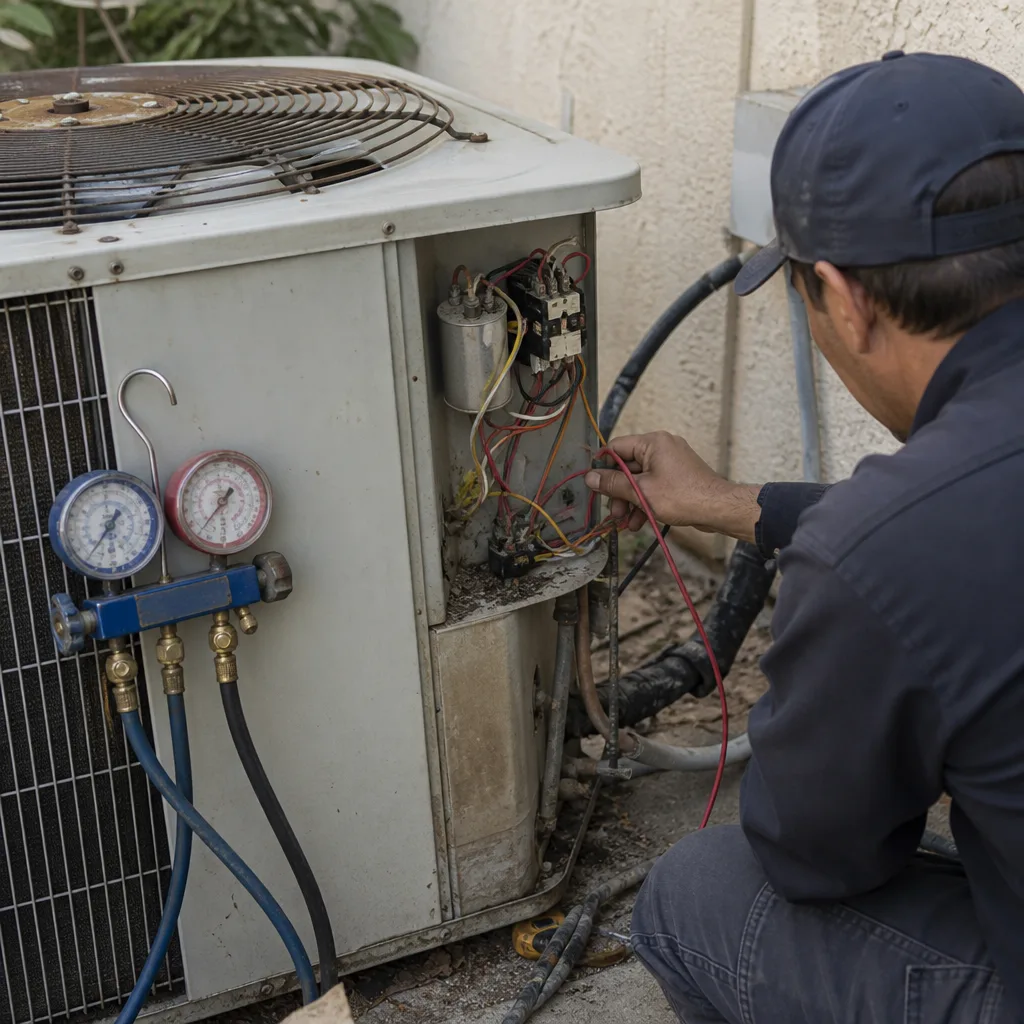 Before
 After
After Before
 After
After Before
 After
After