
Last updated October 16, 2026
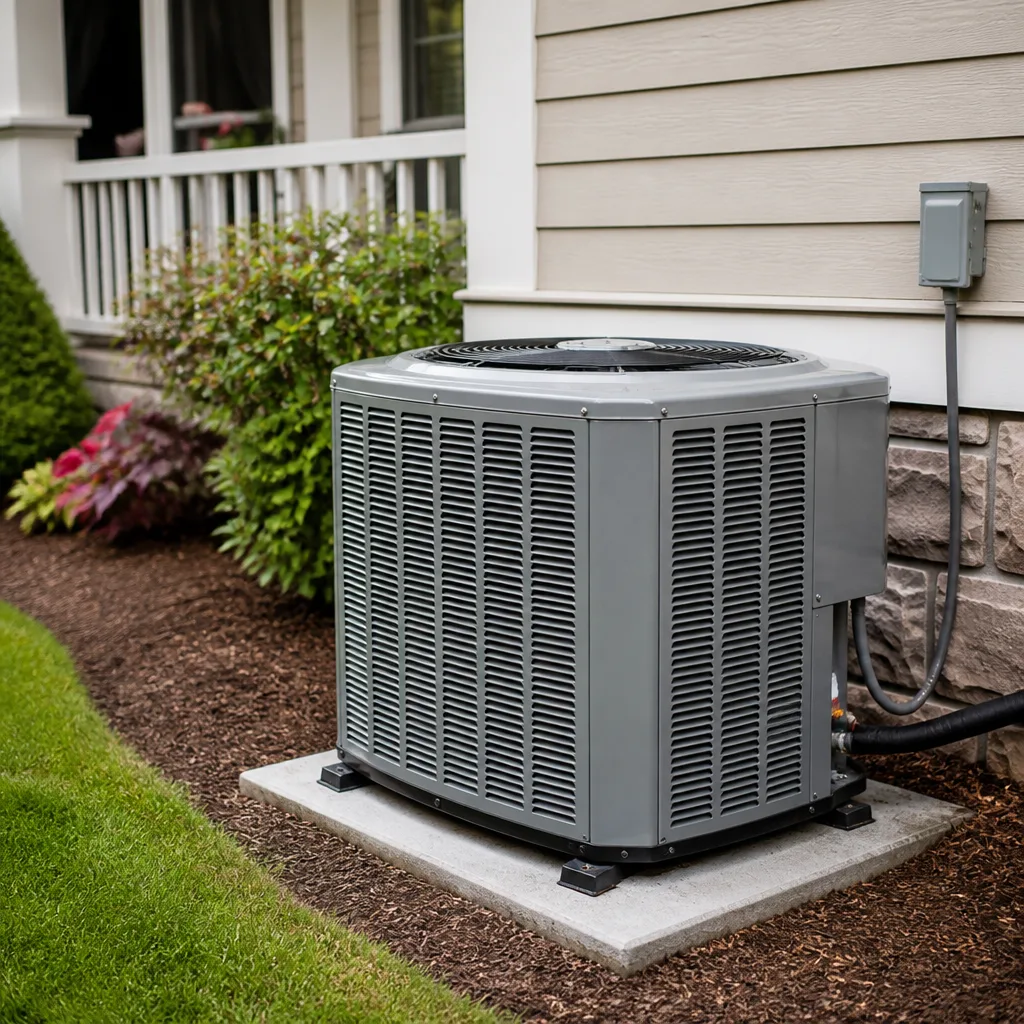 AC repair
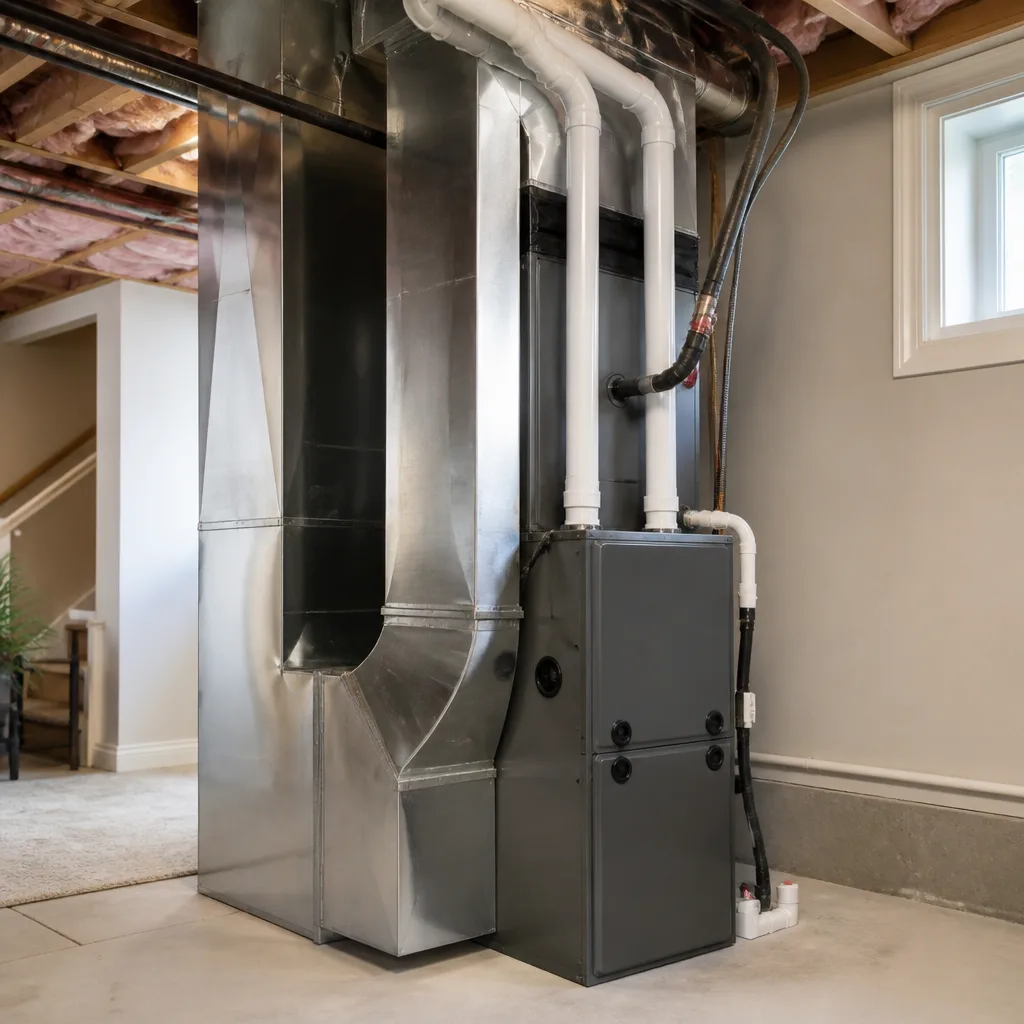 Furnace & heating
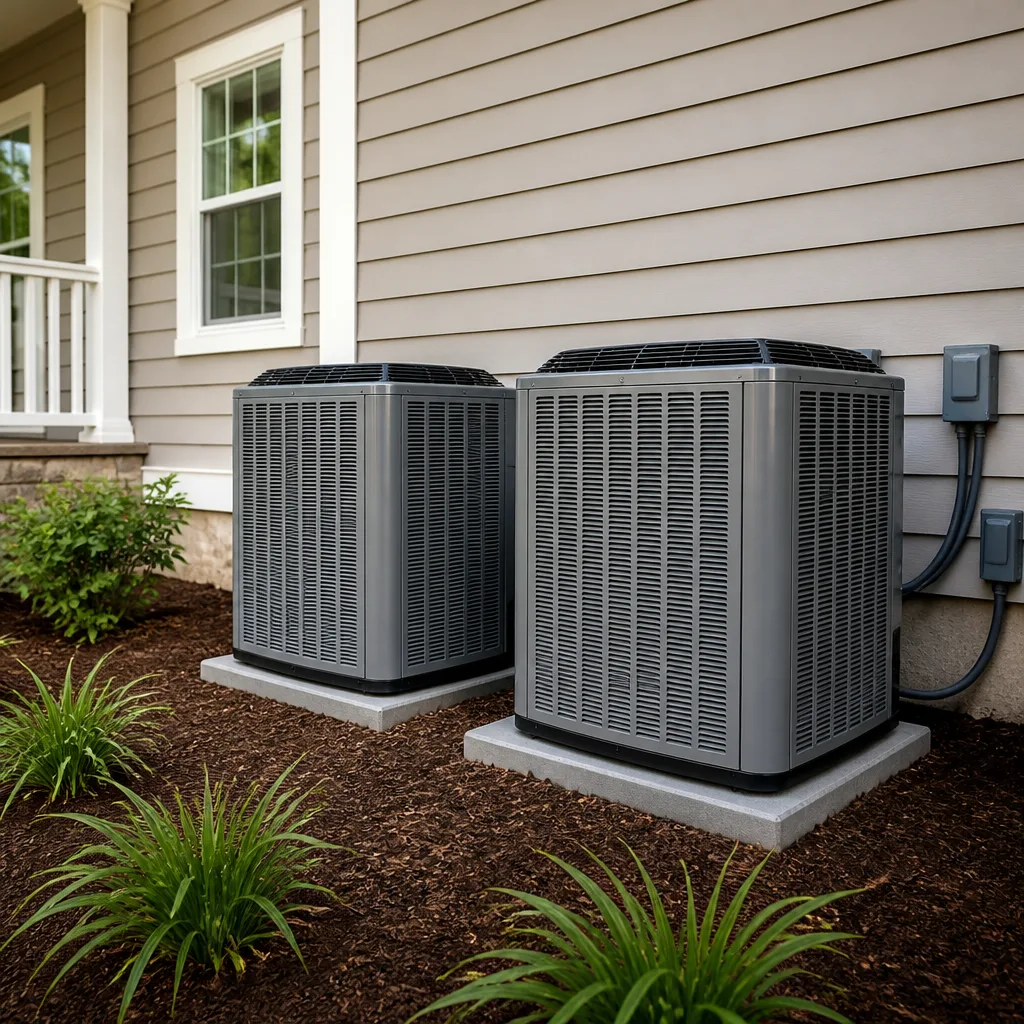 Heat pumps
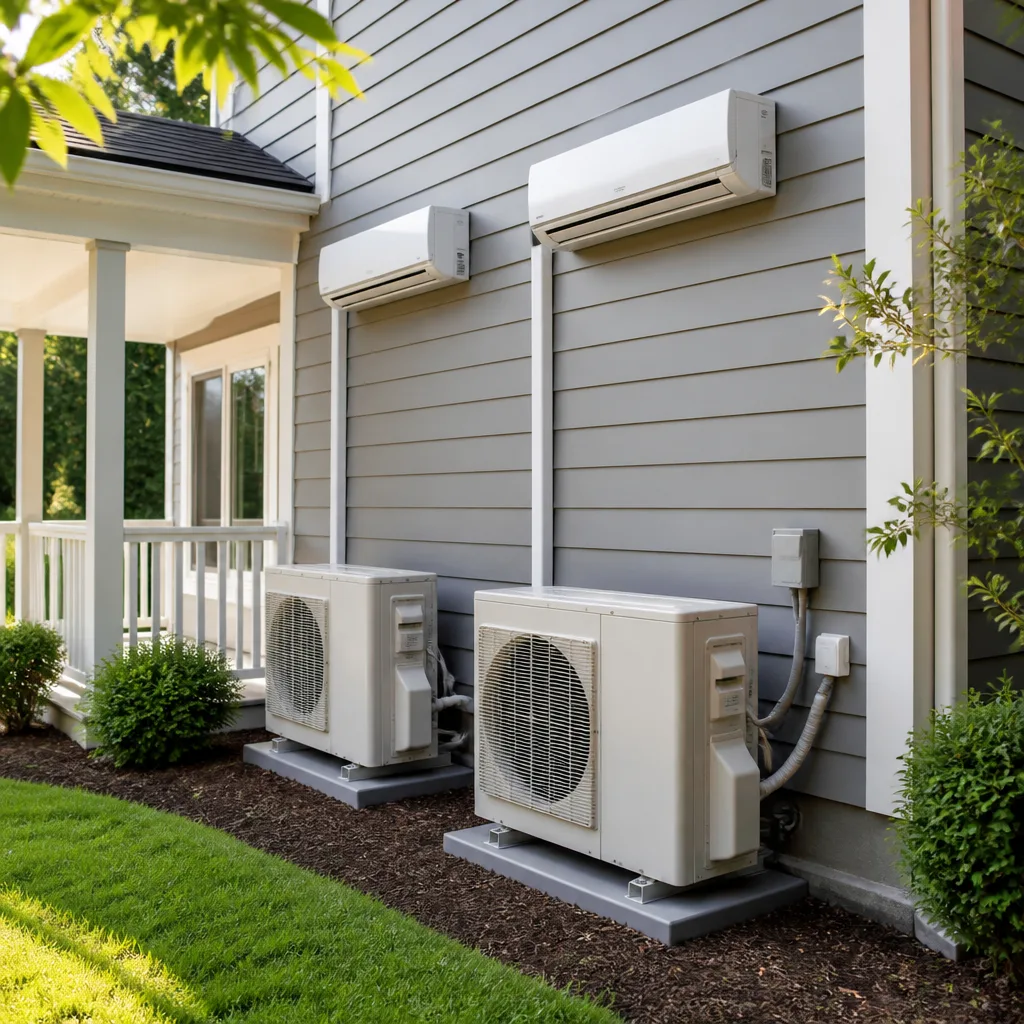 Ductless mini splits
 Carrier
 Trane
Trane Goodman
Seasonal tune-up and full diagnostic on your Carrier, Trane, or Goodman system - readings shown to you before any repair is proposed
Diagnosis first, numbers second - you approve the repair price before a single part goes in.
Get your free estimateSeasonal HVAC Care for Ventura: Year-Round Homeowner’s Guide
Ventura homeowners often say they barely use their HVAC system. Then the first Santa Ana wind event arrives, inland temperatures push into the mid-90s, and every AC unit in the neighborhood fires up simultaneously after sitting idle for six months. Systems that weren’t prepped for that load are the ones that fail on the hottest day of the year. Our complete guide to HVAC in Ventura breaks the mild climate into four distinct chapters: Santa Ana season, June Gloom, the mild coastal winter, and spring’s salt reset. You’ll learn exactly what to check, when to check it, and which tasks honestly require a technician.
Styles & brands we work with
Quick Answer
Seasonal HVAC care in Ventura means four things: prep your system in September before Santa Ana winds force a cold-start under peak load, manage June Gloom humidity and drain-pan moisture each spring, have your heat pump’s reversing valve and coils checked every winter even when nights feel mild, and clear coastal salt accumulation yearly regardless of how little the system ran. Most of this costs under $200 per season if caught early, and the alternative is a $400 – $1,800 repair (or a full replacement) on a day when every tech in the county is booked out-something our DIY vs professional HVAC guide can help you weigh.
Table of Contents
- Why Ventura’s “No Seasons” Climate Is Harder on HVAC Than It Looks
- Santa Ana Prep: September Checks Before the Wind Arrives
- June Gloom and the Humidity Problem Nobody Talks About
- Winter Heat Pump Care for Ventura’s Mild Nights
- Coastal Salt: The Year-Round Accumulation Most Guides Ignore
- A Practical 12-Month Ventura HVAC Calendar
- Common Mistakes to Avoid
- When to Call a Professional
- Frequently Asked Questions
- The Bottom Line
Why Ventura’s “No Seasons” Climate Is Harder on HVAC Than It Looks
Ventura’s coastal reputation creates a dangerous assumption: that mild weather means an easy life for HVAC equipment. The reality is more complicated. Our technicians at Brandt HVAC Co Ventura home see the same pattern every year. A system that runs lightly for months accumulates specific problems that only surface when demand suddenly spikes. It’s the cycling, not the running, that wears things down.
Here’s what actually happens to a Ventura HVAC system through the year:
- Long idle periods allow seals to dry and lubricant to settle. A compressor that sits for five months doesn’t magically spring back to life at the first heat wave. It needs a gradual re-start, not a cold-crank under full load.
- Humidity cycles stress electrical connections. June Gloom’s consistent damp followed by dry Santa Ana air causes expansion and contraction at terminals. Loose connections are the single most common failure we find on Ventura systems that “suddenly stopped working.”
- Salt fog deposits build even when the system sits off. A condenser unit sitting outside your home is exposed to coastal air every single day, whether it runs or not. Salt is an insulator that traps heat against coils and degrades aluminum fins.
- Condensate drains grow biofilm during damp, mild periods. The drain pan under your indoor coil is a perfect petri dish during months when the system runs just enough to get wet but not enough to flush itself clean.
The practical takeaway: a Ventura homeowner who does nothing for 11 months and then expects a clean cool-down in a September heat wave is asking a dormant system to sprint. Some systems do it. Many don’t. The ones that fail are predictably the ones that skipped the low-cost maintenance window in September or October.
Santa Ana Prep: September Checks Before the Wind Arrives
Santa Ana winds drive Ventura’s most demanding HVAC conditions. Air moves rapidly from the high desert, compresses and heats as it descends, and pushes coastal temperatures into the 90s or higher, often with single-digit humidity. For your HVAC system, this means maximum cooling demand at minimum humidity, a condition that’s actually harder on the system than the humid heat of the midwest or south.
Quick Answer: Prep your system in September by checking the capacitor, contactor, refrigerant levels, condensate drain, and air filter. These five checks-detailed in our AC Repair Maintenance Checklist for Ventura Homeowners-catch 80% of the failures that occur on the first hot Santa Ana day. Expect to pay $120 – $250 for a seasonal tune-up in Ventura, or do the filter and drain checks yourself and only call a technician for the electrical and refrigerant items.
Here’s the step-by-step sequence we recommend for Ventura homeowners in mid-to-late September:
- Replace or clean your air filter. A dirty filter forces the blower motor to work against a restriction, which draws more amperage and shortens motor life. For Ventura’s mild dust levels, a standard 1-inch filter should be replaced every 60 to 90 days during cooling season. If you have a 4-inch media filter, every 6 months is adequate.
- Check the condensate drain. Pour a cup of white vinegar down the condensate line at the indoor unit once a month during humid months. This prevents the biofilm that blocks drains and causes water damage at the unit.
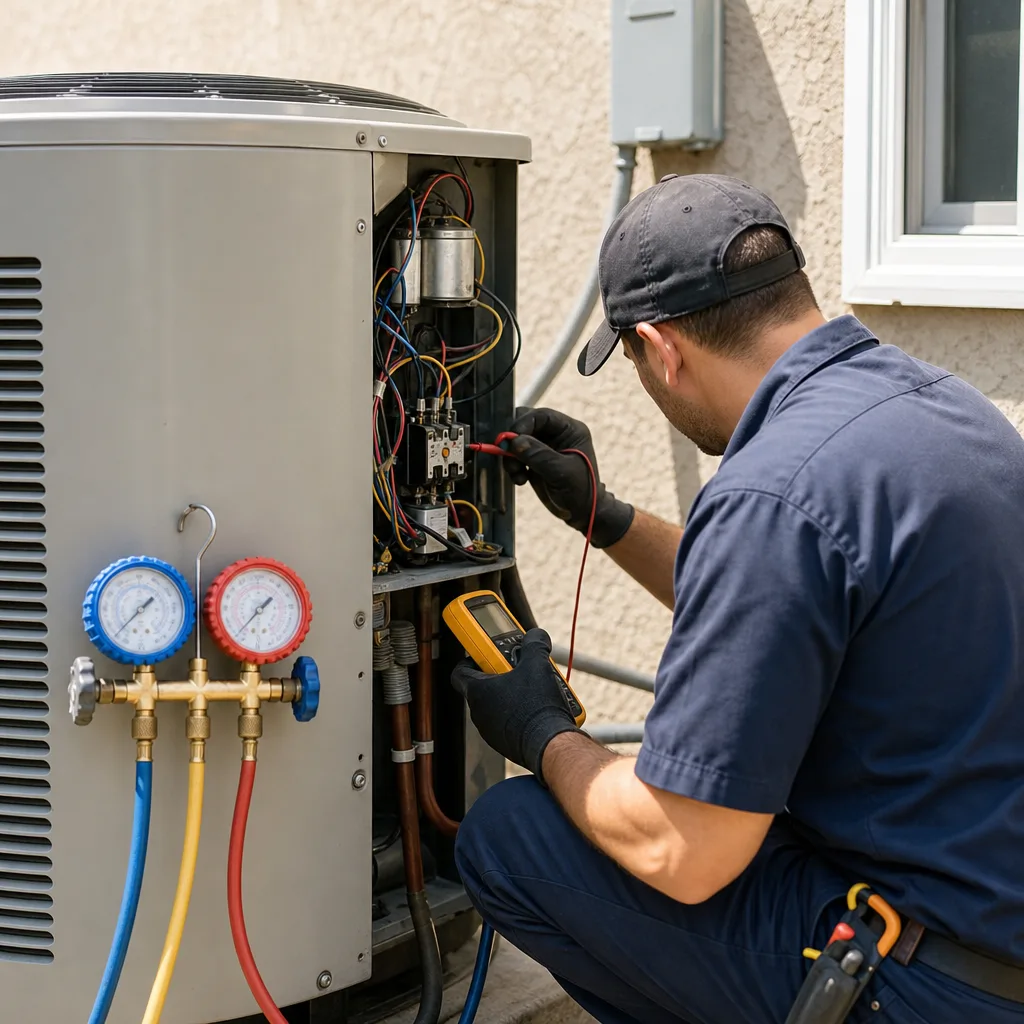
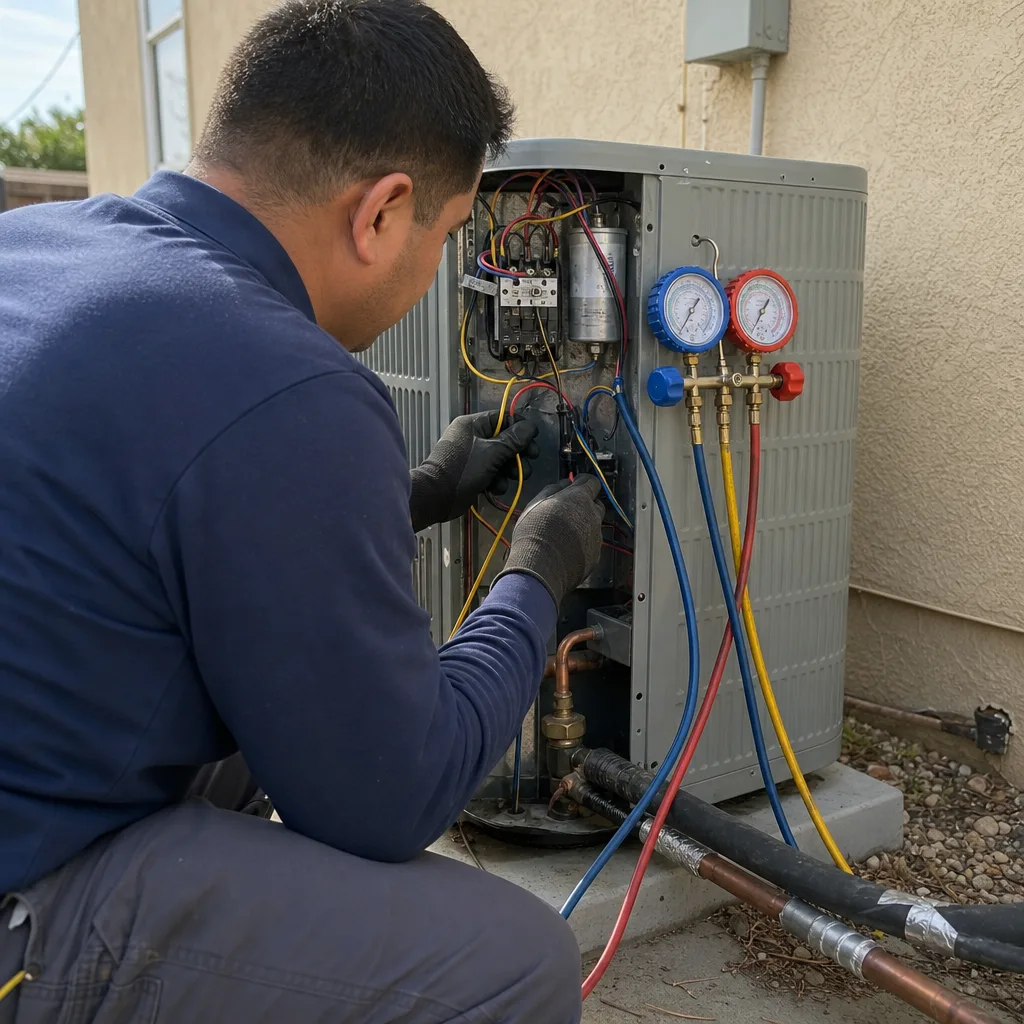
- Have a technician test the capacitor and contactor. These two electrical components are the unsung heroes (and most common failure points) of AC systems in Ventura. A capacitor that’s lost even 10% of its microfarad rating makes the compressor work harder. Testing takes 10 minutes with a multimeter and should happen every September.
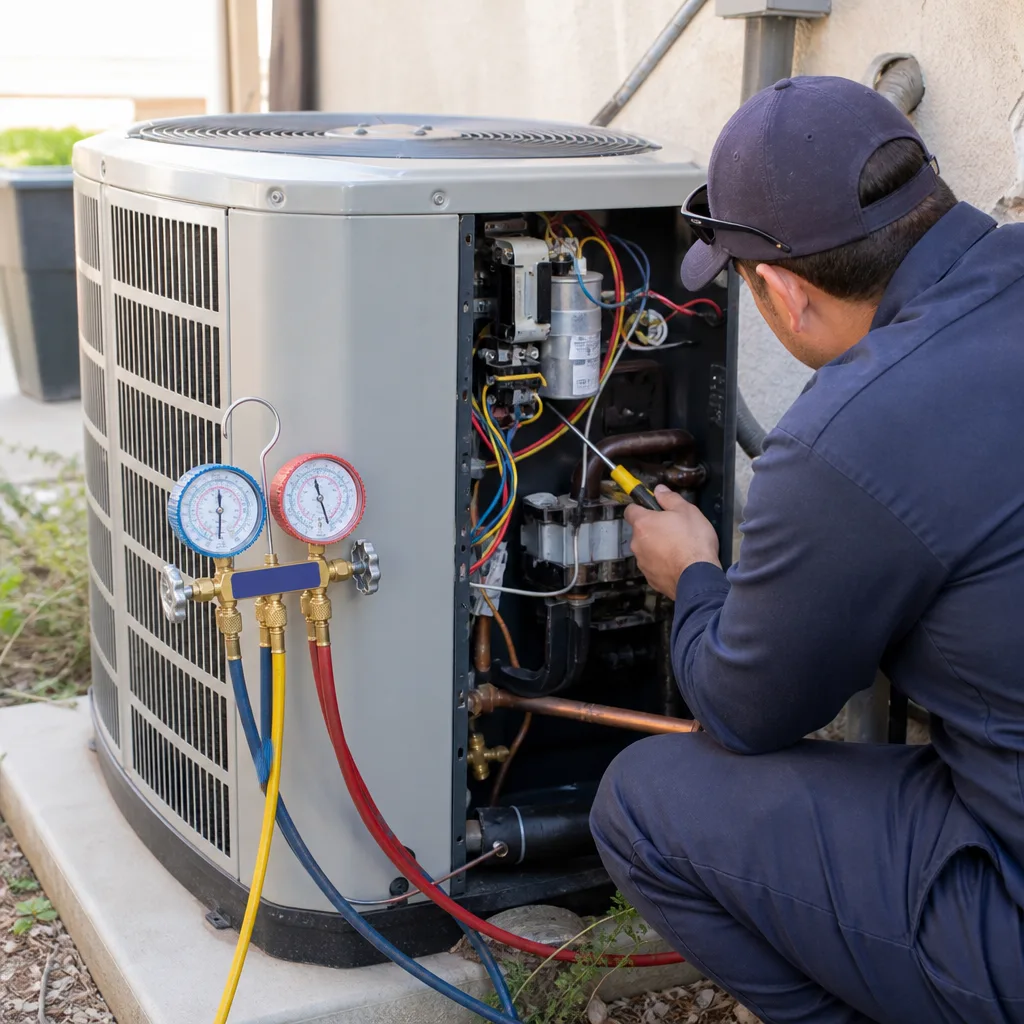
- Confirm refrigerant charge. Low refrigerant reduces cooling capacity and causes the system to run constantly on hot days. A tech checks this with gauges against the manufacturer’s specified subcooling or superheat numbers.
- Verify the thermostat’s schedule is set for the heat wave. Most Ventura thermostats are set to mild coastal comfort and aren’t ready for a 95-degree afternoon. Confirm your setpoint, but also make sure the system isn’t set to a schedule that creates a 10-degree recovery demand at 4 p.m., the peak grid load hour.
We’ve seen the difference between a prepped system and an unprepped one in Ventura’s midtown and east-end neighborhoods during September heat events. The prepped systems cool to 72 degrees by 2 p.m. The unprepped ones fail at 3 p.m. when every single unit in the zone is drawing maximum power and the grid voltage sags. The voltage sag is not your system’s fault, but a clean capacitor and tight connections are what allow a system to ride through it without damage.
If you’d rather have a technician handle all of this, our AC Maintenance in Ventura tune-up covers every item on this list, with a written report of what was found.
June Gloom and the Humidity Problem Nobody Talks About
Ventura’s June Gloom brings weeks of overcast mornings and 70% to 80% relative humidity, even when afternoon temperatures don’t crack 75 degrees. Homeowners rarely run their AC during this period because it feels cool enough. But the indoor coil is still getting wet every time the system does cycle, and that water sits in a dark, warm drain pan for hours. Perfect conditions for mold, algae, and bacteria.
Quick Answer: June Gloom’s high sustained humidity means your condensate drain pan stays wet for weeks at a time, which grows biofilm that eventually blocks the drain and backs water into your home, or sends microbial smell through your ducts. Check and clean the drain line every month during May through July in Ventura. If you smell mildew when the AC first kicks on, you already have buildup in the pan or on the coil.
Here’s what the sustained May – July humidity does to a Ventura system, even when the AC barely runs:
- Drain pan bio-growth. This is the big one. A drain pan that doesn’t fully dry for 4 to 6 weeks grows a slime layer. Eventually that slime sheds into the drain line and plugs it. The result is water overflowing the pan, damaging the air handler cabinet, the filter, and whatever is directly below the unit. Repair bills in Ventura for drain-related water damage typically run $300 – $900, and that doesn’t include drywall repair.
- Coil condensation on short cycles. When the AC runs for only 8 or 10 minutes at a time during mild June days, the coil gets wet but never runs long enough for water to sheet off and carry debris out of the drain. Instead, water beads and sits.
- Indoor air quality degradation. That damp environment on the coil and in the pan is exactly where biological growth starts. The next time the system runs for a longer stretch, that smell carries through the ducts and into the living space.
- Electrical corrosion. Sustained humidity in the air handler cabinet or furnace closet accelerates corrosion on control boards, terminals, and the blower motor’s windings. It’s not just an air quality issue; it’s a reliability issue.
Here’s a simple June through August sequence to keep things clean:
- At the first June Gloom stretch (early June): Run the AC in fan-only mode for 60 minutes during the afternoon on two or three consecutive days. This moves dry afternoon air through the coil and pan, helping evaporate accumulated moisture.
- Monthly (June, July, August): Pour 1 cup of white vinegar down the condensate drain line at the indoor unit. Vinegar dissolves early biofilm without damaging the PVC drain or the coil. Avoid bleach, which can corrode the aluminum coil fins and crack PVC fittings over time.
- Every 6 weeks during humid months (June through early September): Inspect the area around the indoor unit for any water staining, swelling, or mineral deposits. These are early indicators that the drain is partially blocked even if you don’t yet see a puddle.
- If you smell mildew on startup: Shut the system off and call a technician. A coil and pan cleaning in Ventura runs $200 – $400, and it’s the cheapest point in the timeline to fix this problem. The next stage involves water damage, and that’s never cheaper.
Furnace-based systems in older Ventura homes, especially the 1970s-era track housing in areas near the Avenue and midtown, have drain pans that are smaller and more prone to overflow. If your system is original to the house or was installed before 2005, the margin for error on drain maintenance is thinner. Be diligent.
Winter Heat Pump Care for Ventura’s Mild Nights
Many Ventura homes use heat pumps for heating, not furnaces. And because winter nights in Ventura rarely drop below 45 degrees, homeowners assume the heat pump has an easy life. It doesn’t. Heat pumps work by reversing the flow of refrigerant to bring heat from outside air into the home. The reversing valve, the component that flips that flow, is the single most common heat pump failure we see in Ventura, and it fails during mild weather exactly as often as during cold snaps.
Quick Answer: A heat pump in Ventura should have its reversing valve, outdoor coil, defrost cycle, and refrigerant charge checked every winter, even on mild years. Mild nights between 45 and 60 degrees actually produce more defrost cycles than colder nights in some systems, because the coil temperature hovers right around the frost threshold and the system repeatedly enters and exits defrost mode. That cycling wears the reversing valve and contactor faster than steady cold weather would. An annual heat pump inspection in Ventura runs $120 – $250, and a failed reversing valve is a $600 – $1,200 repair.
Here’s what a technician should check on your Ventura heat pump every winter, and why it matters even when the weather is pleasant:
- Reversing valve operation. The tech should cycle the system from heat to cool and back, listening for the distinctive “whoosh” of the valve shifting, and confirming the system actually changes mode. Sticky or slow valve operation is a warning sign that failure is coming.
- Defrost cycle function. In heat mode, the outdoor coil naturally runs colder than the outside air. When it gets cold enough, frost forms. The defrost cycle briefly runs the system in cooling mode to melt that frost. A technician should verify the defrost thermostat and defrost control board are working, because a failed defrost cycle leaves a block of ice on the coil, and a Ventura system that ices up in 50-degree weather has a genuine problem.
- Outdoor coil cleanliness. Heat pumps pull heat from outside air through the outdoor coil. A coil that’s coated in salt, dirt, or cottonwood fluff absorbs less heat, which makes the system run longer to hit the thermostat setpoint. For Ventura homes near cottonwood trees or within half a mile of the coast, this cleaning should be annual, not “eventually.”
- Refrigerant charge in heat mode. Heat pumps are more finicky about refrigerant charge in heat mode than in cooling mode. A system that cooled fine all summer can be 15% undercharged in heat mode and run inefficiently all winter. Charge should be verified against the manufacturer’s charging chart in heat mode, not just cooling mode.
- Auxiliary heat strip operation. Most Ventura heat pumps have electric resistance heat strips that act as backup. They should energize on a call for second-stage heat and de-energize when the heat pump catches up. A stuck relay on a heat strip means you’ll get a $400 surprise on your January electric bill without ever feeling a difference in comfort.
If your heat pump runs on a system older than 10 years, or if you’ve never had the reversing valve checked, this winter is the time. Our Furnace Repair in Ventura diagnostics also cover heat pumps in heating mode, including the reversing valve behavior described above.
Coastal Salt: The Year-Round Accumulation Most Guides Ignore
Ventura’s salt air is not a summer problem. It’s a 365-days-a-year process that deposits a fine, nearly invisible film on everything metal outside your home, including your condenser coil, fins, cabinet, and electrical connections. The worst of it settles during the foggy mornings and offshore breeze patterns that characterize Ventura’s climate from March through August. But it accumulates every month.
Quick Answer: Coastal salt in Ventura coats outdoor condenser coils and electrical terminals year-round, acting as an insulator that reduces heat transfer and as a conductor that accelerates corrosion. Rinse the outdoor unit with a garden hose every 60 days, and have a technician perform a coil and terminal cleaning every spring, even if the system ran very little. A salt-clogged coil can raise cooling costs by 15 – 20% and shorten compressor life by years.
The salt problem affects different parts of your system in different ways:
- Coil fins and tubing. Salt crystals embedded in the coil’s aluminum fins trap heat. The condenser has to work harder to reject the same amount of heat from your home. That means higher electric bills during every cooling season, and more run time, which means more wear on the compressor.
- Electrical terminals and contactors. Salt is an electrolyte. When moisture from fog or marine layer condenses on salt-covered terminals, you get slow, steady electrochemical corrosion. The result is resistive connections that get hot under load, and eventually fail. This is why many Ventura AC failures happen not during the hottest day, but during the first day of high load after a foggy, damp period.
- Cabinet and fasteners. The painted steel cabinet of your outdoor unit is not immune. Salt works its way into scratches, bolt threads, and the edges of the cabinet, eventually rusting through. A rusted condenser cabinet doesn’t just look bad, it exposes internal components to even more salt and moisture.
- Wiring connections. The low-voltage wiring that connects your thermostat to the condenser runs outside the line set. Corroded connections at the condenser’s terminal strip are a common source of intermittent “the AC just clicks and doesn’t start” calls in coastal Ventura neighborhoods.
The practical rhythm for coastal Ventura homeowners:
- Every 60 days, year-round: Garden-hose rinse of the outdoor unit. Spray from the inside out on the coil fins, and from the top down on the cabinet. Use a soft stream, not a pressure washer. Do this in the morning when the unit is cool and the power has been off for at least 30 minutes.
- Every spring (March or April): Have a technician open the cabinet, inspect and clean the coil deeply, and treat or replace any corroded terminals. This is the single most important annual task for Ventura HVAC systems within a mile of the coast.
- After any Santa Ana event: Check for debris blown against the coil, including leaves, dust, and salt. A quick rinse after wind events removes abrasive salt-laden dust before it cements onto the fins.
If your system is a Bryant, Carrier, Trane, or American Standard heat pump or AC installed near the coast, the maintenance schedule in the owner’s manual assumes a typical inland environment. For Ventura’s salt air, the real-world cadence is every 60 days for a rinse, not the “annually” many manuals suggest.
A Practical 12-Month Ventura HVAC Calendar
For more guides & resources, here’s a month-by-month calendar you can print and tape to the inside of a garage cabinet door. Tasks marked DIY take 10 minutes and require only a garden hose and a flashlight. Tasks marked TECH require a licensed HVAC technician. Prices are Ventura market ranges for 2026.
January
- DIY: Check the air filter. Replace if visibly dirty or if it’s been 90 days since last replacement.
- DIY: Walk around the outdoor unit. Look for debris, leaves, or salt film. Rinse with a garden hose if the weather is clear.
- TECH: If you have a heat pump, schedule the reversing valve and defrost cycle check now before any cold snap. $120 – $250.
February
- DIY: Pour 1 cup of white vinegar down the condensate drain at the indoor unit.
- DIY: Check the thermostat batteries if your thermostat has them. Low batteries cause erratic behavior and “ghost” cycling.
- TECH: If your system is older than 12 years, consider a full system inspection now, ahead of summer demand. $150 – $300.
March
- DIY: Spring salt rinse: clear the area around the outdoor unit, then hose it down thoroughly. Remove any vegetation growing within 18 inches of the unit.
- TECH: Annual coil and terminal cleaning for coastal Ventura homes. This is the single most important spring task. $150 – $300.
- DIY: Inspect the exterior line set insulation for cracks, gaps, or UV damage. Exposed copper lines lose efficiency.
April
- DIY: Replace the air filter if not done in January.
- DIY: Test the system: set the thermostat to cooling, 5 degrees below room temp, and let it run for 20 minutes. Confirm cold air at the vents and no unusual sounds.
- TECH: If the test run reveals warm air, weak airflow, or odd noises, schedule a diagnostic now, before the first heat event. Diagnostic visits in Ventura run $80 – $150, usually credited toward repairs.
May
- DIY: Begin monthly vinegar down the condensate drain. June Gloom starts this month in Ventura and drain problems follow within weeks.
- DIY: Check window and door seals around the home. Air leaks make the AC work harder and create humidity entry points.
- DIY: Clear anything that’s grown near the outdoor unit since March. Keep a clear 18-inch radius.
June
- DIY: Run the fan-only setting for 60 minutes each afternoon during peak June Gloom weeks to dry the coil and pan.
- DIY: Replace the air filter if not done in April. Humidity means the filter is working harder.
- TECH: If you smell mildew on first cooling, schedule a coil and pan cleaning. $200 – $400.
July
- DIY: Vinegar down the condensate drain, second month in a row.
- DIY: Rinse the outdoor unit after any windy or foggy stretch.
- DIY: Check the thermostat setpoint. If you’re cooling to 68 degrees on an 80-degree Ventura day, the system is running harder than necessary. 74 – 76 is the sustainable sweet spot for coastal comfort.
August
- DIY: Final vinegar run of the summer. Check for any water staining around the indoor unit.
- DIY: Replace the air filter. This is the third replacement of the year if you’re on the 90-day cadence.
- TECH: If the system has run heavily during any heat events, consider a mid-season check. Not required for every system, but wise for units older than 8 years.
September
- DIY: Begin Santa Ana prep. Replace the air filter. Rinse the outdoor unit. Clear debris from around the unit.
- TECH: Seasonal tune-up: capacitor test, contactor inspection, refrigerant check, thermostat verification. $120 – $250. This is the most important scheduled service of the year for Ventura AC systems.
- DIY: Set the thermostat so the system runs in short cycles on cooler mornings to keep lubricant distributed before the heat arrives.
October
- DIY: Watch the forecast for the first Santa Ana event. The day before, run the AC for 60 minutes in the afternoon to confirm everything is working.
- DIY: If you have a heat pump, switch the thermostat to heating mode briefly and confirm warm air at the vents. Switch back if not ready for heat season.
- TECH: If the test run reveals any problem, call now. Once the heat event hits, every tech in Ventura is booked out.
November
- DIY: Replace the air filter if not done in September.
- DIY: Final garden-hose rinse of the outdoor unit before winter. Remove any accumulated leaves or salt.
- DIY: If you have a furnace, test the heating cycle: set the thermostat to heat, 5 degrees above room temp, and run for 20 minutes. Confirm warm airflow at every vent.
December
- DIY: Check the CO detector battery if your home has a furnace. This is a safety item, not an HVAC comfort item.
- DIY: Review the year: did the system cycle on and off more than usual? Did it run longer than expected during heat events? Changes in runtime patterns are early indicators of developing problems.
- TECH: If runtime patterns changed or electric bills were notably higher than the same month last year, schedule a diagnostic now. A January diagnostic beats an August emergency.
Common Mistakes to Avoid
- Skipping the September tune-up because “the AC ran fine all summer.” The September tune-up is not about fixing what’s broken. It’s about preparing the system for the hardest load it will face all year. Ventura systems that “ran fine” in mild coastal summer conditions fail under Santa Ana load because the capacitor and contactor were marginal all along.
- Ignoring the condensate drain during June Gloom because “it’s not hot enough to run the AC.” That’s exactly the season when the drain is most likely to grow biofilm and clog. The system doesn’t need to run much for the pan to stay wet. Dry spells are what prevent the problem, and June Gloom has no dry spells.
- Assuming a heat pump’s mild winter means no maintenance. Mild winters produce the exact conditions that stress a heat pump’s reversing valve and defrost cycle the most. The valve and defrost components wear out from cycling, not from extreme cold. Schedule the check even on a “boring” winter.
- Ignoring salt buildup because the unit “looks fine from 20 feet away.” Salt accumulation is visible on close inspection, not from across the yard. The discoloration on the coil fins, the whitish powder on terminals, the rust starting at the cabinet edges, all of it is visible if you look. Most Ventura homeowners never look until the system fails.
- Running the thermostat on a 10-degree setback during Santa Ana events. A system that has to recover 10 degrees at 4 p.m. is drawing maximum power at the same moment as the entire neighborhood. This is when a marginal capacitor fails. Set a 5-degree setback, or use a smart thermostat that pre-cools gradually in the late morning.
- Believing a clean air filter is the only maintenance a Ventura system needs. Filters are important, but they address airflow, not electrical health, refrigerant charge, drain function, or coil cleanliness. A system with a fresh filter can still fail because of a 3-year-old salt-caked condenser coil or a worn capacitor.
- Waiting until the first hot day to test the AC. The first hot day in Ventura is the day every tech is slammed with calls from homeowners who did exactly this. Test the system in April or early May, not during the first heat wave. If there’s a problem, you’ll get a same-week appointment instead of waiting 5 days without cooling.
When to Call a Professional
Some tasks on this calendar are DIY. Most of the important ones are not. If you hear a buzzing sound from the outdoor unit but the fan isn’t spinning, that’s a failed capacitor, and continuing to run the system will damage the compressor. If you see water pooling around the indoor unit, the drain is blocked, and every hour it stays blocked is an hour of water damage risk. If the AC is running but blowing warm air, you may have a refrigerant leak, which requires specialized tools and EPA certification to address. If the reversing valve on your heat pump isn’t shifting, you’ll notice the system blowing cold air in heat mode, and that’s a $600+ component you don’t want to guess about.
Brandt HVAC Co Ventura offers free estimates in Ventura. Call (831) 539-0291 and a live person answers, 24 hours a day. Every job starts with a written price before any work begins, and every repair includes a written guarantee.
Frequently Asked Questions
A seasonal tune-up in Ventura typically runs $120 – $250 for a standard AC or heat pump check, including capacitor testing, contactor inspection, condensate drain clearing, and a refrigerant level check. Coastal salt cleaning or coil cleaning runs $150 – $300 as a separate service. Full system inspections for older equipment run $150 – $300. Most Ventura techs offer a maintenance plan that bundles two visits (spring and fall) for $180 – $350 per year, which is typically cheaper than paying per-visit. Call (831) 539-0291 and we’ll give you a written quote over the phone before we ever step foot on your property.
Yes. Ventura’s mild climate creates exactly the conditions that make annual maintenance important: long idle periods, humidity cycles, and salt accumulation. A system that sits for months and then cold-starts under Santa Ana load is under more stress than a system that runs steadily through a hot inland summer. The maintenance is cheap insurance. A $200 tune-up catches a worn capacitor before it fails on a 95-degree day, when the repair call costs $300 – $500 and you wait days for service. For heat pump owners, annual reversing valve checks catch failures before the valve fully seizes. Call (831) 539-0291 for an exact maintenance quote in Ventura.
Repair makes sense when the system is under 10 years old and the repair cost is less than 40% of a replacement’s cost. For Ventura systems older than 12 years, especially those with salt corrosion on the coil or cabinet, replacement often makes more financial sense when the repair quote exceeds $1,000. A new system in Ventura runs $8,000 – $16,000 installed, depending on efficiency tier and brand (Carrier, Trane, Bryant, and American Standard all have strong local support). The break-even on a high-efficiency replacement in coastal Ventura is typically 8 – 12 years, factoring in lower utility bills and fewer repairs. We give honest repair-vs-replace recommendations with written pricing for both paths so you can decide without sales pressure. Call (831) 539-0291 for a straight answer.
Rinse the outdoor unit with a garden hose every 60 days year-round if you live within a mile of the coast in Ventura. Have a technician perform a deep coil and terminal cleaning every spring, ideally in March or April. Salt accumulation in Ventura is continuous, not seasonal, and the film it leaves on coil fins acts as an insulator that forces the system to work harder and run longer. A salt-caked coil can raise cooling costs 15 – 20% and significantly shorten compressor life. The garden-hose rinse is a good stopgap, but only a deep cleaning with proper coil cleaner and fin care restores full heat transfer. Call (831) 539-0291 to schedule a spring coil cleaning in Ventura.
Santa Ana prep includes a capacitor test, contactor inspection, refrigerant charge verification, condensate drain clearing, thermostat schedule review, and air filter replacement. These six items catch the failures we see most consistently on the first hot day of a Santa Ana event in Ventura. The service runs $120 – $250 and takes 45 to 90 minutes. The goal is to confirm the system can handle full cooling load before the demand spike hits, not after. Systems that prepped in September are dramatically less likely to fail during the first 95-degree afternoon in October. Call (831) 539-0291 to schedule your Santa Ana prep.
That smell is biological growth on the indoor coil or in the drain pan, caused by Ventura’s June Gloom humidity cycle. When the system sits in damp, mild conditions for weeks, the coil and pan never fully dry, and mold or bacteria grow. The smell is most noticeable when the system first starts because that’s when air moves across the growth and carries the odor into your living space. The fix is a coil and pan cleaning, which runs $200 – $400 in Ventura, followed by monthly vinegar treatments down the condensate drain to prevent recurrence. If you smell burning not mildew, shut the system off immediately and call (831) 539-0291.
The Bottom Line
Ventura’s mild climate is a trap. It lulls homeowners into thinking their HVAC system has an easy life, when in reality the long idle periods, sustained June Gloom humidity, Santa Ana load spikes, and year-round salt accumulation combine to create a specific set of failure patterns that other climates don’t see. The fix is not complicated: a March coil cleaning, a September tune-up, monthly drain treatment during humid months, an annual heat pump check in winter, and a 60-day garden-hose rinse year-round. Altogether, that’s about $300 – $500 per year in maintenance for most Ventura systems. The alternative is a $400 emergency call on a 95-degree day when every tech in the county is booked solid, and nobody wants that. We’d rather see you in September than in the middle of a Santa Ana event. Call (831) 539-0291 and we’ll get the maintenance on the calendar. Written quote before any work, guaranteed.
Written by Devin Marlowe, Owner at Brandt HVAC Co Ventura, serving Ventura since 2003.
See the difference
 Before
 After
After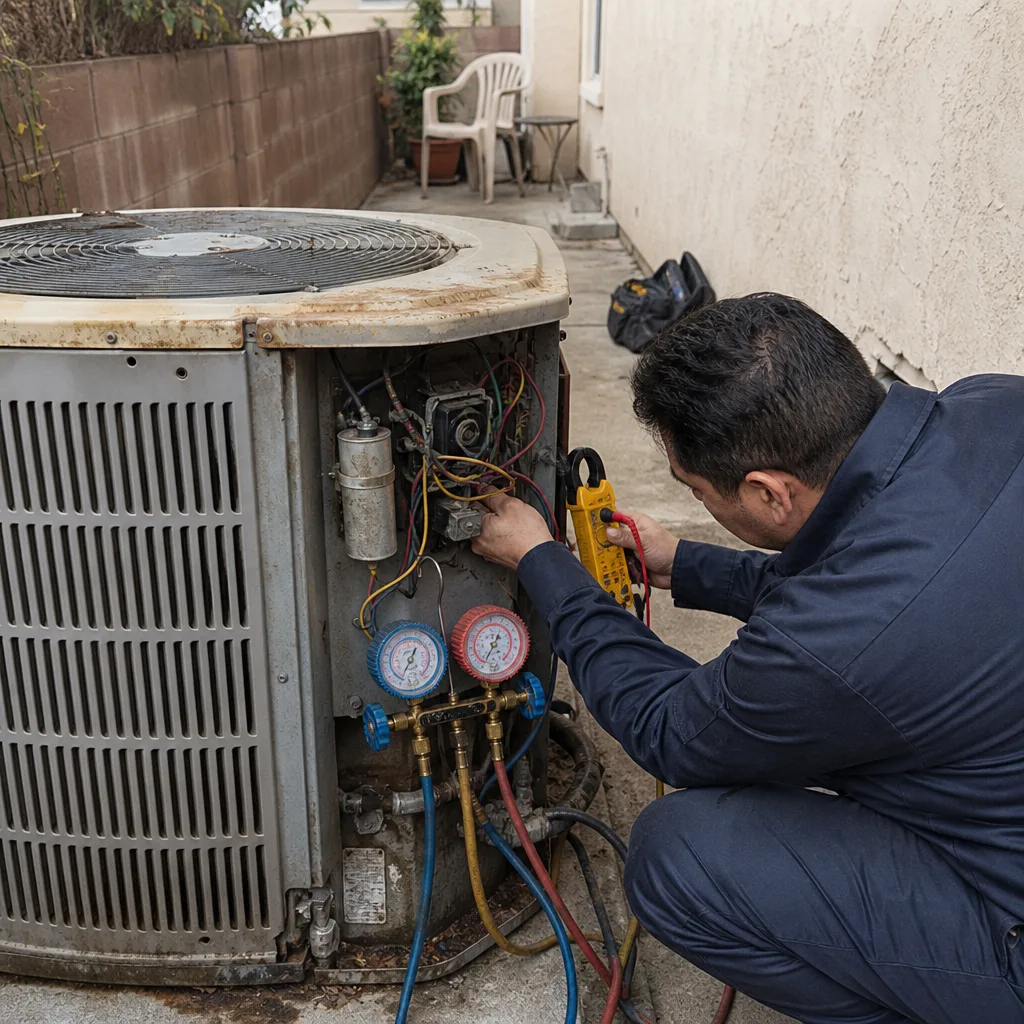 Before
 After
After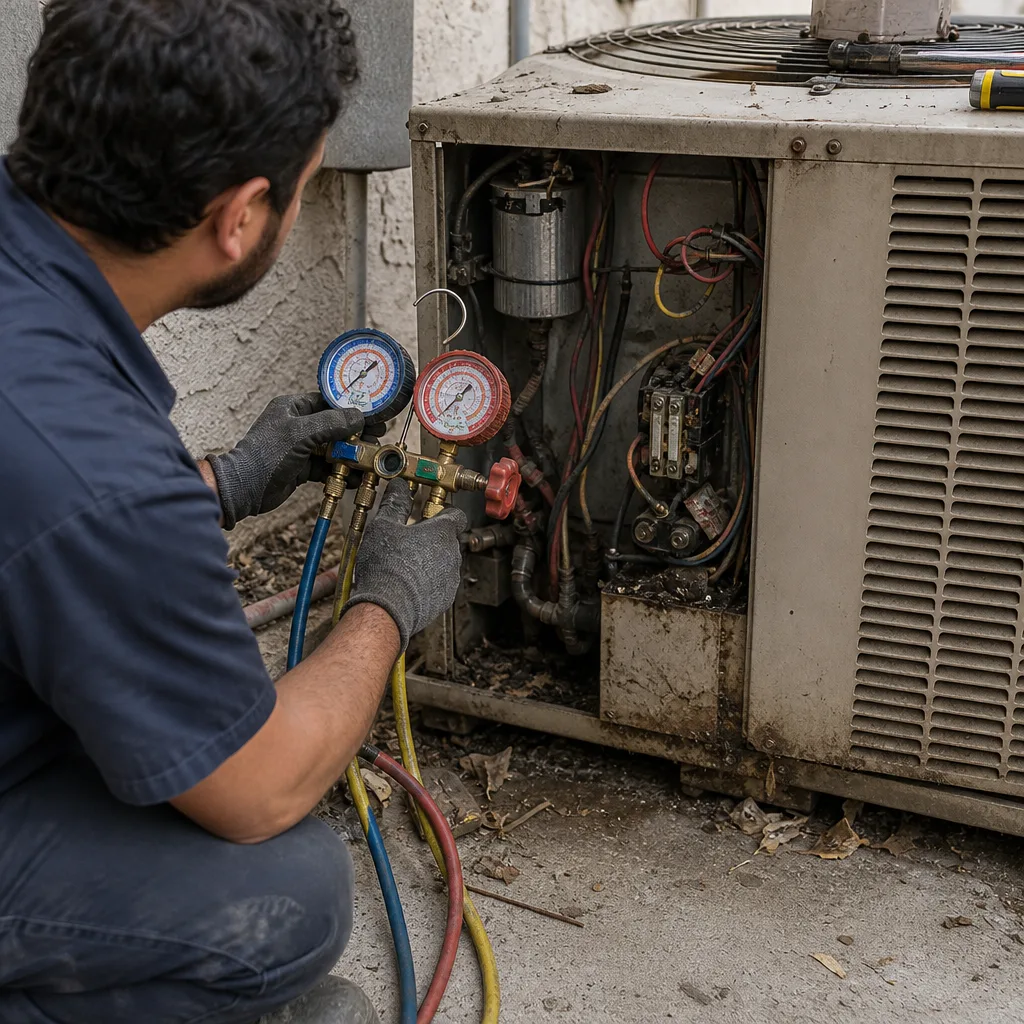 Before
 After
After