
Last updated October 16, 2026
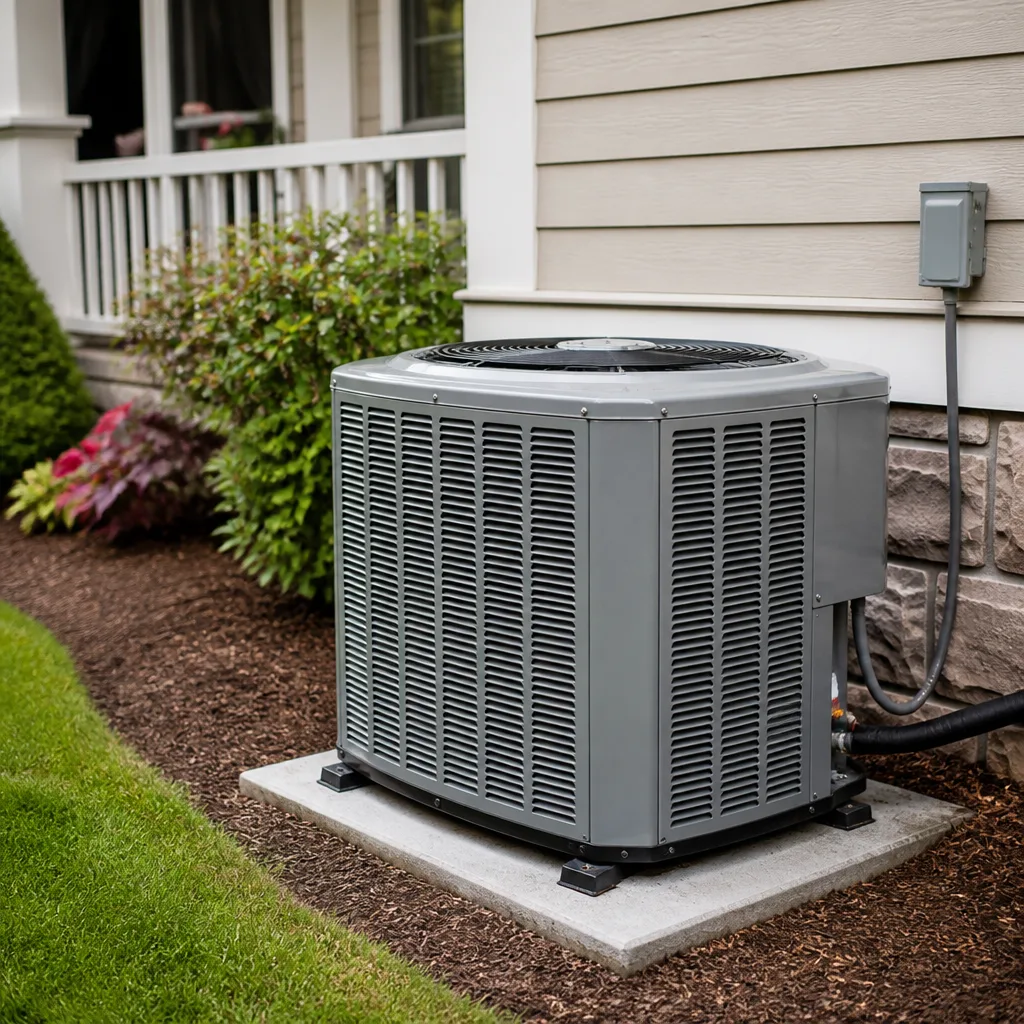 AC repair
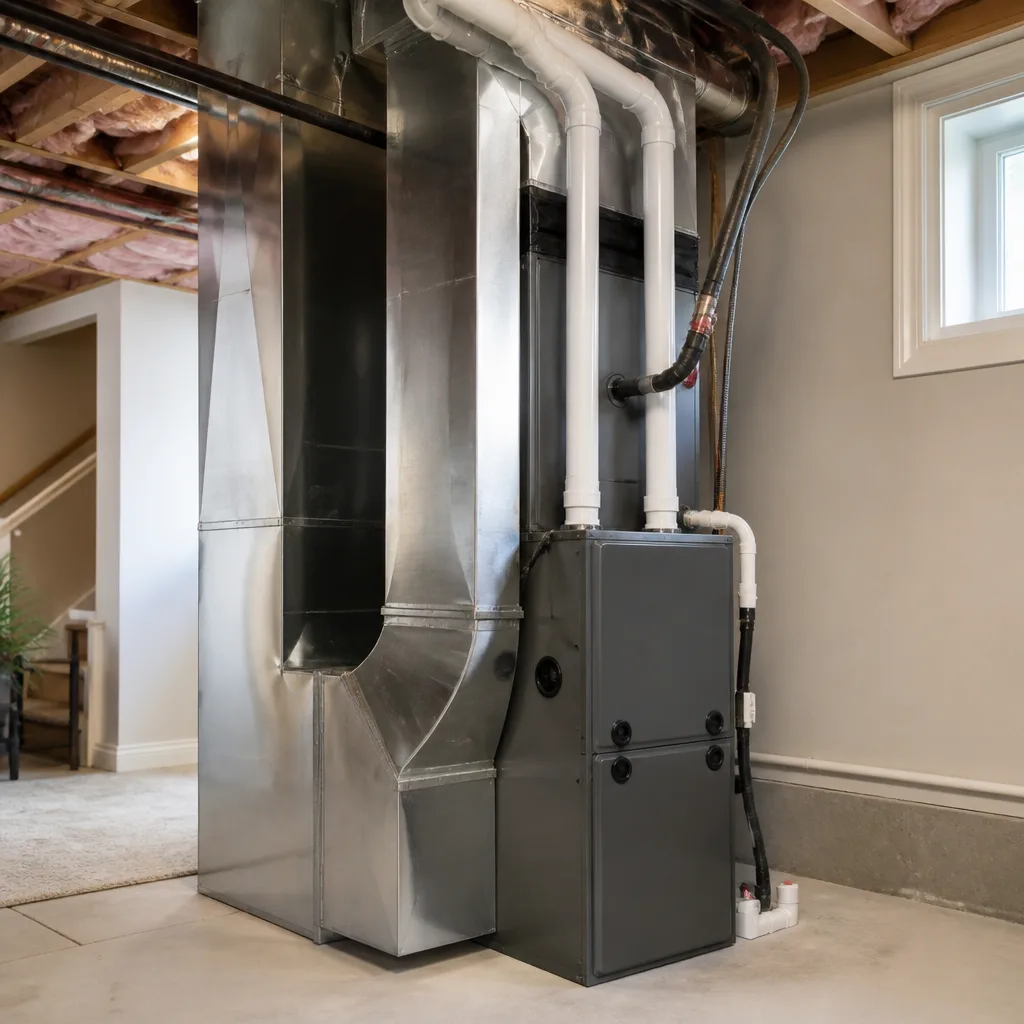 Furnace & heating
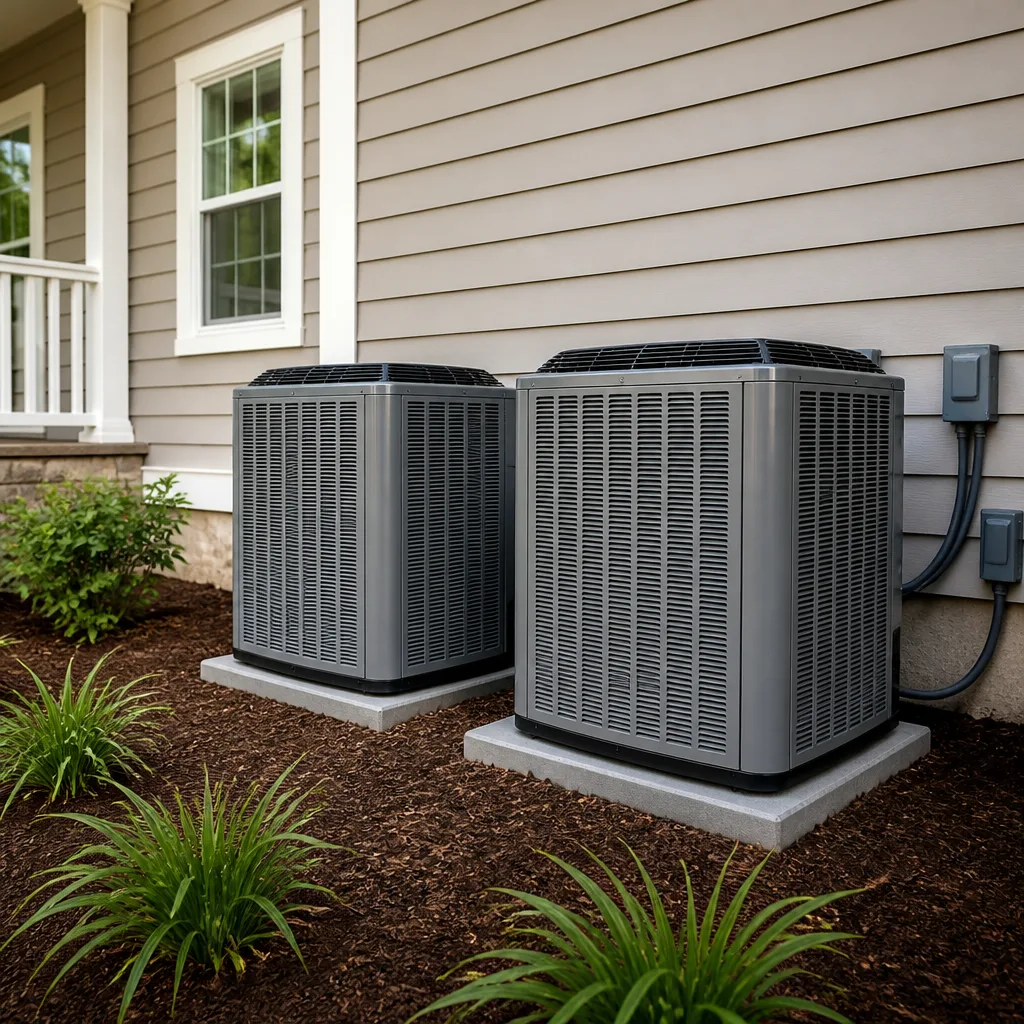 Heat pumps
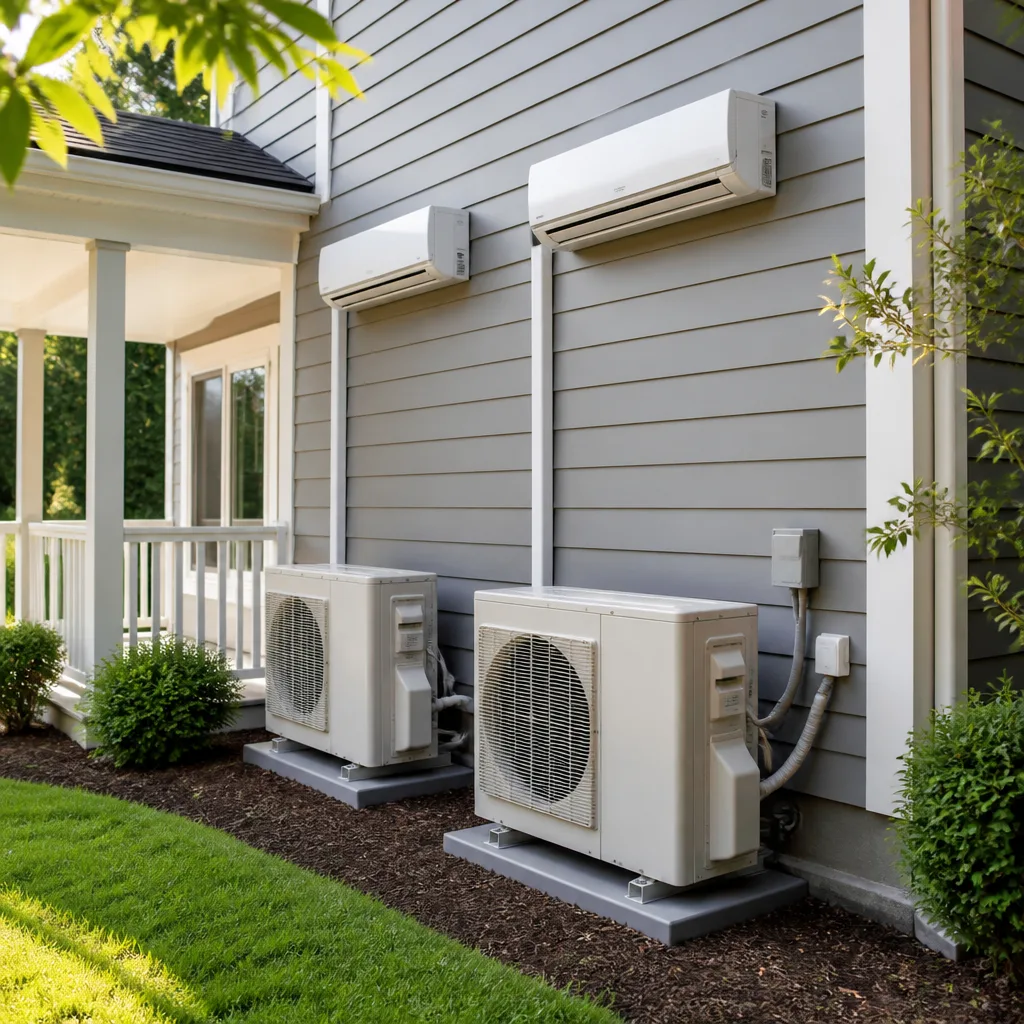 Ductless mini splits
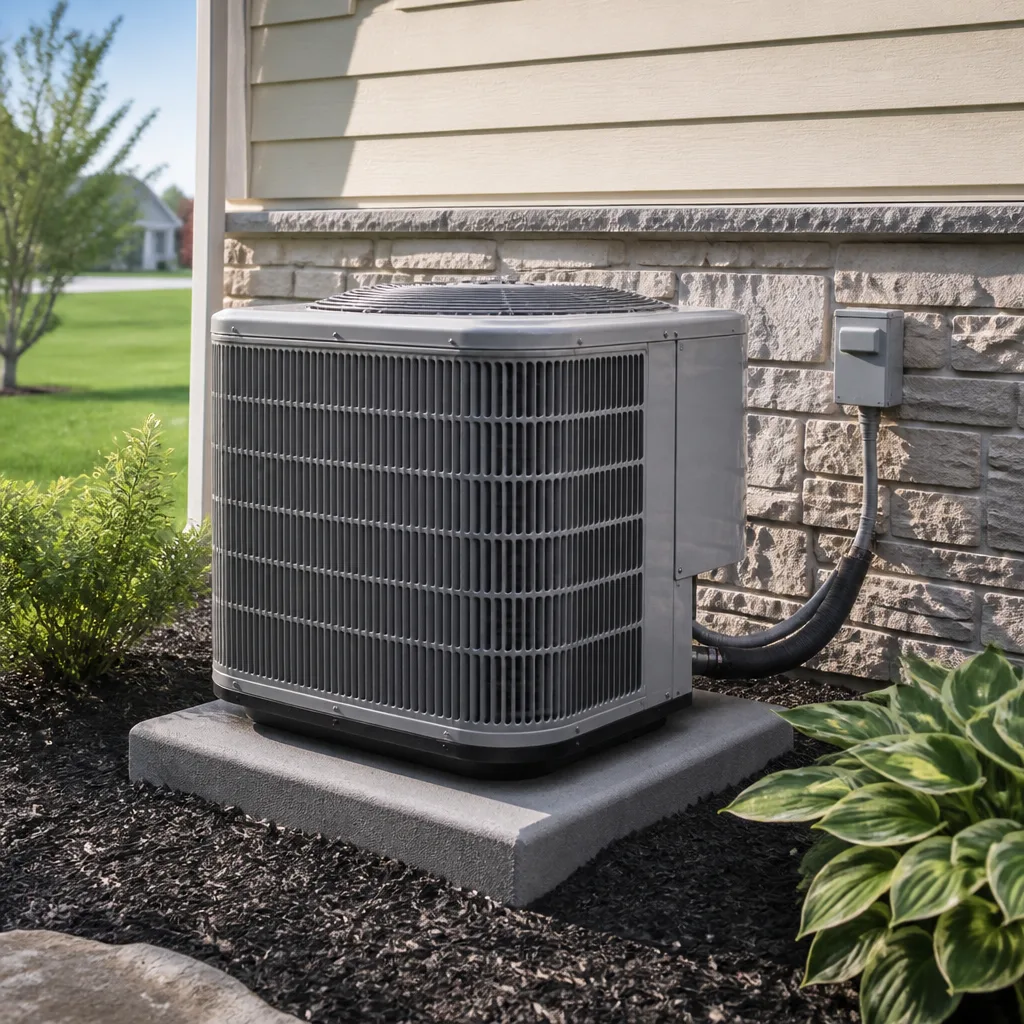 Carrier
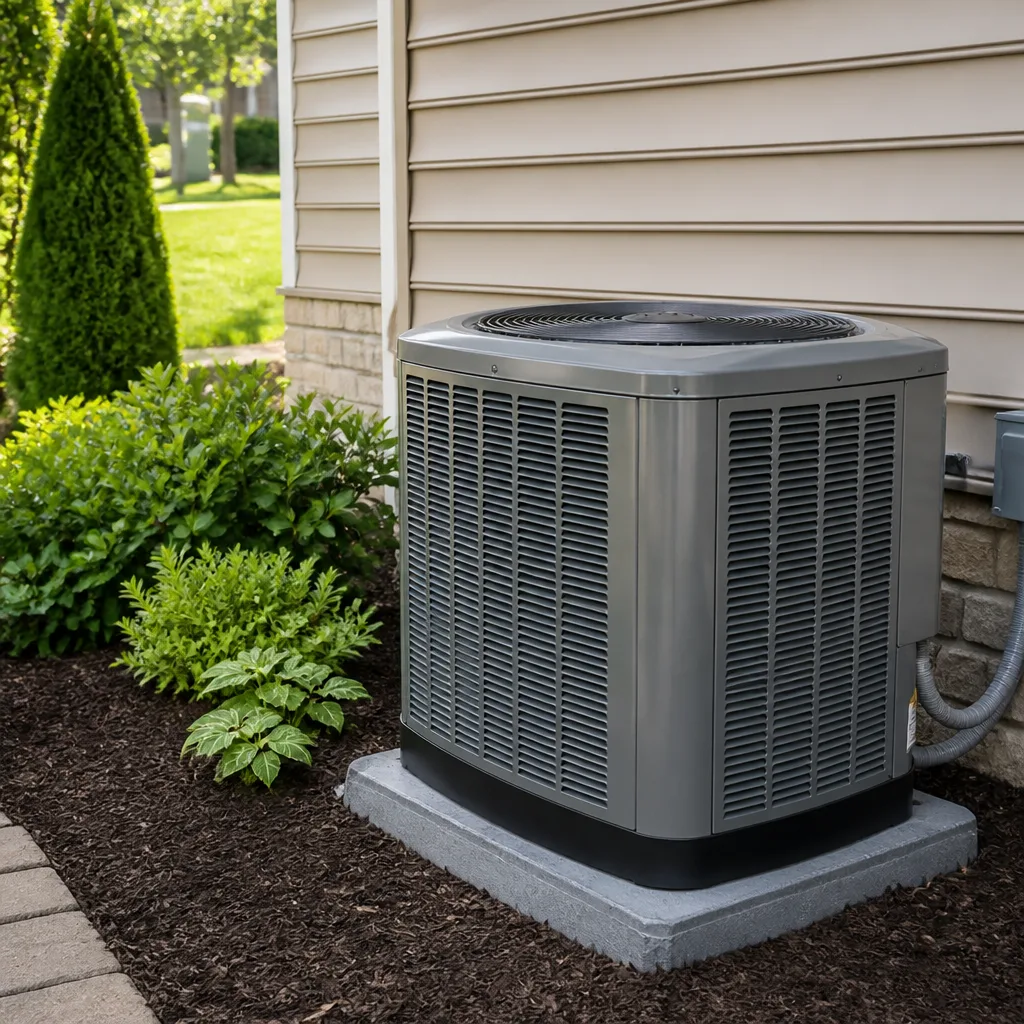 Trane
Trane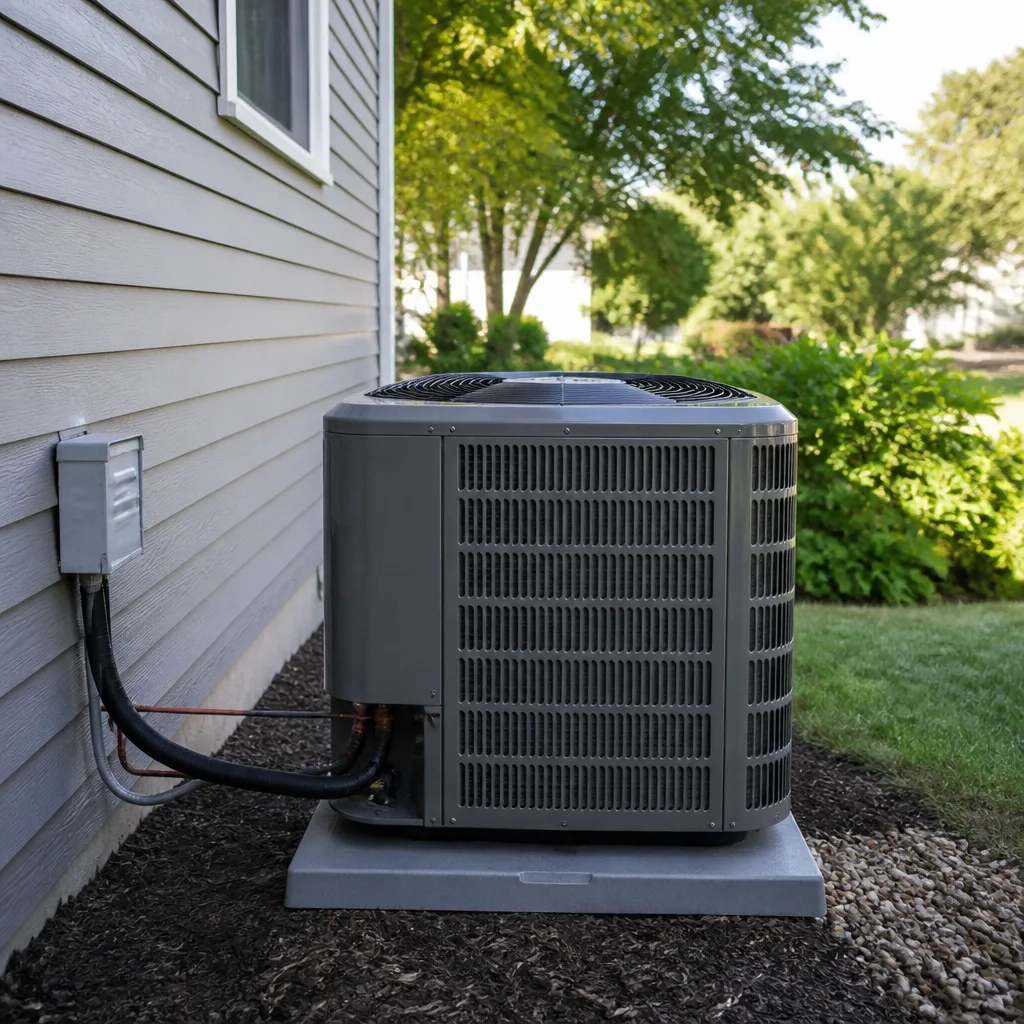 Goodman
Seasonal tune-up and full diagnostic on your Carrier, Trane, or Goodman system - readings shown to you before any repair is proposed
Diagnosis first, numbers second - you approve the repair price before a single part goes in.
Get your free estimateHVAC Permits, Codes & Inspections in CA: What You Need to Know
California homeowners lose home sale deals every year because an HVAC replacement done without a permit shows up in a pre-sale inspection. The unpermitted work has to be disclosed, retroactively permitted, or torn out, and the contractor who skipped the permit is long gone. The homeowner absorbs every dollar of that consequence. If you own a home in Ventura, this guide explains exactly what triggers a permit requirement, what the inspection actually covers, how local amendments affect you, and how to protect yourself before you sign any contract. For more guides & resources on keeping your home safe and compliant, explore our blog.
Quick Answer
In California, any HVAC job that involves replacing equipment, moving equipment, altering ductwork, or modifying gas lines or electrical circuits generally requires a permit from your local building department. Basic repairs like swapping a capacitor, replacing a contactor, or cleaning coils typically do not. In Ventura, permit requirements follow the California Mechanical Code with local amendments, and skipping a permit can void your homeowner’s insurance coverage and complicate a future home sale. Review our HVAC Warning Signs: A Ventura Homeowner’s Reference Guide to spot problems before they require major work.
Styles & brands we work with
Table of Contents
- Which HVAC Jobs Require a Permit in California
- How Ventura County Amendments Change the Rules
- What an HVAC Permit Costs in Ventura
- The Permit Process Step by Step
- Why Some Contractors Suggest Skipping the Permit
- What Unpermitted Work Means for Insurance Claims
- How Unpermitted HVAC Work Affects a Home Sale
- Questions to Ask Your Contractor Before You Sign
Which HVAC Jobs Require a Permit in California
California building code draws a clear line between repair work and replacement or installation work, and that line determines whether you need a permit. A repair keeps your existing system functioning by replacing a worn part. A replacement changes the equipment itself, and that is where the permit trigger kicks in. Understanding this distinction saves you from an expensive surprise down the road, because the state does not police this actively. The enforcement happens reactively, when you sell the home, file an insurance claim, or get caught during a separate inspection.
Here is the plain-language breakdown based on current California Energy Commission standards and the California Mechanical Code:
- Furnace replacement: Permit required. This includes swapping a 20-year-old furnace for a new one, even if it goes in the exact same closet or attic space.
- Air conditioner replacement: Permit required when the condensing unit outside and the evaporator coil inside are both replaced. A like-for-like swap still triggers the requirement because the installer has to verify refrigerant charge, electrical disconnect, and clearance specifications.
- Heat pump installation: Permit required. Heat pumps involve both electrical and refrigeration work, so the permit covers both disciplines.
- Ductwork replacement or significant modification: Permit required when you are replacing more than a small section of duct, rerouting duct runs, or adding new supply or return registers.
- New HVAC system from scratch: Permit required, always. There is no exception for new construction additions, garage conversions, or ADU installations.
- Gas line work connected to HVAC: Permit required. Moving a gas line, adding a new gas connection, or upsizing a gas line to serve a larger furnace falls under the mechanical and plumbing codes.
- Electrical circuit work for HVAC: Permit required. Running a new circuit, upgrading an old fuse panel to support a heat pump, or adding a disconnect box requires an electrical permit, often as a separate permit from the mechanical one.
- Thermostat replacement: No permit required. Swapping a basic thermostat for a smart thermostat is a low-voltage job that does not reach the permit threshold.
- Capacitor, contactor, igniter, or control board replacement: No permit required. These are component repairs on existing equipment.
- Refrigerant recharge on an existing system: No permit required as a standalone repair, though the technician must hold an EPA Section 608 certification to handle refrigerant.
In our experience, the most common permit surprise in Ventura is the furnace-only swap. Homeowners think that because the new furnace sits in the same hall closet and uses the same vent pipe, no permit is needed. That assumption is wrong. The California Energy Commission requires a permit for any furnace replacement because the installer must verify combustion air requirements, flue clearance to combustibles, and high-temperature safety limits. The inspector signs off on those measurements. Without that sign-off, the work is not code-compliant, regardless of how well the unit runs.
How Ventura County Amendments Change the Rules
State code is the floor, not the ceiling. Cities and counties in California can add stricter requirements, and Ventura County has done exactly that in a few key areas that affect HVAC work. If you live in Ventura, you are working under the California Mechanical Code plus local amendments adopted by the county. These amendments are not obscure technical footnotes. They change your timeline, your inspection requirements, and sometimes your equipment options.
The most significant Ventura-specific amendment for residential HVAC involves fire-rated access panels. When a furnace or air handler sits in a garage, the access door or panel that separates the garage from living space must meet specific fire-resistance ratings. Some older Ventura homes built in the 1960s and 1970s have louvered doors or hollow-core doors on furnace closets that would never pass a current inspection. A permit forces the issue. The inspector will flag the door, and you will have to replace it with a rated assembly before final sign-off. That is an extra cost, but it is also exactly why the permit protects you. A fire that spreads from a garage through an unrated furnace door is a claim an insurer can use against you.
Ventura County also enforces stricter clearances for outdoor condensing units than some neighboring counties. The county follows the standard 30-inch service clearance rule, but inspectors in Ventura have been known to measure more carefully on zero-lot-line properties and townhome communities where the side yard is narrow. If your condenser sits within 30 inches of a property line or a wall, the inspector may require a site-specific variance or a relocation. We have seen this happen in the midtown Ventura neighborhoods where houses sit close together and the original condensers were installed decades ago under looser enforcement.
Smoke and carbon monoxide detector requirements are tied to mechanical permits in Ventura County. When you pull a permit for a furnace replacement, the inspector will verify that working smoke alarms and CO alarms are installed in the required locations. If they are missing, you will fail the inspection until they are in place. This is a direct example of the permit process catching a safety issue that has nothing to do with the furnace itself. The county uses the permit as a checkpoint, and that is good for you.
What an HVAC Permit Costs in Ventura
Permit fees in Ventura are not punitive. In most cases, an HVAC permit for a furnace or AC replacement runs between $150 and $400 depending on the scope of work and the valuation of the equipment. A full system replacement with ductwork can push the permit fee toward the higher end of that range. A simple furnace swap that covers only the mechanical work usually lands near the lower end. These figures are based on the Ventura building department’s fee schedule and reflect what we see on permits we pull for customers across Ventura.
What is worth understanding is that the permit fee is a line item on your contract when a contractor pulls the permit properly. It is not hidden, it is not optional, and it is not something a legitimate contractor absorbs silently. A contractor who rolls the permit fee into the job without showing it as a line item is still charging you for it. That is fine as long as the permit is actually pulled. The problem arises when a contractor quotes a low price by omitting the permit entirely. The $250 you saved becomes thousands of dollars later if the work is flagged during a sale, an insurance claim, or a county audit.
Here is a realistic breakdown of what a permit adds to a typical Ventura HVAC job:
- Furnace replacement permit: $180 to $320, depending on the equipment valuation listed on the application
- AC condensing unit and coil replacement permit: $150 to $300
- Full system replacement with ductwork: $300 to $450
- Separate electrical permit for circuit work: $100 to $250 when required alongside the mechanical permit
- Re-inspection fee if you fail the first inspection: $75 to $150 per visit, depending on the jurisdiction
One more cost consideration specific to coastal Ventura: corrosion. Homes within a mile or two of the ocean, in neighborhoods near the Ventura harbor or off Seaward Avenue, deal with salt air that eats outdoor condenser coils faster than inland homes. When a unit fails early due to corrosion, a replacement still requires a permit. There is no corrosion exception in the code. The permit cost is the same, but the coastal environment is something any honest HVAC contractor should mention when sizing a system, because it affects equipment lifespan and warranty decisions. Goodman and Rheem both offer coastal-rated units with anti-corrosion coatings, and that is a choice worth discussing with whoever pulls your permit. Our Seasonal HVAC Care for Ventura: Year-Round Homeowner’s Guide covers how coastal conditions affect maintenance schedules.
The Permit Process Step by Step
If you have never pulled a permit for HVAC work, the process sounds more intimidating than it is. Here is exactly what happens when a contractor pulls a mechanical permit in Ventura, step by step. This is the same sequence we follow when handling Furnace Repair in Ventura projects that have crossed into replacement territory.
- The contractor files the permit application. The application lists the scope of work, the equipment being installed, the manufacturer and model number, and the equipment location in the home. In Ventura, this is typically filed online through the county’s permit portal. The filing party must hold a valid California contractor’s license in the appropriate classification, usually C-20 for HVAC work.
- The permit is issued. For straightforward like-for-like replacements, the permit is often issued the same day or within one to two business days. For jobs involving new ductwork, gas line changes, or equipment relocation, the building department may route the application for plan review, which adds a few days to a couple of weeks depending on workload.
- The work is performed. The contractor installs the equipment according to the manufacturer’s specifications and the applicable code sections. The permit number must be posted on the job site, usually displayed on a permit card near the equipment.
- The contractor schedules the inspection. Once the work is complete, the contractor calls the building department to schedule a rough inspection or final inspection, depending on the job scope. In Ventura, inspection windows are typically scheduled for a half-day slot, meaning the inspector arrives sometime within a four-hour window on the scheduled day.
- The inspector checks the work. For a furnace replacement, the inspector verifies combustion air, flue clearance, gas line sizing, condensate drainage, and the presence of required smoke and CO detectors. For an AC replacement, the inspector checks the electrical disconnect, the refrigerant line set, condenser clearance, and the equipment’s compliance with the California Energy Commission’s efficiency standards.
- Pass or fail. If everything meets code, the inspector signs the job card, and the permit is finalized. If the inspector finds a deficiency, the contractor receives a correction notice listing exactly what needs to be fixed. A re-inspection is scheduled after the correction. Most failures we see in Ventura are minor: a missing sediment trap on a gas line, a condensate line that lacks a proper air gap, or a missing CO detector in a hallway. All are quick fixes.
The timeline from permit filing to final sign-off for a simple furnace or AC replacement in Ventura is usually five to ten business days, assuming the system is in stock and the inspection slot is available on schedule. Delays most often come from equipment backorders, not from the permit office. In coastal Ventura, where heat pump demand has grown sharply in recent years, some Daikin and York models have had multi-week lead times. A contractor who quotes you a permit and tells you the inspection happens after the install is being straightforward about the order. The inspection always happens after the work, never before. That is standard.
Why Some Contractors Suggest Skipping the Permit
Every homeowner who has gotten three bids for an HVAC replacement has probably heard at least one contractor say the permit “isn’t necessary” for their job. The phrasing varies. Sometimes it is “this is a like-for-like swap, you don’t need to involve the city.” Sometimes it is “the permit will add two weeks and a few hundred dollars, and the inspector never even looks at anything.” Sometimes it is subtler: the contractor simply never mentions a permit, and the homeowner never thinks to ask. All of these are red flags, and here is why.
A contractor who suggests skipping a permit that the code requires is not doing you a favor. They are transferring risk from themselves to you. The contractor’s risk is time and paperwork. Your risk is a clouded title, a denied insurance claim, a failed home inspection, and a disclosure obligation that follows the property. The asymmetry is total. The contractor walks away from the job with their check. You own the liability for the next decade or more.
There are legitimate reasons a contractor might be slow to pull permits. The most common is that the contractor’s license has an expired worker’s compensation insurance certificate on file with the city, which would block the permit application. Another is that the contractor has outstanding permit violations from previous jobs and is trying to avoid contact with the building department. A third is that the contractor is operating without a proper C-20 license and cannot legally pull a mechanical permit at all. None of these are reasons a homeowner should accept. All of them are reasons to choose a different contractor.
When you ask about permits, listen to the answer. A straight answer sounds like this: “Yes, we pull a mechanical permit on every replacement. The permit fee is a line item on your written quote, and we schedule the inspection before we finish the job.” An evasive answer sounds like this: “You probably don’t need one for this” or “We can do it either way, whatever you prefer” or “The city doesn’t check residential work.” The last statement is false in Ventura. The county does inspect residential HVAC work, and they do flag unpermitted replacements when they encounter them through other inspection channels.
What Unpermitted Work Means for Insurance Claims
Here is the scenario that most homeowners never consider until it is too late. Your furnace is replaced without a permit. Three years later, an electrical fire starts in the mechanical closet. The fire investigator determines the point of origin was the furnace wiring. Your insurance company requests documentation of the furnace installation. If no permit exists, the insurer has a documented basis to deny or reduce the claim, because the policy language in most California homeowner’s policies excludes damage caused by work that was not performed in accordance with applicable building codes, and an unpermitted installation is, by definition, outside the code compliance record.
This is not a hypothetical we are inventing to scare you. It is a documented claims-adjustment practice. Insurers do not need to prove the unpermitted work caused the fire. They only need to establish that the work was unpermitted and that the loss occurred in or around the unpermitted equipment. The burden then shifts to you, the homeowner, to prove the fire would have happened anyway. That is an expensive fight, and most homeowners lose it or settle for less than the claim is worth.
The same logic applies to water damage claims involving condensate leaks. If an unpermitted AC installation floods a finished room because the condensate line was not installed to code, the insurer can point to the missing permit as evidence that the work was not verified by any authority. Your claim gets reduced. Your premiums may go up. Your only recourse is to sue the contractor who did the work, and if that contractor is unlicensed or disappeared, you have nothing to collect.
Some homeowners push back on this by saying their insurance company never asked whether the work was permitted when they bought the policy. That is true. Insurance applications do not typically ask about permit history. The permit question surfaces at claim time, not application time. That is precisely why the risk is invisible until it is catastrophic. Pulling a permit is cheap insurance against a claim denial. The $250 permit fee is nothing compared to a $40,000 fire claim that gets denied because a piece of paper was missing.
How Unpermitted HVAC Work Affects a Home Sale
California residential purchase agreements require sellers to disclose all known material facts about the property, including any work done without required permits. When a seller checks the box that says unpermitted work was performed, the buyer’s reaction is predictable. The buyer demands that the work be retroactively permitted, repaired if it fails a current inspection, or credited against the purchase price. In a competitive market, some buyers walk entirely. In a slow market, the seller’s leverage evaporates. We saw this happen repeatedly in Ventura during the 2022 market correction, when buyers gained more inspection leverage and started asking harder questions about HVAC documentation.
The retroactive permitting process is not simple. You do not just pay a fee and get a stamp. The building department treats retroactive permits as a corrective process. The HVAC equipment has to be inspected as if it were new work. If the installation does not meet current code, which is entirely possible since the work was never inspected, the seller has to pay to bring it into compliance before the sale can close. That means opening walls, re-running flues, replacing unrated doors, or even replacing the equipment entirely if it cannot be brought into compliance. The cost lands in the tens of thousands of dollars in the worst cases, and the closing gets delayed by weeks or months.
There is also the title cloud issue. Unpermitted work does not normally cloud title the way a mechanic’s lien does, but it does create a documented condition that must be disclosed. If a seller fails to disclose unpermitted HVAC work and the buyer discovers it after closing, the buyer has a claim for non-disclosure. In California, that claim can be pursued for damages including the cost of retroactive permits and repairs. Sellers who thought they saved $300 by skipping a permit end up paying $15,000 in a settlement. The math never works in favor of skipping the permit.
Buyers in Ventura are increasingly asking for permit documentation at the inspection stage. Home inspectors working in Ventura are trained to note when an HVAC unit appears newer than the permits on file with the county. The age of the equipment is printed on the manufacturer’s data tag, and a buyer’s agent can pull the permit history from the building department in a single phone call. If the data tag says 2024 and the permit history is silent, the question gets asked. Every time.
Questions to Ask Your Contractor Before You Sign
You are not expected to know the California Mechanical Code. You are expected to ask your contractor the right questions and listen for straight answers. Here are the five questions that matter most when you are hiring for an AC Repair in Ventura job that may cross into replacement territory, or any furnace or heat pump replacement.
- “Will you pull a permit for this job, and is the permit fee shown as a line item on my quote?” If the answer is no or evasive, end the conversation. A contractor who hedges on permits will hedge on other things you cannot see.
- “What is your California contractor’s license number, and can I verify it on the CSLB website?” A legitimate contractor provides this without hesitation. The state’s license lookup takes thirty seconds, and it shows you the license status, the classification, and any disciplinary history.
- “Who schedules the inspection, and will someone be at my house during the inspection window?” On a fully permitted job, the contractor schedules the inspection and has a representative on site to meet the inspector. If the contractor says you need to handle the inspection yourself, that is a warning sign that the contractor is not actually pulling the permit.
- “What happens if the inspector fails something?” The right answer is that the contractor fixes it at no additional charge and schedules the re-inspection. The wrong answer is that the homeowner is responsible for dealing with the inspector’s findings. The contractor’s work should pass inspection, and if it does not, that is the contractor’s correction to make.
- “Will I receive a copy of the final signed permit card?” Yes is the only acceptable answer. You should receive a copy of the final approved inspection and the signed permit card. Keep it with your closing documents. That piece of paper is what you will produce when you sell the home or file an insurance claim.
Asking these questions in Ventura is not unusual. Buyers and sellers in this market have become more permit-literate than they were a decade ago, and good contractors expect the questions. A contractor who welcomes them is a contractor who has nothing to hide. A contractor who gets defensive is a contractor you should not hire. Devin Marlowe has been advising Ventura homeowners on exactly these questions for years, and the pattern holds: the contractors who answer straight are the ones who do the work correctly.
Common Mistakes to Avoid
- Accepting “you don’t need a permit” at face value. If the job involves replacing equipment, you need a permit. The contractor’s word is not a substitute for a building department record. Verify before you sign.
- Paying for a permit that was never pulled. Some contractors include a “permit fee” line item on the contract and then never file the paperwork. Always ask for the permit number after the job starts, not just a receipt for the fee.
- Assuming a home warranty covers unpermitted work. Home warranty companies typically deny claims on systems that were not installed to code, and the absence of a permit is their proof. The warranty claim gets denied, and you are back to paying out of pocket.
- Overlooking the detector requirement in Ventura. Furnace replacement inspections will fail if smoke and CO detectors are missing or outdated. Check these before the inspection so you do not pay a re-inspection fee for something you could have fixed in ten minutes.
- Buying equipment without checking Ventura’s coastal corrosion factor. If you live near the ocean and install a standard indoor-rated condensing unit, you will replace it sooner than your warranty expects. Coastal-rated units from manufacturers like Rheem and York cost slightly more and last significantly longer near salt air.
- Not keeping the signed permit card. The final inspection sign-off is your proof that the work was done correctly. Store it with your home records. You will need it when you sell, and you will need it if you ever file an insurance claim related to the HVAC system.
- Confusing repair with replacement. Swapping a capacitor needs no permit. Swapping a furnace does. If a contractor tells you a full equipment replacement is “just a repair” to avoid the permit, walk away. The classification is not up to the contractor’s preference.
See the difference
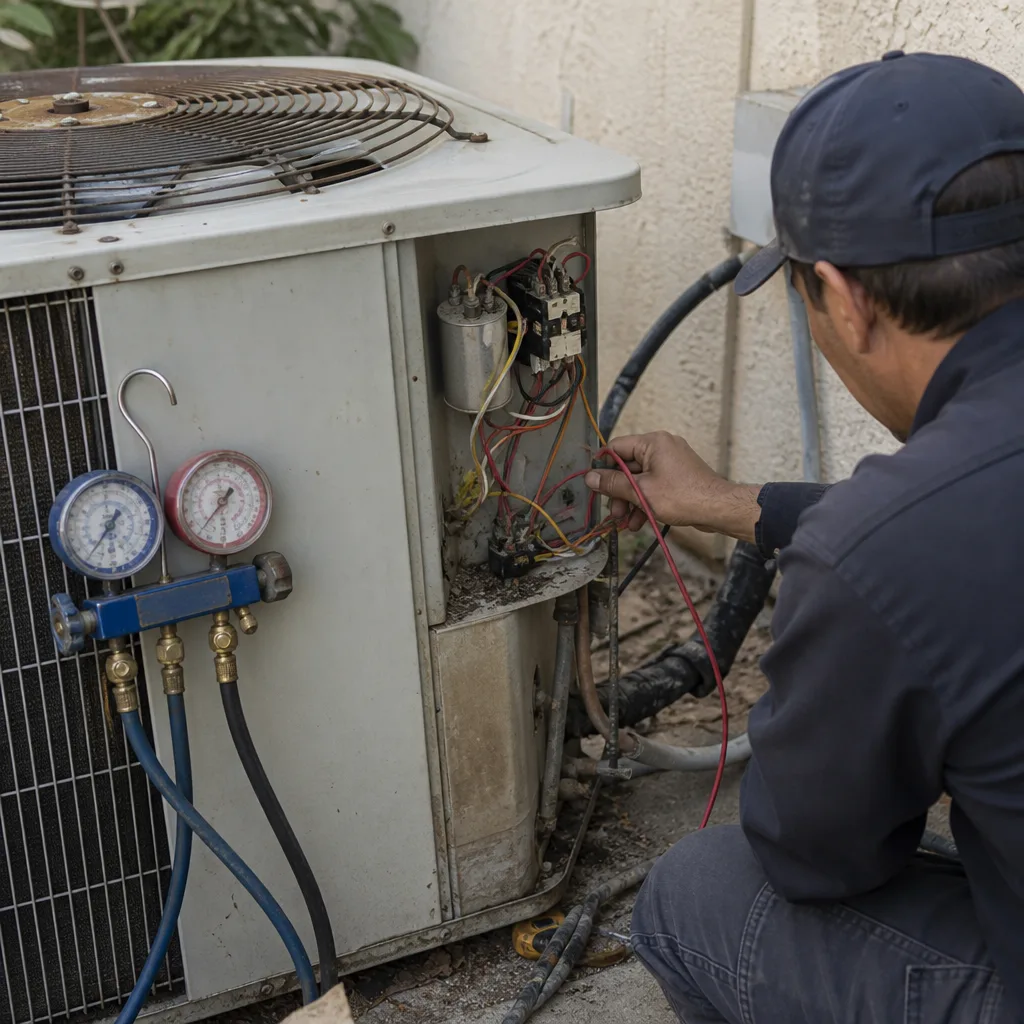 Before
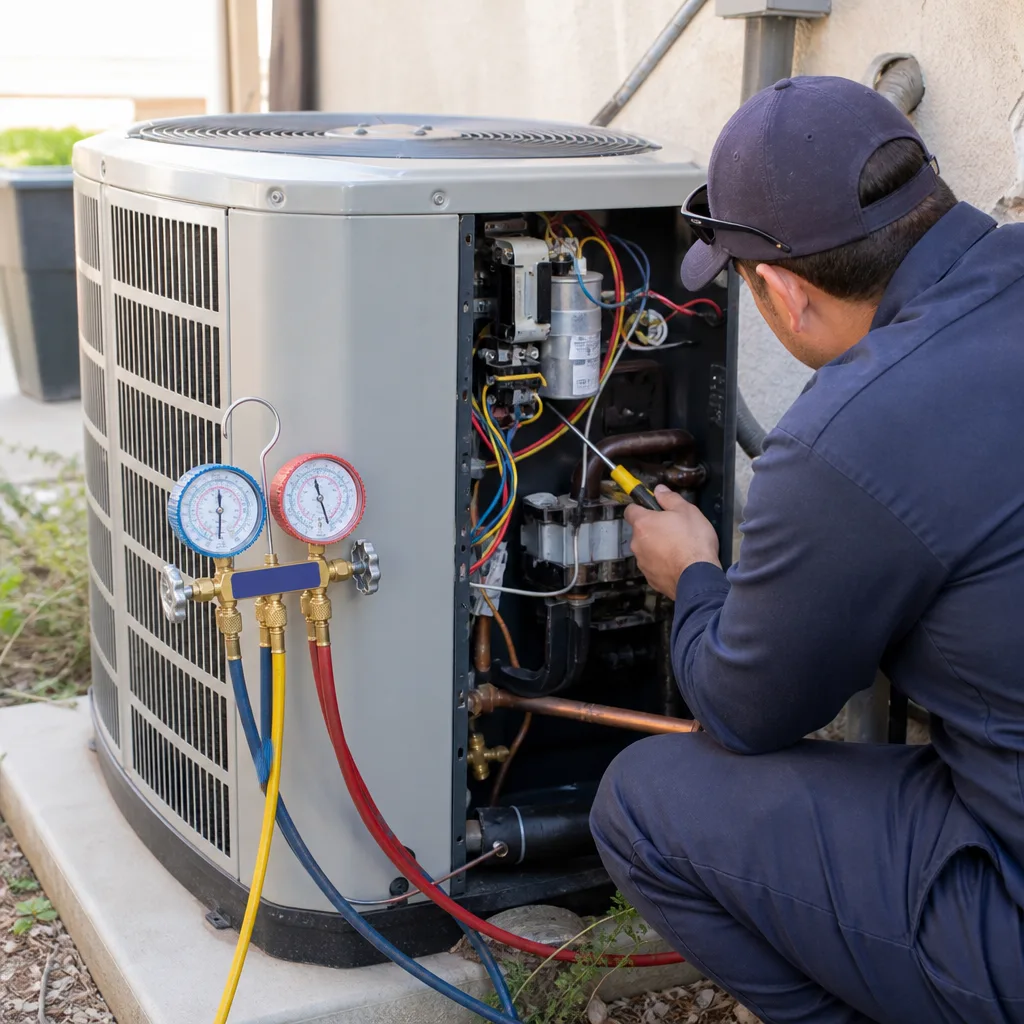 After
After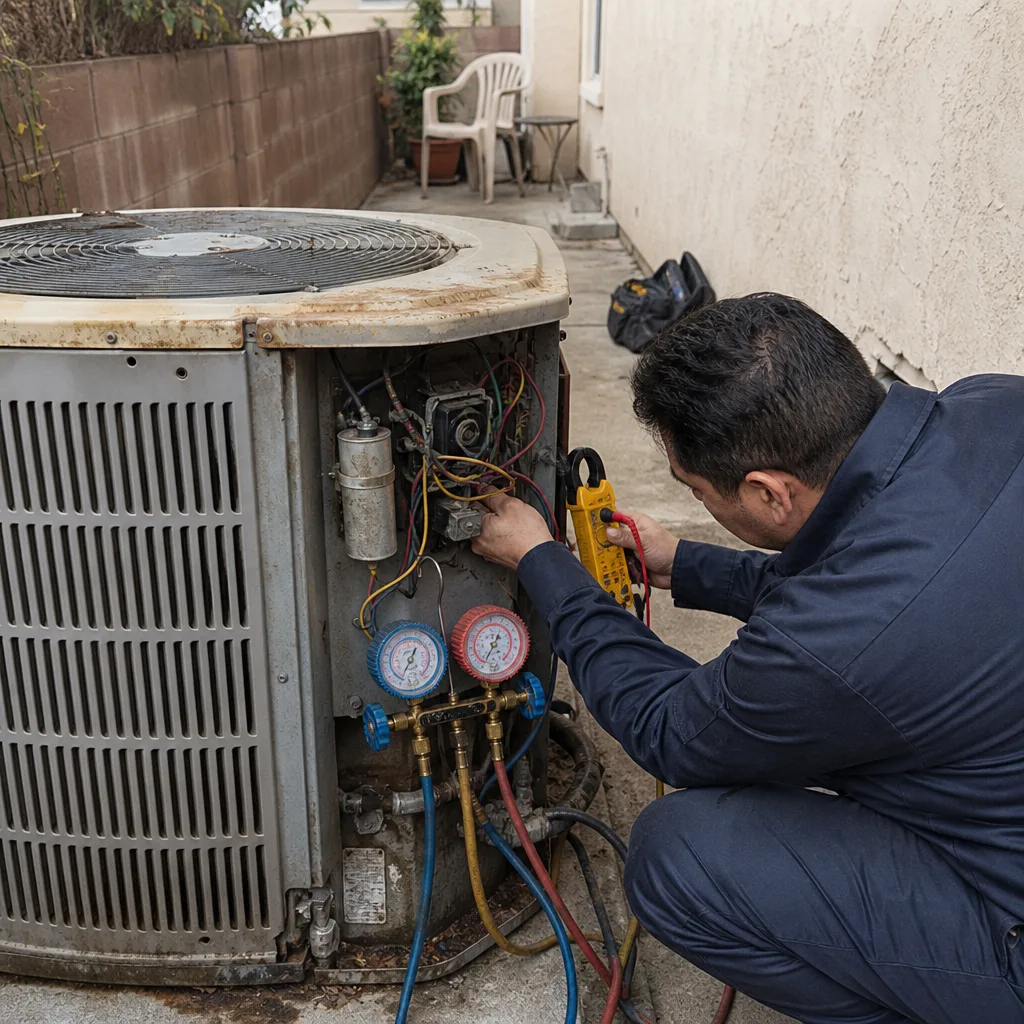 Before
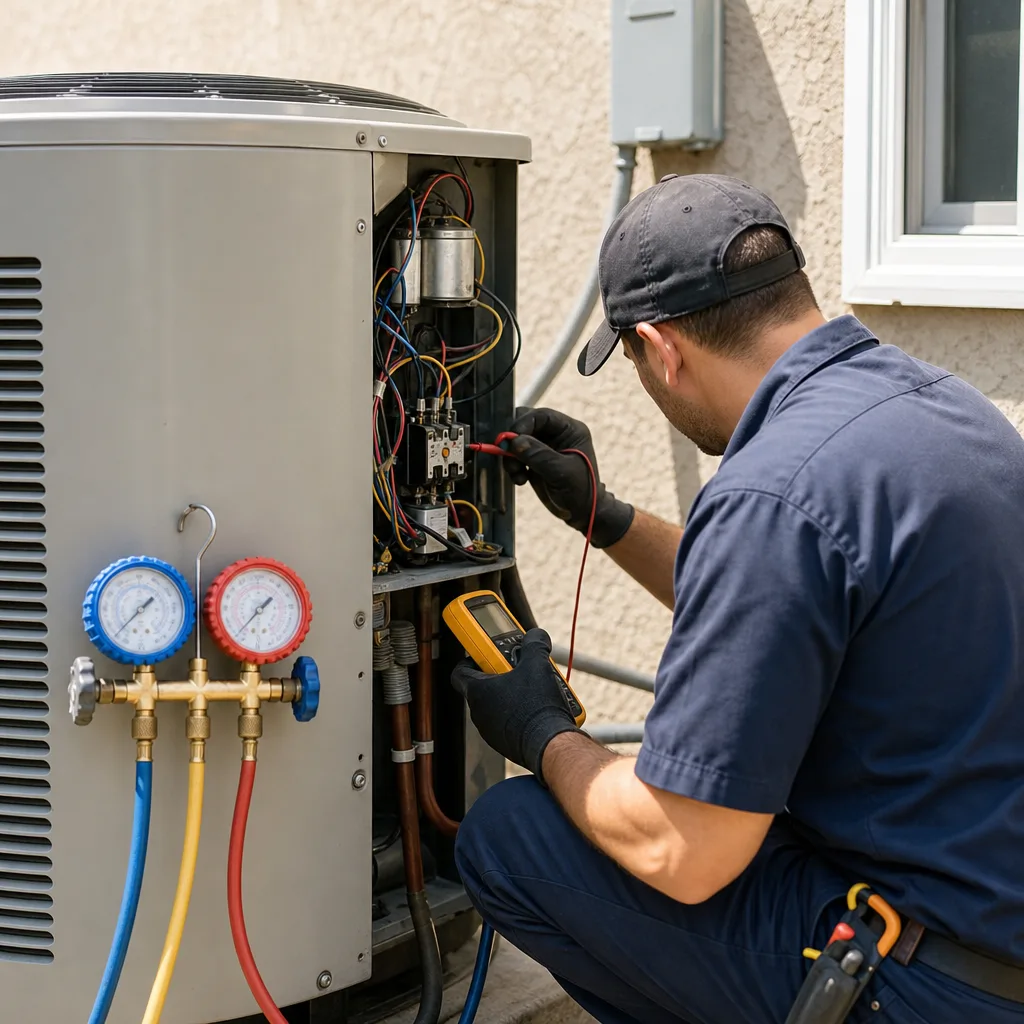 After
After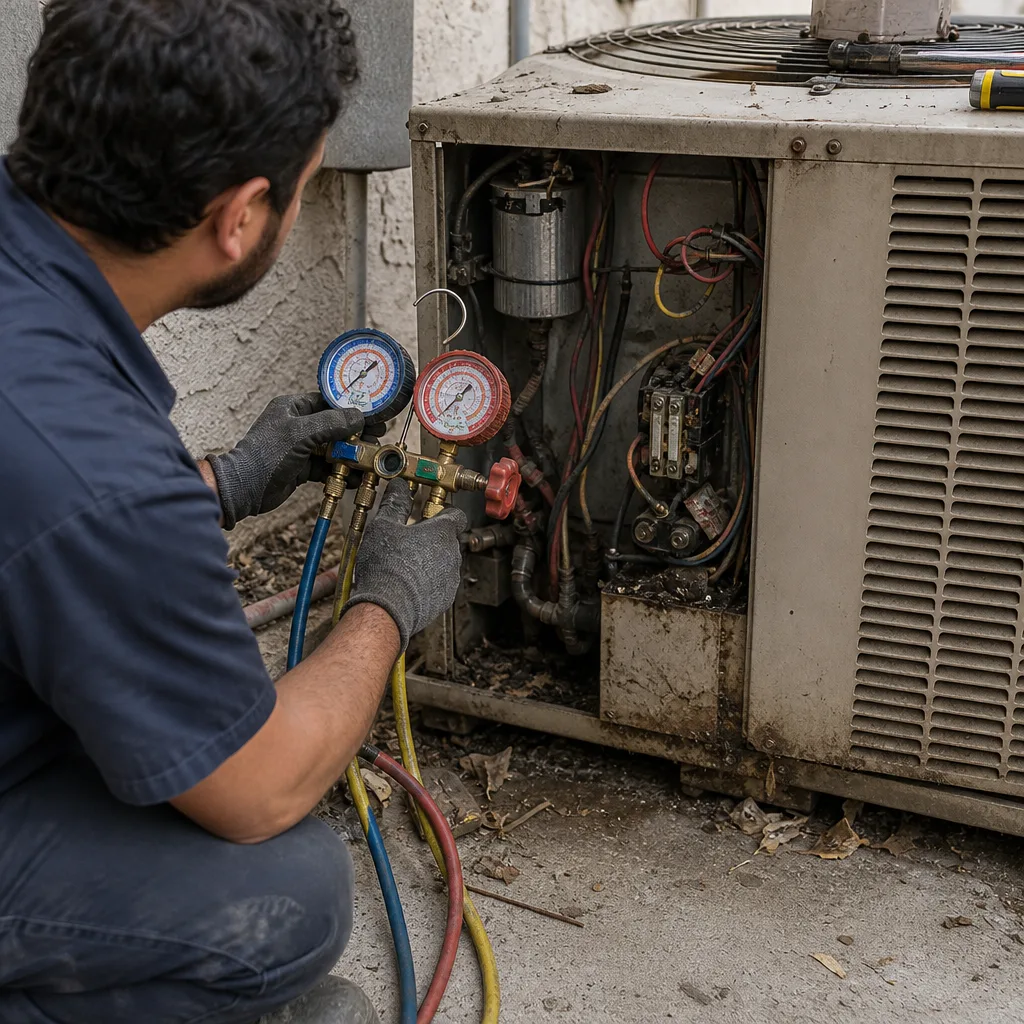 Before
 After
AfterWhen to Call a Professional
If you are planning an HVAC replacement in Ventura, the permit question is a professional question from day one. A licensed contractor handles the permit application, the scheduling, the inspection, and the documentation. Attempting to navigate the permit process yourself on a job you are hiring a contractor to do is not a reasonable division of labor. The contractor has the license, the insurance, and the code knowledge. You have the checkbook and the signature authority. That is the proper split.
Call a professional when the job involves gas lines, electrical circuits, refrigerant handling, or any equipment that changes the airflow or combustion dynamics of your home. These are not weekend projects. The danger of a bad furnace install is carbon monoxide poisoning, which is silent and deadly. The danger of a bad AC install is less immediate but still real: refrigerant burns, electrical fires, and mold from poor condensate management. A permit exists to make sure none of these things happen, and the inspection is the backstop on the contractor’s work. That is worth the fee every time.
Brandt HVAC Co Ventura offers free estimates in Ventura. Call (831) 539-0291 and we will walk you through the permit requirements for your specific job before you commit to anything.
Frequently Asked Questions
Yes, a mechanical permit is required for any furnace replacement in Ventura, even a like-for-like swap in the same location. The permit verifies combustion air, flue clearance, gas line sizing, and the required smoke and CO detector placement. Skipping it creates a disclosure obligation when you sell and a coverage risk if you file an insurance claim.
An HVAC permit in Ventura typically costs between $150 and $400 depending on the scope of work, with furnace replacements on the lower end and full system replacements with ductwork on the higher end. The permit fee is a line item on your contract when a contractor pulls the permit properly. Re-inspection fees run $75 to $150 if the first inspection fails.
A contractor who performs work requiring a permit without pulling one faces disciplinary action from the California Contractors State License Board, including fines and license suspension or revocation. The homeowner, however, remains responsible for bringing the work into compliance, and the homeowner absorbs the cost. The contractor’s penalty does not fix your permit problem.
An HVAC inspector in Ventura checks the equipment installation against the California Mechanical Code. For a furnace, that includes combustion air supply, flue clearance to combustibles, gas line sediment trap, condensate drainage, and detector placement. For an AC, the inspector checks the electrical disconnect, condenser clearance, refrigerant line set, and compliance with CEC efficiency standards. Use our AC Repair Maintenance Checklist for Ventura Homeowners to stay ahead of issues that could fail inspection.
Yes, and it is a growing problem. California requires sellers to disclose unpermitted work, and Ventura buyers are increasingly pulling permit histories during the inspection period. When a buyer discovers an unpermitted HVAC replacement, the seller typically faces a demand for retroactive permitting, a price concession, or both. The cost of retroactive permitting can easily exceed ten times the cost of the original permit.
Generally no. Home warranty companies exclude coverage for systems that were not installed according to code, and the absence of a permit is treated as evidence of non-compliance. A warranty claim on an unpermitted system gets denied, and the warranty company does not refund your premium. The permit is the proof that the installation was code-compliant at the time the work was done.
The Bottom Line
An HVAC permit in California is not bureaucratic overhead. It is the only document that proves your equipment was installed to code, inspected by an authority, and safe for your family to live around. In Ventura, the permit process is straightforward, the fees are modest, and the protection is real. A contractor who pushes back on permits is asking you to carry a risk that the contractor has no intention of sharing. Before you sign any HVAC contract, ask the five questions above, verify the license, and get the permit number in writing. The homeowners who regret skips on HVAC permits are the ones who never thought they would sell, never thought they would file a claim, and never thought a furnace could start a fire. All three things happen. The permit makes sure you are covered when they do.
Brandt HVAC Co Ventura handles AC Maintenance in Ventura and full system replacements with permits pulled on every job where the code requires one. Call (831) 539-0291 for a free estimate and a straight answer on whether your project needs a permit. You will get a written price before any work starts, and the permit line item will be right there on the page where you can see it.
Written by Devin Marlowe, Owner at Brandt HVAC Co Ventura, serving Ventura since 2003.