
Last updated October 16, 2026
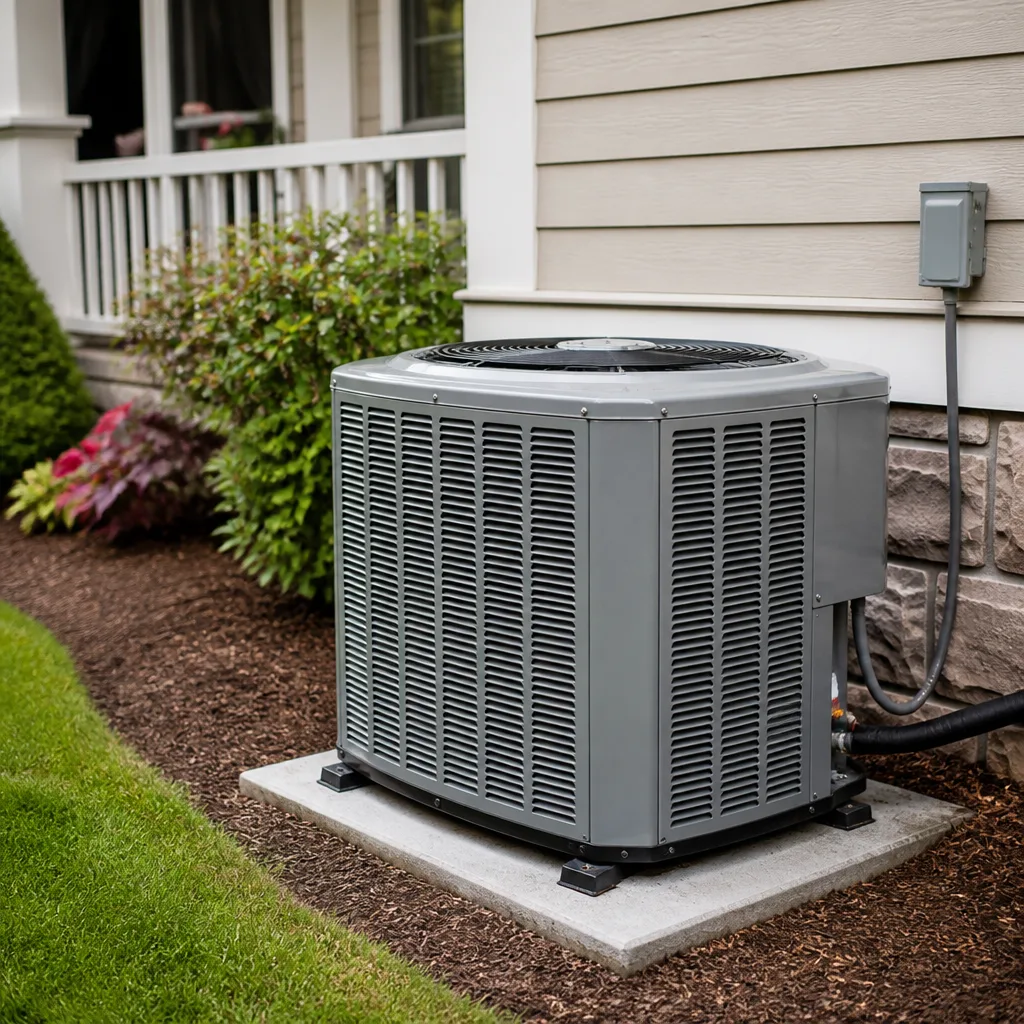 AC repair
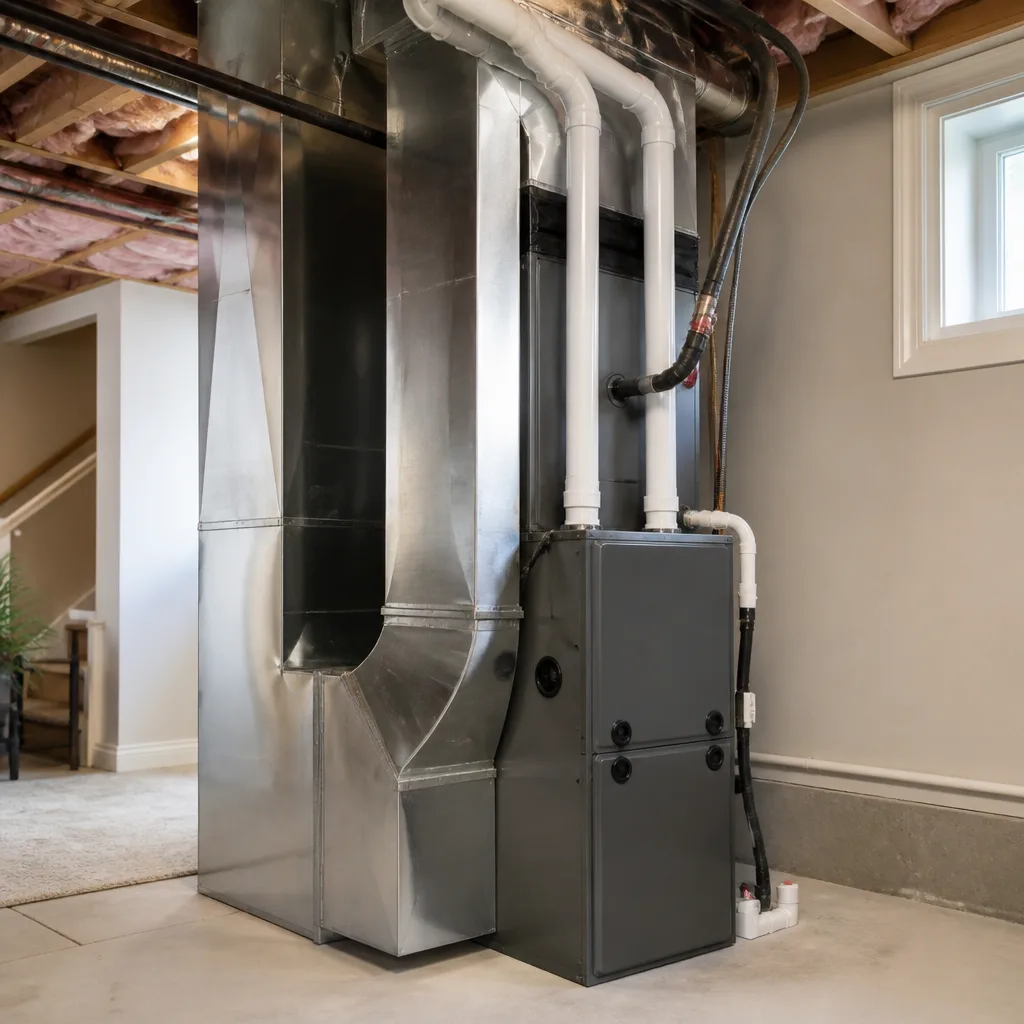 Furnace & heating
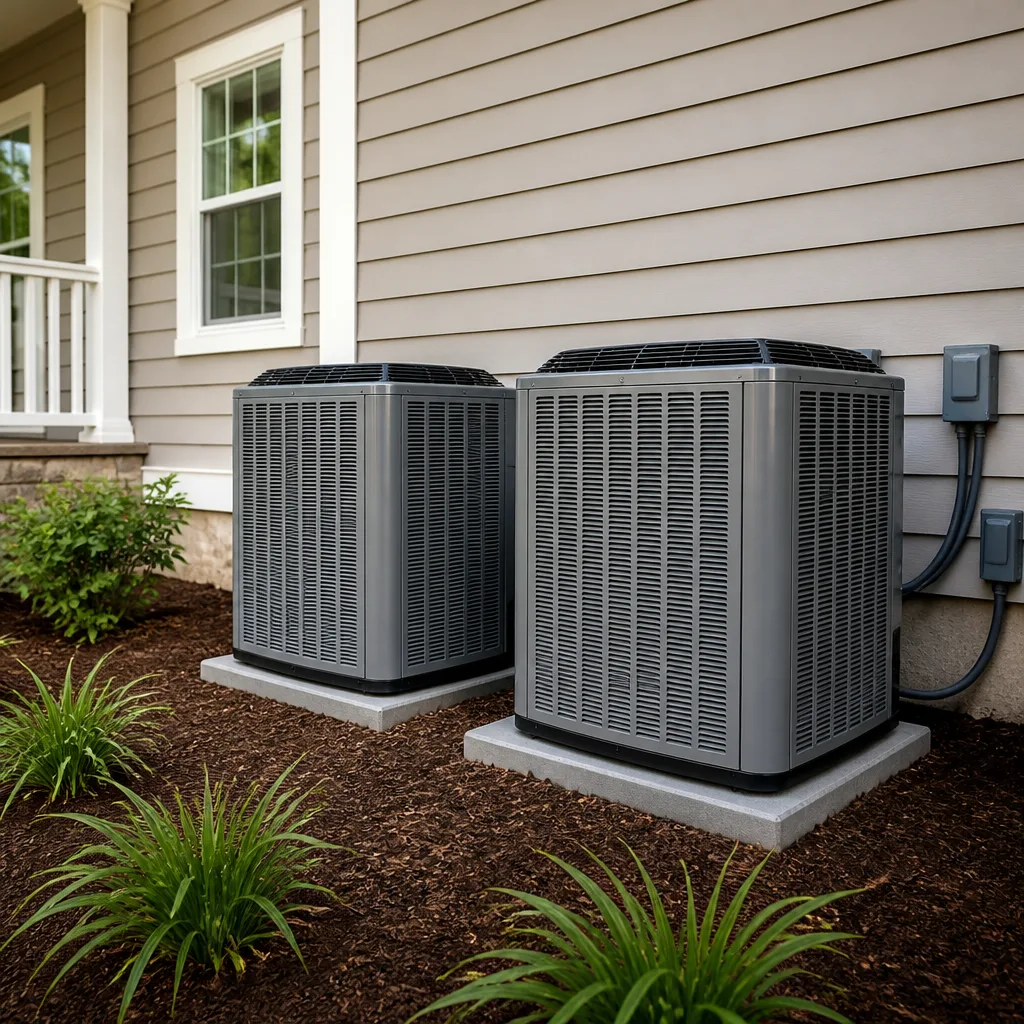 Heat pumps
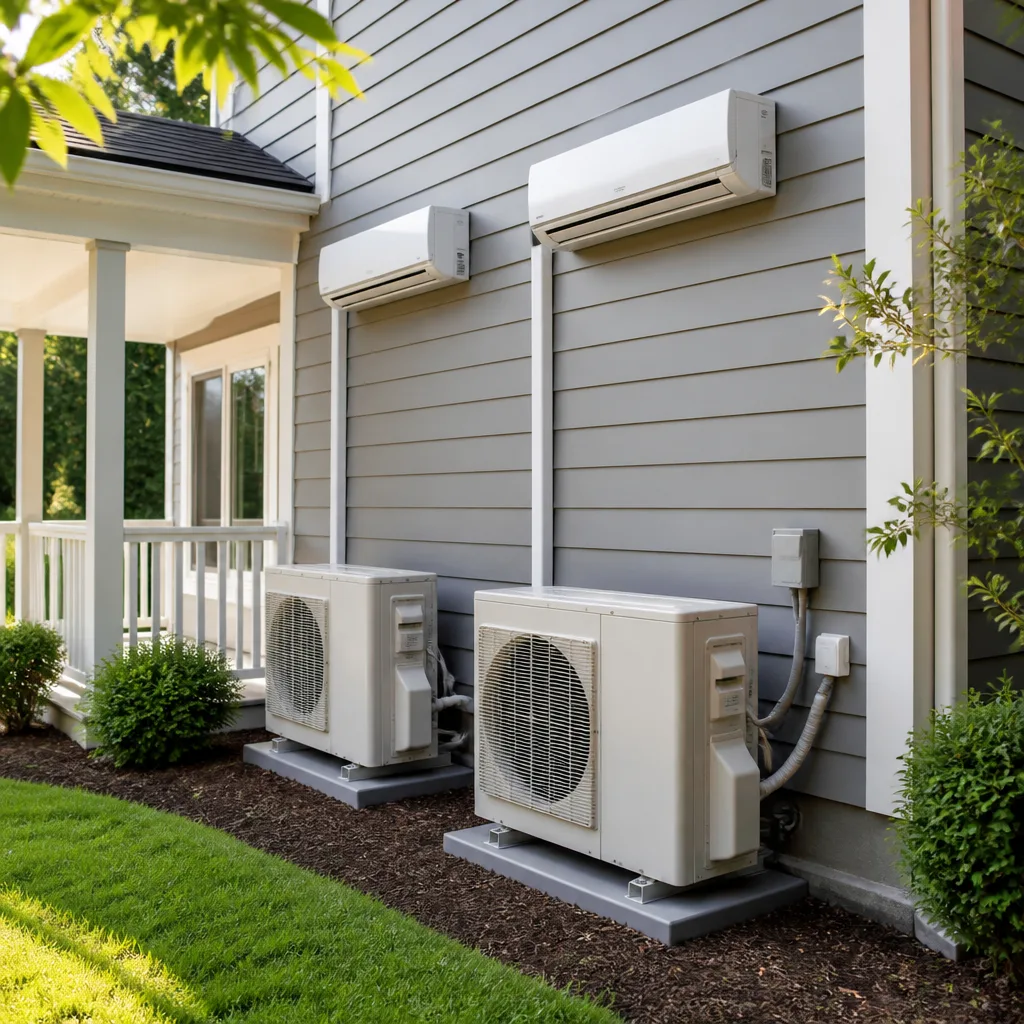 Ductless mini splits
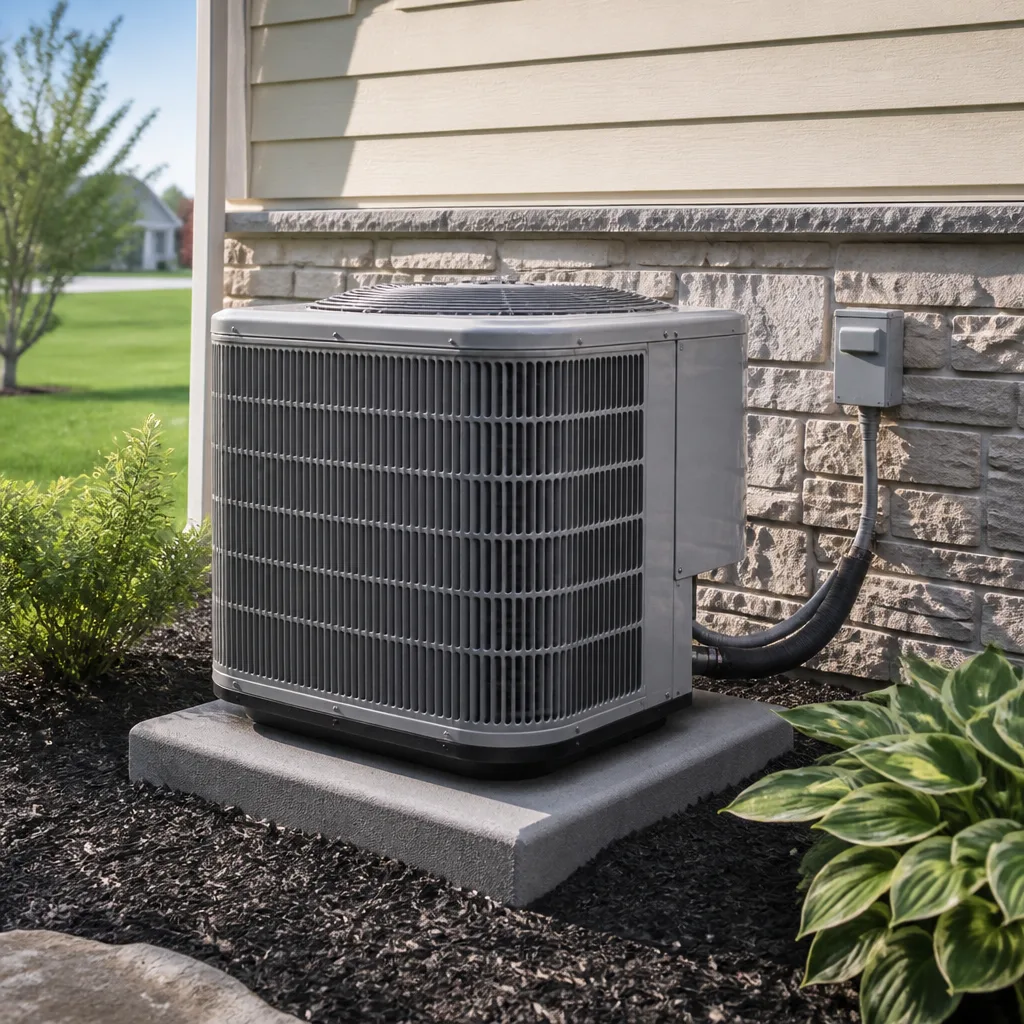 Carrier
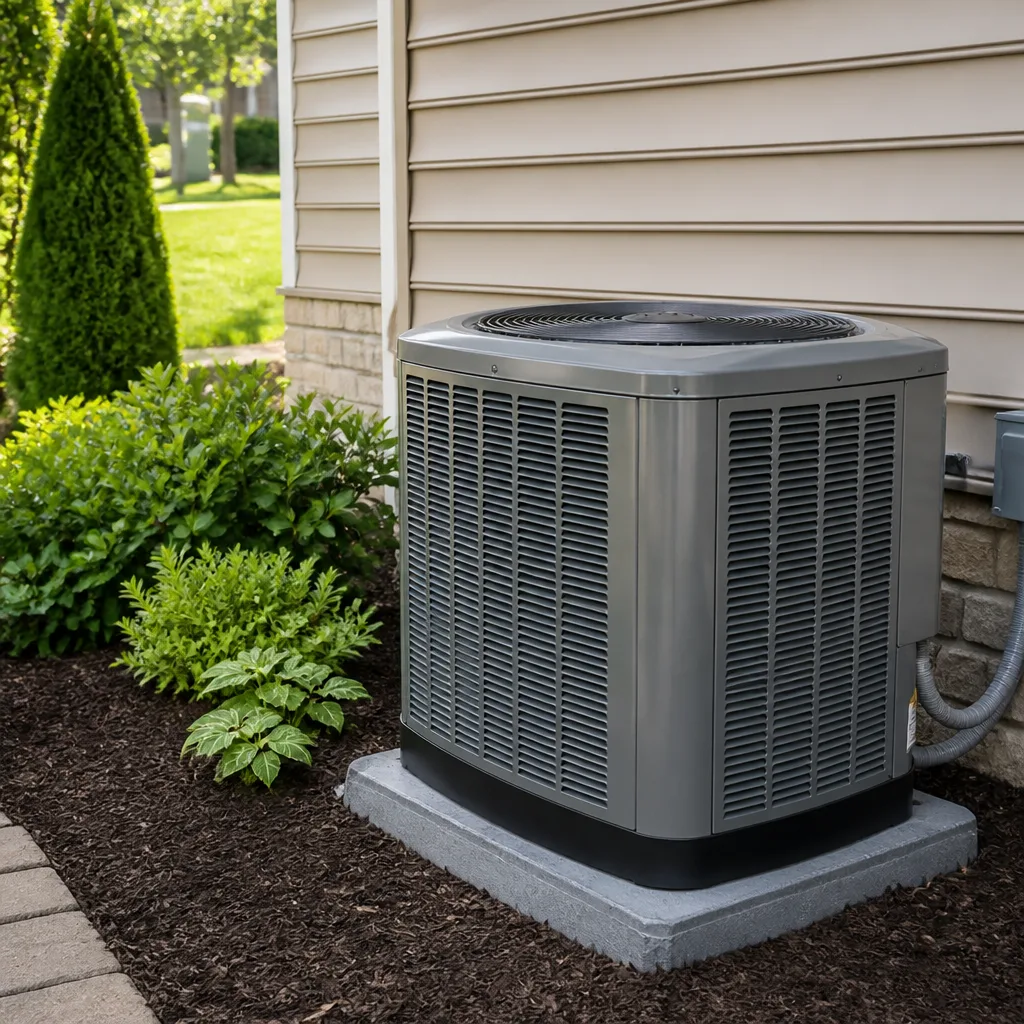 Trane
Trane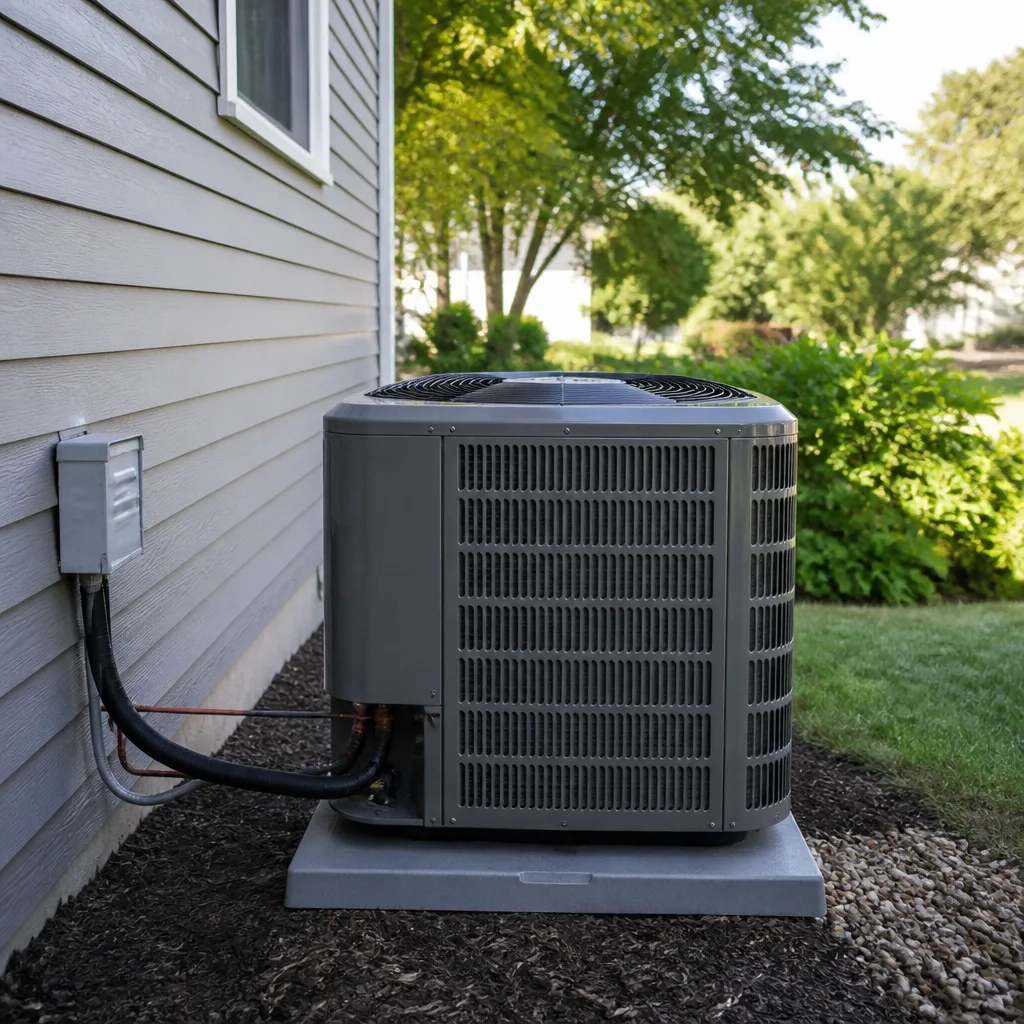 Goodman
Seasonal tune-up and full diagnostic on your Carrier, Trane, or Goodman system - readings shown to you before any repair is proposed
Diagnosis first, numbers second - you approve the repair price before a single part goes in.
Get your free estimateHVAC Cost Breakdown: The Ventura Homeowner’s Reference for 2026
Ventura’s coastal air does two things to HVAC equipment: it cools your home on summer afternoons, and it slowly eats away at anything made of unprotected metal. That second part is why a quote from a Ventura contractor often looks different, and higher, than a quote your cousin got in Bakersfield. Salt-rated condenser coatings, coastal labor rates, and Ventura County permit fees all show up as real line items. This guide breaks down what those line items are, what they should cost in 2026, and how to spot a quote that’s hiding something. For more guides & resources, see our blog. By the time you finish, you’ll be able to read any HVAC estimate the way an inspector reads a wiring diagram.
Quick Answer
In Ventura, a full central AC replacement typically runs $7,800 to $13,500 in 2026, a furnace replacement runs $4,200 to $7,800, and a heat pump installation runs $9,500 to $16,000. The single biggest variable is equipment tier and coastal-rated components, which add $200 to $600 to a Ventura install. Every legitimate quote should include equipment, labor, permit fees, and refrigerant disposal as separate line items. At Brandt HVAC Co Ventura, we give you a written, fixed price before any work starts. Call (831) 539-0291 for a free estimate that itemizes every dollar.
Styles & brands we work with
Table of Contents
- AC Replacement Costs in Ventura for 2026
- Furnace Replacement Costs in Ventura for 2026
- Heat Pump Installation Costs in Ventura for 2026
- Duct Repair and Sealing Costs in Ventura
- Seasonal Tune-Up Costs and What You’re Actually Paying For
- Ventura County Permit Fees for HVAC Work
- Why Coastal-Rated Components Matter in Ventura
- How to Read a Written HVAC Estimate Line by Line
- The Fixed Price Model vs. Time-and-Materials Billing
AC Replacement Costs in Ventura for 2026
Most central AC replacements in Ventura fall between $7,800 and $13,500, with the median hovering around $9,600. That number includes the condenser unit outside, the evaporator coil inside, the refrigerant lines, the electrical disconnect, and the labor to pull the old system out and set the new one. What it does not include, in a meaningful number of quotes we’ve reviewed from other companies, is the permit fee and the refrigerant disposal fee. Those get “forgotten” until the invoice shows up after the work.
Here’s a line-item breakdown of what a mid-tier AC replacement looks like in Ventura in 2026:
- Condenser unit (3.5 ton, 15 SEER2): $3,200 to $4,400, depending on brand. Rheem and Bryant units in this tier tend to land at the lower end; Daikin and York run slightly higher for equivalent capacity.
- Evaporator coil: $800 to $1,300. This sits inside your air handler or furnace and has to match the condenser’s refrigerant type and tonnage.
- Refrigerant lineset: $250 to $500. If the existing lineset is the wrong size for the new system, or if it’s corroded from coastal salt, it gets replaced rather than reused.
- Labor (two technicians, one full day): $1,800 to $2,800. Ventura labor rates run 15-20% above inland rates because of the cost of living for skilled trades.
- Permit fee: $150 to $450, depending on scope. More on this in the permit section below.
- Refrigerant disposal and recovery: $100 to $250. EPA regulations require captured refrigerant, not venting. A quote that doesn’t list this is a quote that plans to break the law quietly.
- Electrical disconnect and whip: $120 to $250. The disconnect box next to the condenser is a code requirement and often needs replacement when the old one is weathered.
What pushes a Ventura AC replacement toward the top of that range? Higher-efficiency equipment (17-20 SEER2), a home with an older electrical panel that needs a breaker upgrade, or a condenser location that requires a crane or a long line run from a rooftop or second-story platform. What pushes it toward the bottom? A straightforward ground-level swap, a standard 3-ton system, and a contractor who actually includes the permit in the base price instead of tacking it on at the end.
If you’re deciding between a repair and a replacement, the rough math in our experience at Brandt HVAC Co Ventura home is this: if a repair costs more than 40% of the replacement price and the unit is over 12 years old, replacement usually wins. If you need AC Repair in Ventura, ask for the repair price and the replacement price at the same time. A contractor who will only quote one is making the decision for you.
Furnace Replacement Costs in Ventura for 2026
Furnace replacements in Ventura run $4,200 to $7,800 for a standard 80% AFUE unit and $5,500 to $9,500 for a high-efficiency 95%+ AFUE unit. The split matters because Ventura’s mild winters mean the high-efficiency models take longer to pay back in gas savings than they would in Truckee or Mammoth. We tell homeowners that a 95% AFUE furnace in Ventura typically saves $80 to $150 per year in gas costs compared to an 80% unit. At that rate, the $1,300 to $1,700 premium takes about a decade to recoup. If you plan to live in the house longer than that, it’s a good buy. If you’re planning to sell within five years, the 80% unit will do the job and appraisers won’t distinguish between the two.
Line items for a standard furnace replacement:
- Furnace unit (60,000-80,000 BTU, 80% AFUE): $1,600 to $2,400.
- High-efficiency upgrade (95%+ AFUE, condensing): add $1,300 to $1,700 for the unit, plus venting changes of $400 to $800. Condensing furnaces produce acidic condensate that can’t use the existing metal flue.
- Sheet metal transitions and supply plenum: $350 to $700. Every furnace swap requires custom-fitting the new cabinet to your existing ductwork.
- Gas line connection and sediment trap: $150 to $300. Code in Ventura County requires a sediment trap at the furnace gas inlet, and older homes often lack one.
- Electrical wiring and condensate pump (if applicable): $200 to $450. High-efficiency furnaces need a drain line and often a pump because condensate flows continuously during operation.
- Permit fee: $120 to $400.
- Labor: $1,200 to $2,200 for a one-day, two-tech install.
If you’re looking at a Furnace Repair in Ventura instead of a replacement, common 2026 repair prices in our market look like this: igniter replacement $150-$300, flame sensor cleaning $95-$180, gas valve replacement $350-$650, blower motor replacement $450-$900, and heat exchanger replacement (when it’s even worth doing) $1,200-$2,000. Most heat exchanger failures on a furnace over 15 years old are better resolved with a new furnace than a repair that approaches half the replacement cost.
Heat Pump Installation Costs in Ventura for 2026
Heat pumps have gone from niche to mainstream in Ventura in the last three years, and the 2026 pricing reflects that shift. A full heat pump installation, which replaces both your AC and your furnace with a single system that does both jobs, runs $9,500 to $16,000 in Ventura. The wide range is driven almost entirely by two factors: whether you choose a standard efficiency single-stage system or a variable-speed inverter system, and whether your home’s electrical panel can handle the additional load without an upgrade.
Ventura sits in a sweet spot for heat pumps. Our winter lows rarely dip below 40°F, which means even standard heat pumps maintain their rated efficiency here. That’s not true in colder climates, where heat pumps lose capacity as outdoor temperatures drop. In Ventura, a heat pump will be the most efficient way to heat and cool your home in 2026, and California’s building code updates continue to push electrification as the long-term direction.
What’s inside a heat pump quote:
- Outdoor unit (heat pump, 3-4 ton, 15-18 SEER2): $4,000 to $6,500. Bryant, Rheem, and Daikin all make solid mid-tier options; pricing difference between them is usually within $500.
- Indoor air handler with backup heat strips: $2,000 to $3,500. The heat strips matter, because when the heat pump needs to defrost or when temperatures briefly dip below freezing, the strips provide fallback heat.
- Line set and refrigerant: $400 to $800. Heat pumps use larger line sets than AC-only systems, and proper refrigerant charge is critical to hitting the efficiency rating.
- Electrical work: $500 to $2,500. This is the wildcard. Older Ventura homes with 100-amp panels may need a panel upgrade before a heat pump can be installed safely. Within the city of Ventura, homes built before 1980 are the most common candidates for this additional cost.
- Smart thermostat: $150 to $350. Heat pumps run best with thermostats that understand staging and defrost cycles, not the old bi-metallic strip models.
- Permit fee: $180 to $500.
- Labor: $2,200 to $3,800. A heat pump install is a two-day job in most cases when you’re swapping out a furnace and AC simultaneously.
Rebates in 2026 shift the math. Federal tax credits under the Inflation Reduction Act remain available for qualifying heat pump installations at up to $2,000 for the equipment, and California’s TECH Clean program and local utility incentives through Southern California Edison can add another $1,000 to $3,000 depending on the specifics. A contractor who does this work regularly will pull the rebate paperwork for you and list the net cost on your estimate. A contractor who waves it off as “not worth the hassle” is leaving money on the table that belongs to you.
Duct Repair and Sealing Costs in Ventura
Leaky ductwork is the most underdiagnosed problem in Ventura’s older housing stock. The city’s mid-century bungalows, especially in areas like Midtown and the Avenues, were built with duct runs that were sealed with cloth tape or mastic that has long since dried and cracked. The result: you pay to condition air that never reaches your living room. The Department of Energy estimates that 20-30% of conditioned air escapes through leaks in the average duct system. In our experience in Ventura, homes built before 1990 routinely lose more than that.
Duct repair costs in 2026 break down by approach:
- Duct sealing with aerosol mastic (aeroseal or similar): $1,800 to $3,200 for an average Ventura home. This process pumps a mist of sealant through the duct system that plugs leaks from the inside. It’s the best option when ducts run through inaccessible spaces like finished soffits or slab foundations.
- Manual mastic sealing at accessible joints: $400 to $900. A technician opens accessible duct connections at the plenum, registers, and any exposed runs, and seals with brush-on mastic. This works when the leaks are concentrated at the connections, which is common in crawlspace-vented Ventura homes.
- Duct section replacement: $35 to $60 per linear foot. When ducts are crushed, water-damaged, or corroded by salt air in pier-and-beam foundations, replacement is the only fix. A 15-foot main trunk replaced with R-8 flex duct typically runs $525 to $900 including labor.
- Insulation wrap replacement: $25 to $45 per linear foot. Bare ducts sweat in Ventura’s humid marine layer season, and wet insulation loses its R-value and breeds mold.
Duct work doesn’t require a permit in Ventura County when it’s repair or replacement of existing runs. New duct installation as part of a system add-on or remodel does require a permit, with fees typically between $150 and $400 depending on the scope.
Seasonal Tune-Up Costs and What You’re Actually Paying For
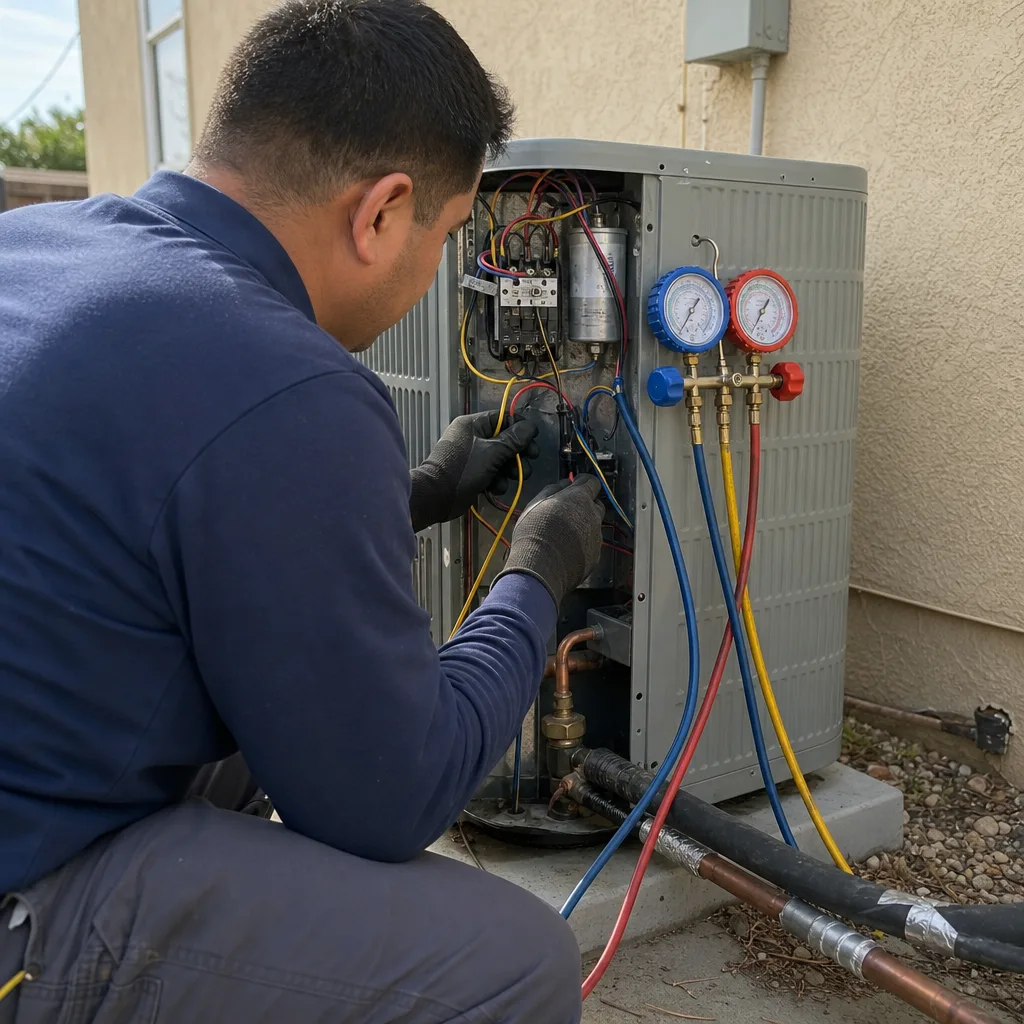
A seasonal AC Maintenance in Ventura visit runs $95 to $180 in 2026, with most established companies in the $120 to $150 range. That’s the price for a legitimate tune-up: a technician who spends 45 to 90 minutes on your system, checks the refrigerant pressures, tests the capacitors, measures the temperature drop across the coil, cleans the condenser, and gives you a written report of what was found. We tell homeowners to be suspicious of $49 tune-ups. A technician at that price is either losing money on the visit, which means they’re hunting for a repair to sell you, or they’re doing a 15-minute drive-by that skips the actual diagnostics.
A real tune-up should include, in writing:
- Refrigerant pressure and superheat/subcooling check: This tells us whether the system is undercharged or overcharged, which affects both efficiency and compressor life.
- Capacitor and contactor testing: These are the two most common electrical failure points on AC units, and they fail gradually. Testing catches them before they strand you on a 95°F day.
- Temperature drop measurement: We measure supply and return temperatures at the grilles. A healthy AC should show a 16-22°F temperature difference. Less than that means a refrigerant or airflow problem.
- Condenser coil cleaning: A coil caked with pollen, dust, and the oily film that Ventura’s sea breeze carries loses 5-15% of its efficiency.
- Drain line clearing: A clogged condensate drain line is the number one cause of water damage claims related to AC systems. We blow the line and confirm flow.
- Written findings report: You should get a list of what was checked, what the readings were, and what (if anything) is starting to fail. If a company won’t give you the numbers, they didn’t take them.
One more thing about tune-ups, and it matters. At Brandt HVAC, our technicians are not paid commission on repairs they find during a maintenance visit. That’s a structural decision, not a marketing slogan. A technician who gets a cut of every repair they sell has a reason to find problems. Our techs get paid to be accurate, and the 365-Day Done Right Promise means a wrong diagnosis costs us a return visit, not you.
Ventura County Permit Fees for HVAC Work
Here’s the blunt truth: any contractor in Ventura who quotes you a full system replacement without a permit line item is almost certainly planning to do the work unpermitted. That’s not a clerical oversight. HVAC Permits, Codes & Inspections in CA: What You Need to Know explains why permits cost money and require inspections, and how skipping them saves the contractor time while making the quote look lower. It also leaves you with an unapproved installation that can bite you when you sell the house, when your insurance company reviews a claim, or when a code enforcement officer notices the new condenser from the street.
Ventura County permit fees for HVAC work in 2026 are based on project valuation, and while the exact fee tables vary slightly between the City of Ventura and unincorporated county areas, here’s what we see in practice:
- Furnace or AC replacement (like-for-like): $120 to $300 in permit fees, plus a $75 to $150 plan review or intake fee.
- Heat pump installation with electrical upgrade: $200 to $500, plus additional electrical permit fees if the panel or service needs work.
- Duct installation (new or significantly modified): $150 to $400.
- AC condenser relocation (moving the unit to a different spot): $150 to $350, because this triggers both mechanical and electrical review.
A legitimate contractor includes the permit fee in the quote, pulls the permit in their name, schedules the inspection, and stands next to you during the inspection if any questions come up. If a quote doesn’t mention permits at all, ask directly: “Is the permit included, and who pulls it?” If the answer is anything other than “yes, included, and we pull it,” walk away. Unpermitted HVAC work on a Ventura home is a liability you carry long after the contractor’s truck leaves your driveway.
Why Coastal-Rated Components Matter in Ventura
Salt air is abrasive. It’s also electrolytically active, which means it accelerates corrosion on aluminum fins, copper coils, and steel fasteners. Any HVAC condenser sitting within a mile or two of the Ventura coast is exposed to salt spray on a regular basis, and the marine layer’s morning fog settles on equipment and holds that salt against the metal for hours. A standard condenser coil that might last 15 years
in Bakersfield can fail in 8 to 10 years a few blocks from the Ventura pier if it’s not protected.
Coastal-rated components address this in three ways:
- Epoxy-coated condenser coils: A polymer coating applied to the aluminum fins and copper tubing that resists salt corrosion. This adds $200 to $400 to the equipment cost.
- Corrosion-resistant cabinet fasteners and base pans: Stainless steel hardware and coated base pans add $50 to $150. The base pan is where standing water accumulates with dissolved salt, and it’s typically the first part to rust through.
- Salt-rated electrical components: Sealed contactors and protected circuit boards add $50 to $100. Salt spray causes arcing on exposed electrical connections, which leads to intermittent failures that are maddening to diagnose.
Take the total: coastal protection adds $200 to $600 to a Ventura installation. That’s the right number to budget. We’ve replaced enough corroded, prematurely dead condensers within sight of the ocean to know that skipping this on a coastal install is a false economy. You save $400 on the install and pay for a $3,500 condenser replacement five years early. Rheem, Bryant, Daikin, and York all offer coastal-rated configurations, and the option shows up as a specific model suffix or add-on in the spec sheet, not as a vague “marine package.” Ask for the specific coating or component name, and confirm it’s on the written estimate.
How to Read a Written HVAC Estimate Line by Line
Most HVAC quotes are written to be unreadable. They bundle everything into “installation and materials” and give you a total with no explanation of what you’re actually buying. A complete, honest estimate in Ventura for 2026 should look more like an invoice from a mechanic than a guess from a carnival barker. Here’s what to look for:
- Equipment line items with model numbers: Not “high-efficiency AC system.” You want “Rheem RA17AZ 3.5 ton 17 SEER2 condenser, model RA17AZ42AJ2NA.” A model number means you can verify the equipment exists, check its efficiency rating, and compare it to the next quote.
- Labor as a separate line: Some contractors refuse to break out labor because they don’t want you to see their margin. You don’t need them to break out their internal cost breakdown, but you do need to know what portion of the price is parts and what portion is labor. This matters for warranty claims: if the equipment fails, the manufacturer covers the part, not the labor to install it. You need to know what the labor replacement cost would be.
- Permit fee listed separately: Covered above. If it’s not there, it’s not being pulled.
- Refrigerant recovery and disposal: EPA Section 608 makes this a legal requirement. A quote without it is a quote from someone who plans to vent refrigerant illegally.
- Startup and testing: Look for language about “startup, commissioning, and system test” or something similar. This means the contractor plans to actually verify the system works before they leave, not just bolted it in and crossed their fingers.
- Warranty terms in writing: Manufacturer parts warranty is one thing (usually 10 years with registration). Labor warranty is another. At Brandt HVAC, every repair includes a written guarantee stating exactly what’s covered and for how long, and under the 365-Day Done Right Promise, if a repair fails within that window, we return at no charge. You deserve the same clarity from whoever you hire.
Vague language like “installation and materials” is hiding something. It’s hiding the model number, the labor rate, the permit fee, or all three. In our experience reviewing competitor quotes for Ventura homeowners, the thinnest estimates are also the ones most likely to result in a surprise invoice at the end. A good rule: if you can’t explain to a friend what each line item on your quote is for, don’t sign it.
The Fixed Price Model vs. Time-and-Materials Billing
There are two ways an HVAC company prices a job. The first is time-and-materials: you pay for the parts at whatever they cost, plus the labor hours at whatever rate the tech’s truck rolls at, and you find out the total when the job is done. The second is a fixed, written price: the contractor looks at the job, figures out the scope, and commits to a number before any work starts. If the job takes longer than expected, the contractor eats the difference. If it goes faster, you still pay the agreed price.
For repair work, time-and-materials is the default in much of the industry, and it’s a terrible deal for homeowners who don’t know how to audit hours. You’re paying for whatever the tech says the job took, with no way to verify it. A fixed price puts the risk on the contractor, where it belongs. Here’s what to ask for:
- “Will you give me a written price before work starts?” If the answer is “it depends on the job,” that means no.
- “Does that price include everything, or will there be additional charges for materials, disposal, or permits?” Get the word “everything” in writing.
- “If the repair fails within your guarantee period, what happens?” The answer should be “we come back at no charge.” At Brandt HVAC, that’s the 365-Day Done Right Promise, and it’s in writing on every repair.
For replacements and installations, fixed pricing is standard practice, but the fixed price should still be itemized. A fixed price with no breakdown is just a time-and-materials estimate wearing a costume. Ask for the model numbers, the permit, the line items, and the warranty in the written quote. A company that’s proud of its work will show you exactly what you’re paying for.
Common Mistakes to Avoid
- Signing a quote without model numbers. “High-efficiency system” tells you nothing. A Bryant 16 SEER2 and a Rheem 20 SEER2 are different machines with different prices, and you deserve to know which one you’re buying.
- Accepting a quote that skips the permit. In Ventura, unpermitted HVAC work follows you. When you sell, when you insure, when you renovate. A contractor who skips permits is transferring their risk onto you.
- Skimping on coastal protection within two miles of the water. Salt air doesn’t care about your budget. An epoxy-coated coil costs $300 more up front and saves you a $3,500 early replacement.
- Choosing a $49 tune-up. That price doesn’t pay for a real inspection. It pays for a sales visit. You’ll get a list of “urgent repairs” regardless of what’s actually wrong.
- Paying time-and-materials for a repair without a cap. If a company won’t commit to a maximum price before starting, the maximum is whatever they decide it is when the invoice comes due.
- Replacing a system without asking about rebates. Heat pump rebates in 2026 are real money, often $2,000 to $5,000 in combined federal and utility incentives. A contractor who doesn’t mention them is either uninformed or doesn’t care about your budget.
- Ignoring the labor warranty when comparing quotes. A 10-year parts warranty is standard from every manufacturer. The labor warranty varies. Ask what happens in year three if the compressor fails and you need 6 hours of labor to replace it.
See the difference
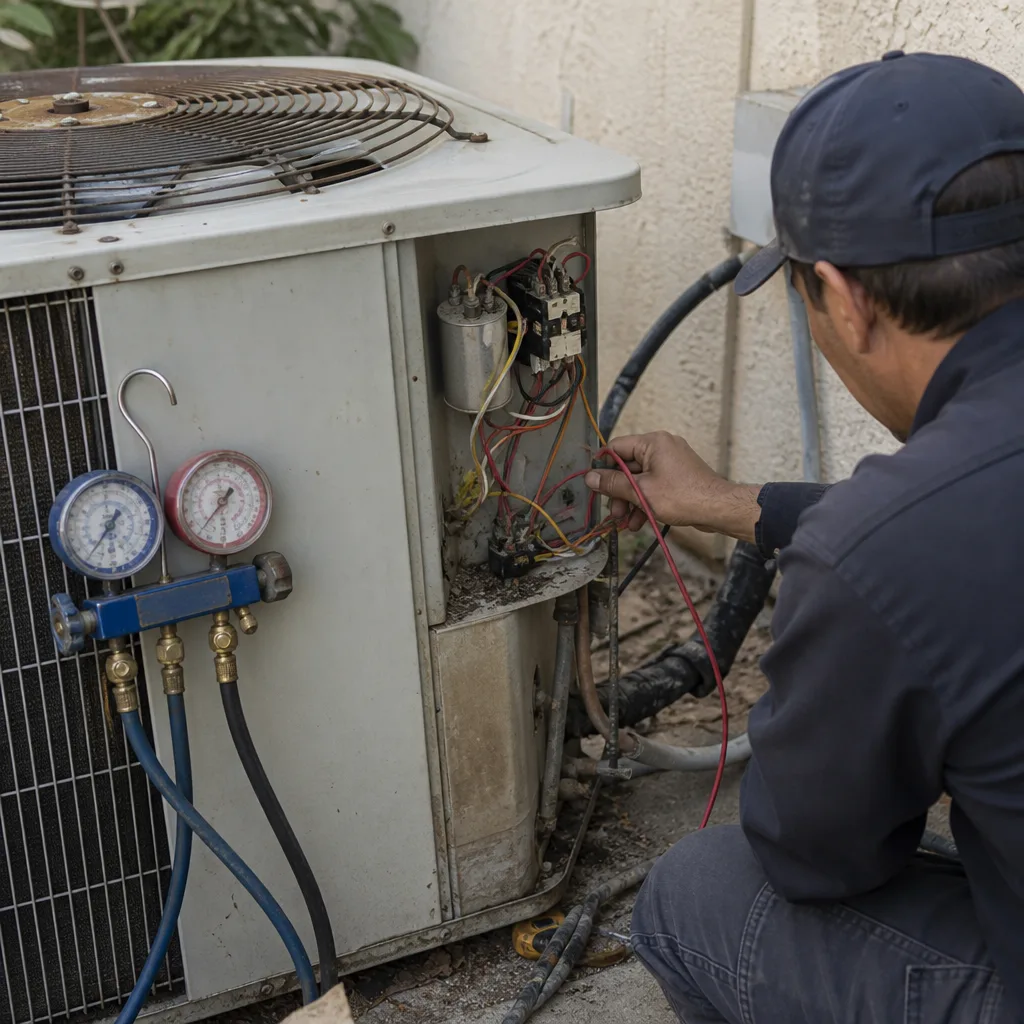 Before
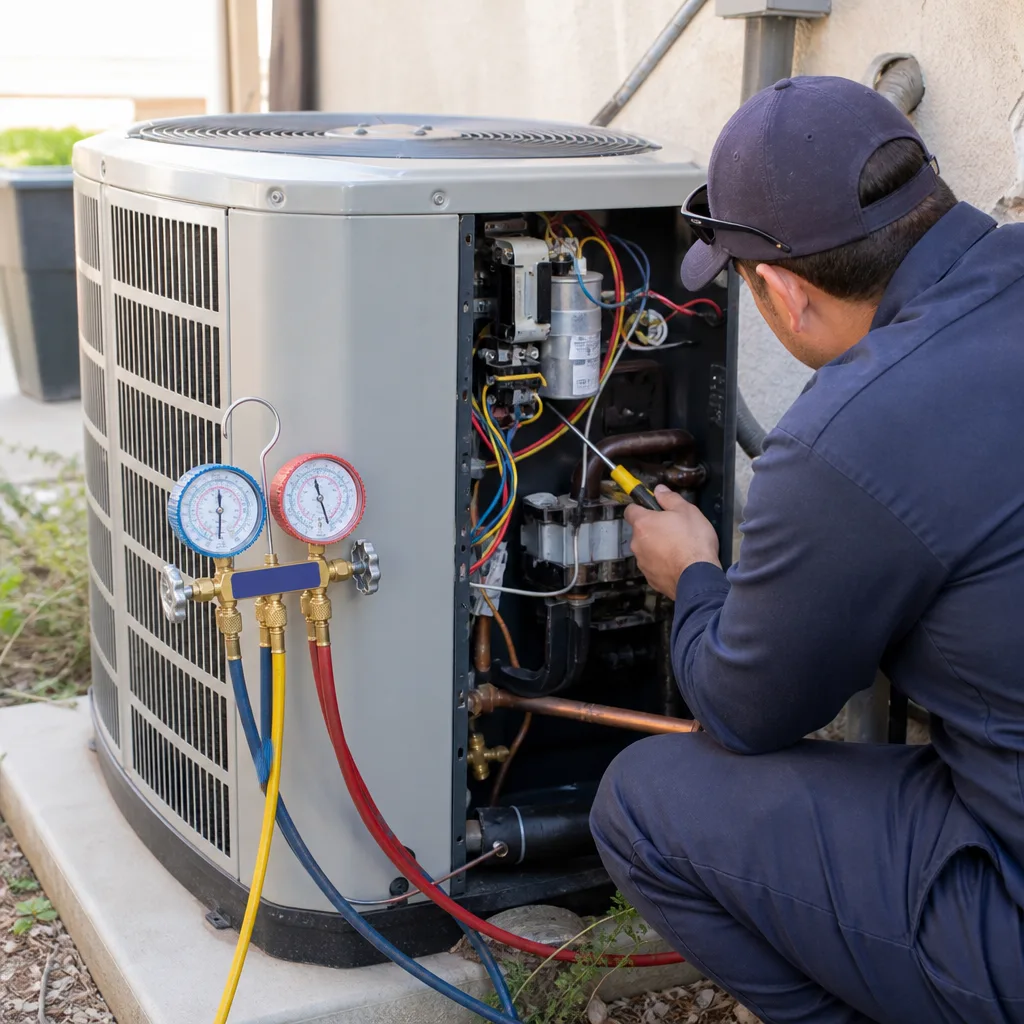 After
After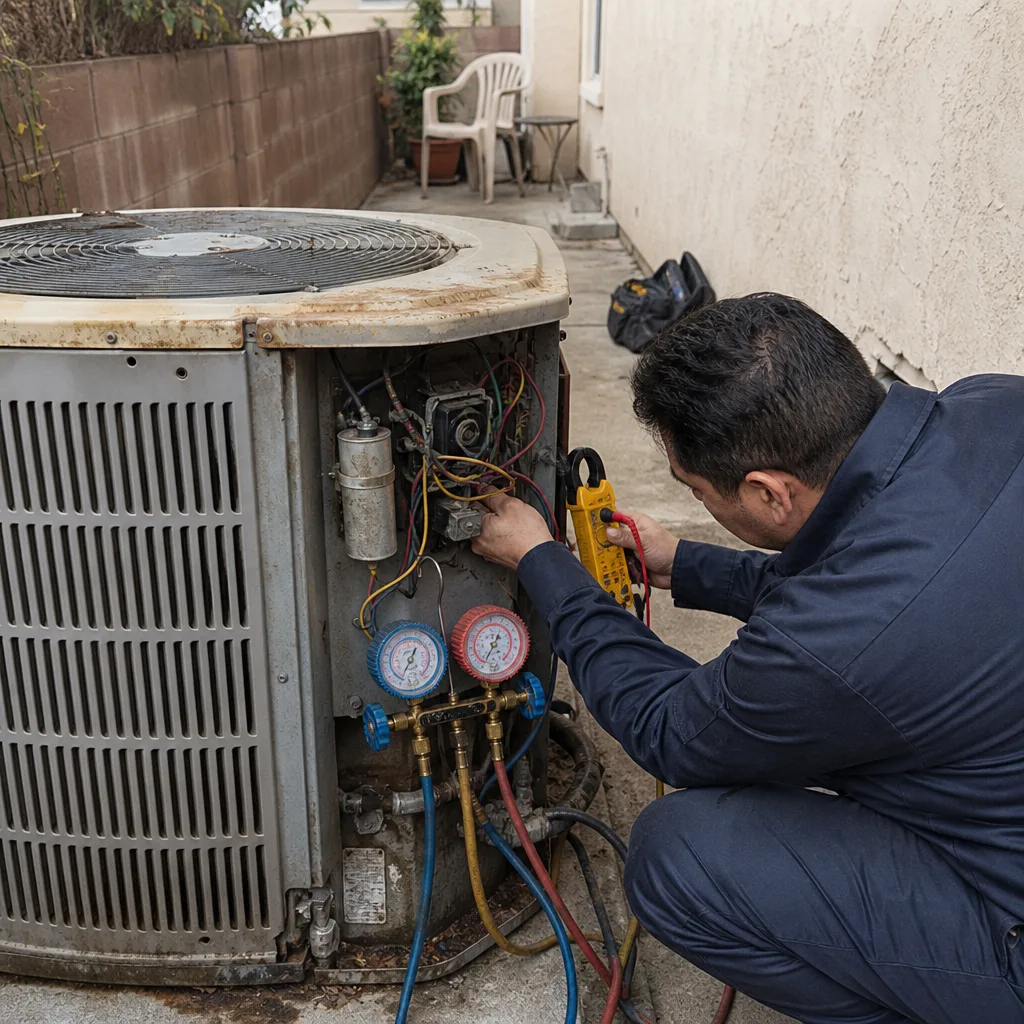 Before
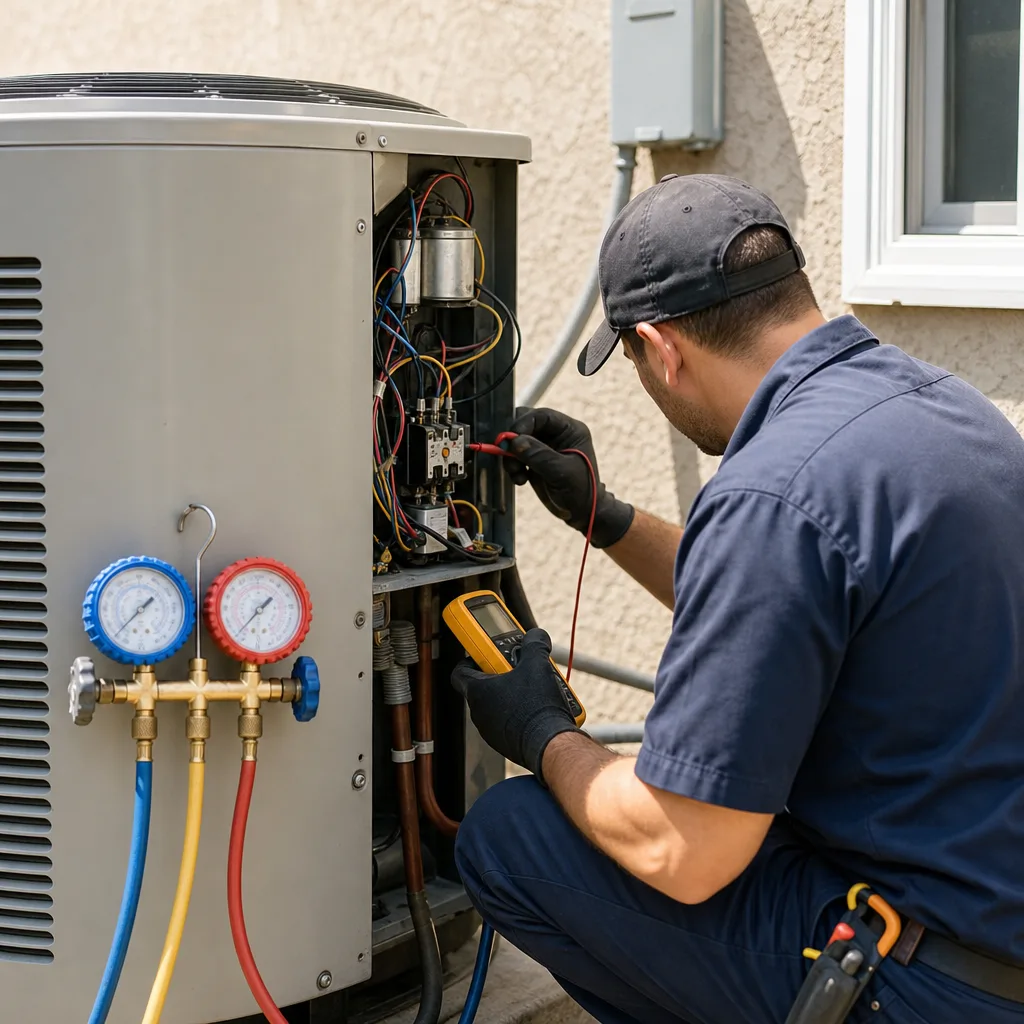 After
After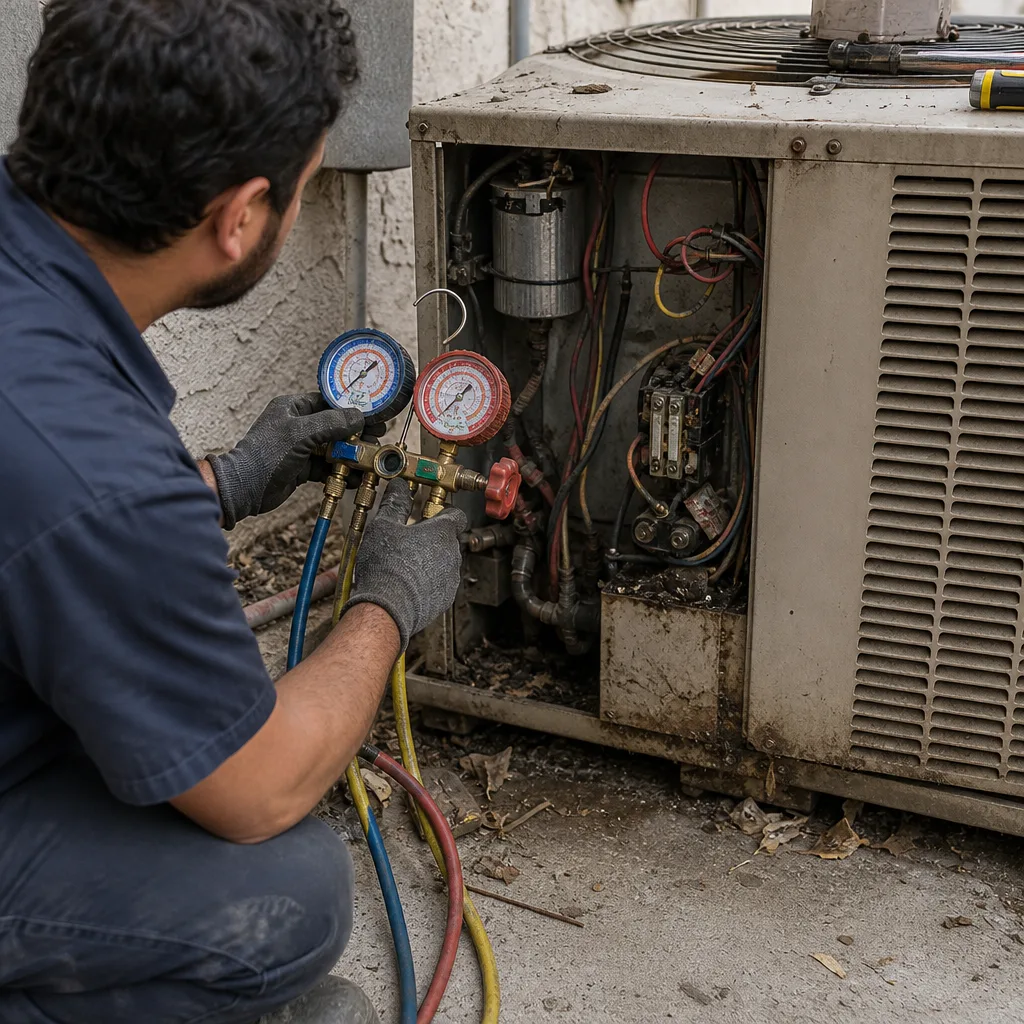 Before
 After
AfterWhen to Call a Professional
Call a professional when your AC stops cooling on a day when the inland temps are pushing triple digits and you can’t open windows because of smoke from a wildfire. If you’re unsure whether your symptoms are serious, our HVAC Warning Signs: A Ventura Homeowner’s Reference Guide can help you decide. Call one when your furnace’s flame is yellow instead of blue, when you smell gas near the furnace, when your heat pump is covered in ice in the middle of July, or when your energy bill spikes 40% without any change in how you use the system. Call one when water is pooling around your indoor unit, when the condenser is making a noise you can feel in your chest, or when your system is over 15 years old and the repair quotes are stacking up. If you’re in the Ventura area, Brandt HVAC Co Ventura offers free estimates, written prices before any work starts, and a live person on the phone 24 hours a day. Call (831) 539-0291 and tell us what’s happening. We’ll give you a straight answer and a price you can hold us to.
Frequently Asked Questions
A reasonable full central AC replacement in Ventura runs $7,800 to $13,500 in 2026 for standard to mid-efficiency equipment, with the median around $9,600. Anything significantly below $7,000 for a full replacement is either cutting corners on permits, skipping coastal-rated components, or using bottom-tier equipment. Call (831) 539-0291 for a free written estimate with every line item spelled out.
In Ventura’s real estate market, a 15-year-old HVAC system doesn’t kill a sale, but it does get factored into the buyer’s negotiation. A new system rarely returns its full cost in sale price, but it can speed up the sale and reduce repair credits. If your system is functional but old, disclose it honestly and price accordingly. If it’s failing, replace the unit before listing, not during escrow when bids come in high and timelines are compressed.
Ventura HVAC prices run 15-25% above inland rates because of three factors: skilled labor costs more in coastal markets, Ventura County permit fees are structured differently and often higher than inland counties, and coastal-rated components like epoxy-coated coils add $200 to $600 per installation. You’re not being overcharged because you live near the coast. You’re paying for equipment and expertise that the coastal environment actually requires.
Yes, and in fact Ventura’s mild coastal climate is near-ideal for heat pumps. The system heats and cools in one unit, and our winter temperatures rarely get low enough to trigger the efficiency losses that heat pumps experience in colder climates. With 2026 federal tax credits of up to $2,000 and utility incentives, the net cost often lands within a few thousand dollars of an AC-only replacement while giving you heating capability without a gas furnace.
Ask the company whether they send you the technician’s name and photo before the visit, and whether the tech will show a photo ID badge at the door. At Brandt HVAC, every technician is background-checked and identity-verified under the Threshold Verified standard, and you’ll know who is coming to your door before they ring the bell. If someone arrives who you weren’t told to expect, don’t let them in. Call the office and verify.
For homes within two miles of the Ventura coast, we recommend an epoxy-coated or otherwise salt-protected condenser coil, corrosion-resistant fasteners, and sealed electrical components as part of your Seasonal HVAC Care for Ventura: Year-Round Homeowner’s Guide. The full coastal package typically adds $200 to $600 to a new installation. Homes five miles or more inland in Ventura generally don’t need the full package, though a basic corrosion-resistant base pan is never a bad investment.
The Bottom Line
Ventura HVAC pricing in 2026 has real structure to it. A full AC replacement runs $7,800 to $13,500, a furnace $4,200 to $7,800, a heat pump $9,500 to $16,000, and coastal protection adds $200 to $600 that you should not skip within sight of salt air. The permit is not optional, the written estimate is not a courtesy, and the fixed price is not a luxury. The name Brandt comes from an old word for a firebrand, and keeping homes warm, and cool, and honest is what we’ve done since 2003. When you’re ready for a quote you can actually read, call (831) 539-0291. A live person answers, day or night, and you’ll get a written price before a single screw is turned.
Written by Devin Marlowe, Owner at Brandt HVAC Co Ventura, serving Ventura since 2003.